

Sharp thorns, gritty soil, and surprise splinters turn a relaxing Saturday in the yard into a trip to the first-aid kit when you’re working without decent protection. The right pair of heavy duty garden gloves turns weeding rose beds, hauling firewood, and clearing brush into work your hands actually shrug off. This guide walks through eight solid options that match different grip styles, thorn loads, and weekend routines, so you can stop choosing between comfort and toughness.
A Snapshot Of The Selections
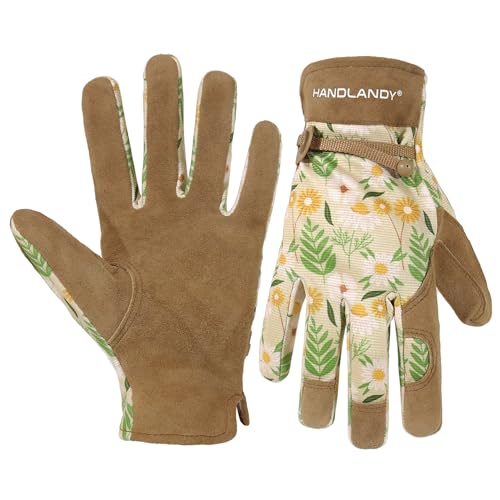
HANDLANDY Gardening Gloves for Women, Leather Garden Glove
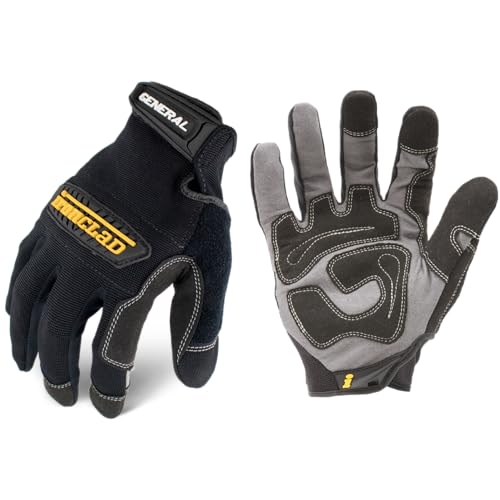
Ironclad General Utility Work Gloves GUG

TitanFlex MicroFoam Nitrile Coated Knit Gloves
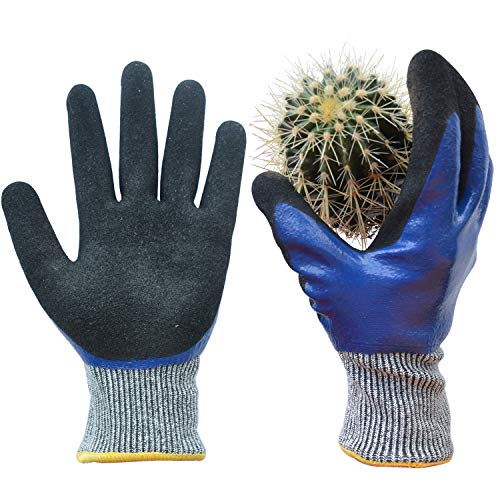
GLOSAV Heavy Duty Nitrile Gardening Gloves, Medium

Gardena Latex Gardening Gloves, 10 Count

BESSTEVEN Thorn Proof Cowhide Gardening Gloves
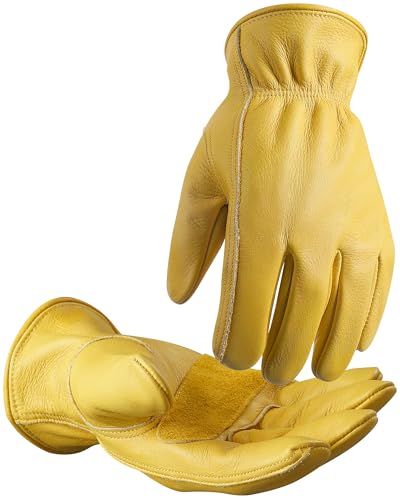
DULFINE Cowhide Leather Gardening Work Gloves

Tavaleu Thorn Proof Leather Gardening Gloves for Women
Inside Each Recommended Option
The HANDLANDY Gardening Gloves for Women lean into a softer silhouette without sacrificing the leather protection most weekend gardeners expect. You pull them on for an afternoon of deadheading and find the fit doesn’t pinch across the knuckles the way unisex gloves often do on narrower hands. Compared to the bulkier Ironclad GUG coming up next, this pair trades raw toughness for a friendlier everyday feel.
For raised beds, container gardening, and light pruning, the leather palms do a respectable job against stems and rough mulch. Owners commonly mention the breathable back panel keeps hands from feeling clammy during an hour of weeding. The cuff sits close enough to keep grit out, yet wide enough to slip on and off without tugging.
Useful Strengths
- Tailored cut suits narrower hands better than most unisex leather gloves
- Real leather palms handle thorns from roses and small brambles
- Breathable back panel keeps sweat in check during long sessions
- Snug wrist cuff blocks debris without slowing you down
- Soft enough for transplanting seedlings without crushing roots
Things To Consider
- Not built for heavy brush clearing or repeated handling of sharp tools
- Leather stiffens if stored damp, so air-drying between uses helps the longevity
Who It Suits Best
Anyone with smaller hands who mostly works beds, borders, and patio containers will appreciate the comfortable fit.
Consider Something Else When
Tackling dense blackberry thickets calls for the GLOSAV Heavy Duty Nitrile Gardening Gloves instead, since their cut-resistant shell shrugs off the worst brambles.
The Ironclad General Utility Work Gloves GUG cross over from toolboxes to garden sheds without missing a beat. You grab them for moving lumber on Saturday and slip them on again Sunday for hauling bags of soil. Unlike the leather-heavy HANDLANDY pair, this glove uses synthetic palm reinforcement to balance grip with dexterity.
The performance-fit pattern keeps the fingers from bunching up, which matters when you’re pulling weeds or working a tape measure. Owners report the machine-washable fabric holds up well across seasons, and the breathable back keeps sweat from pooling on warm afternoons.
Good Reasons To Consider
- Synthetic palm padding handles rough lumber and stone without bulk
- Form-fit fingers stay nimble for weeding, tying, and small tool work
- Toss-in-the-wash construction simplifies muddy cleanup
- Works just as well in the garage as in the garden
Trade Offs
- Thorn protection is thinner than the leather options, so big roses may still get through
- Sizing can run snug, particularly for users at the top of a size range
Made For
Shed-and-yard multitaskers who split time between building projects and weekend garden chores get the most out of this versatile pair.
Skip It When
Rose gardeners who deal with sharp thorns weekly will find the BESSTEVEN Thorn Proof Cowhide Gardening Gloves a safer bet.
The TitanFlex MicroFoam Nitrile Coated Knit Gloves feel less like gardening gear and more like a precision tool. The microfoam nitrile palm coating (a thin, grippy rubber layer over the fingers and palm) grips wet pruners, oily tool handles, and muddy roots with surprising confidence. Reach for these when the work shifts from dry weeding to anything damp or slick.
The seamless knit nylon shell keeps debris from sneaking in at seams, which is a small detail that matters during long pruning sessions. The coating also resists oils and grease, so swapping between an oil change and garden cleanup doesn’t mean swapping gloves. Touch capability on fingertips means you can answer a call without pulling them off every five minutes.
The Value In It
- Microfoam nitrile palm grips wet, oily, and muddy surfaces reliably
- Seamless knit construction blocks dirt at the seams
- Lightweight enough for fine finger work like seeding and transplanting
- Oil and grease resistance handles garage crossover
Worth Noting
- Minimal padding means thorns and sharp twigs reach the skin faster than on leather options
- Snug fit can feel warm during peak summer afternoons
Quick Facts
Best Suited To
Detail-oriented gardeners dealing with damp soil, wet tools, or slippery handles benefit most from the grippy microfoam palm.
Look Elsewhere When
Clearing thick thorny brush is better handled by the GLOSAV Heavy Duty Nitrile Gardening Gloves, whose cut-resistant shell takes abuse these can’t.
The GLOSAV Heavy Duty Nitrile Gardening Gloves earn their spot when the yard turns hostile. The HPPE knit shell (HPPE stands for high-performance polyethylene, a cut-resistant synthetic fiber used in industrial gloves) brings a level of cut resistance you simply don’t get from leather, and the double nitrile dip on the palms seals out punctures from rogue thorns. Compared to the TitanFlex pair, this glove trades featherweight feel for genuine armor.
The water-resistant coating keeps hands drier while hauling wet bags of mulch or working after a rain, and the touch-friendly fingertips let you check plant-identification apps in the field. For thorny hedge work, berry canes, or rough stonework, the protection level justifies the slightly stiffer feel.
What Earns Its Place
- HPPE knit shell shrugs off cuts from sharp stems and edges
- Double nitrile dip adds puncture resistance against thorns and splinters
- Water-resistant coating handles damp conditions without soaking through
- Touchscreen-capable fingertips reduce glove-on, glove-off fumbling
Honest Caveats
- Stiffer than bare-knit options, which slows down fine seeding work
- Bulkier fit may feel loose on smaller hands despite sizing down
Feature Snapshot
The Right Fit
Anyone battling blackberries, rose thickets, or rough demolition-style yard work benefits from the heavy-duty protection here.
Not Your Match When
Light container gardening on a patio calls for the breathable HANDLANDY Gardening Gloves for Women, which won’t overbuild the job.
The Gardena Latex Gardening Gloves show up in a 10-count pack, which flips the usual glove-buying math on its head. Instead of nursing one pair through a season, you toss them when they get ratty and grab a fresh one. For light, repetitive work like pulling weeds, scooping mulch, or tidying beds, that disposability is genuinely useful.
The latex coating over a knit shell grips tools and soil with confidence, and the snug fit gives enough dexterity for transplanting. Owners tend to reach for these as their go-to everyday pair, then keep a tougher glove on hand for the heavy jobs.
Useful Highlights
- Ten-pair bulk pack means a fresh glove is always available
- Latex palm grips tools, soil, and wet pots securely
- Snug knit shell keeps finger control for detail work
- Lower per-pair cost suits routine maintenance
Points To Note
- No serious thorn or cut protection compared to leather and HPPE options
- Latex can trigger sensitivities in some users
Whose Shelf It Belongs On
Anyone who wears out gloves quickly or likes a backup pair in every shed gets the most value from this multipack.
Another Choice May Suit
Garden tasks involving heavy thorn exposure deserve the BESSTEVEN Thorn Proof Cowhide Gardening Gloves instead, where puncture protection matters more than disposability.
The BESSTEVEN Thorn Proof Cowhide Gardening Gloves are what you grab when the roses have declared war. The cowhide build creates a thick barrier that stops thorns from reaching skin, which is the central problem these gloves solve. They run a bit stiff out of the package, but a few sessions of wear soften them into a serviceable fit.
The extended cuff guards wrists against scraping branches, and the leather palms hold up through seasons of pruning, hauling, and clearing. Compared to the lighter HANDLANDY pair earlier, this one focuses on brute protection over soft dexterity.
Standout Benefits
- Cowhide construction resists punctures from thorns and rough bark
- Extended cuff shields wrists from scraping branches
- Durable build handles multi-season yard work
- Works for both men and women with unisex sizing
Room For Improvement
- Stiff at first and needs a break-in period to feel natural
- Less breathable than knit-backed gloves in summer heat
Perfect Match For
Rose gardeners, berry-cane clearers, and anyone working around holly or bougainvillea will rely on these weekly.
A Better Fit Elsewhere
For lighter everyday tasks where breathability matters more, the HANDLANDY Gardening Gloves for Women wear cooler through long afternoons.
The DULFINE Cowhide Leather Gardening Work Gloves bring a thoughtful construction to a category that often defaults to raw leather slabs. The keystone thumb (a stitched, angled thumb design that mirrors natural thumb anatomy for better grip and flexibility) makes a real difference when you’re gripping pruners or a shovel for hours, reducing the bunching and hot spots you get with cheaper patterns. You feel it most during extended tool sessions.
The reinforced palm boosts grip on wet handles, and the elastic wrist keeps debris from dropping into the glove during ground-level work. Real cowhide ages into a personalized fit over time, which is part of the appeal for regular gardeners.
Key Advantages
- Keystone thumb improves grip and reduces hand fatigue over long sessions
- Reinforced palm handles wet tools without slipping
- Elastic wrist seals out dirt and small debris
- Real cowhide softens and conforms with use
Small Caveats
- Pricier than basic leather gloves, so the upgrade makes more sense for frequent gardeners
- Leather requires occasional conditioning to stay supple long-term
Technical Highlights
Who Will Love This
Regular gardeners who log long sessions with pruners, loppers, or shovels appreciate the ergonomic thumb design most.
Reach For A Different Pick When
Casual weekend gardeners on tighter budgets will get by fine with the Gardena Latex Gardening Gloves multipack instead.
The Tavaleu Thorn Proof Leather Gardening Gloves for Women fill a niche that unisex leather gloves often miss: serious puncture protection in a fit that suits narrower hands. The leather build takes on rose thorns, berry canes, and stubborn pruning without the glove turning into a loose, floppy mess at the fingertips. Compared to the BESSTEVEN pair, this one feels closer to the HANDLANDY fit while adding thicker palm coverage.
The puncture-resistant panel on the palm and fingers handles the messy middle ground between light weeding and full thorn warfare. You reach for these when the task list includes roses, holly, or any plant that punishes bare hands.
The Helpful Details
- Thorn-proof leather shields palms and fingers during rose and bramble work
- Women’s sizing avoids the bunching common in unisex leather gloves
- Puncture-resistant panel covers high-contact zones
- Sturdy enough for heavier tasks like hauling brush or pruning thick stems
Factors To Consider
- Heavier than knit or latex gloves, which may feel warm in peak summer
- Leather care, including air-drying and light conditioning, keeps the material flexible over time
Who Should Grab It
Gardeners with smaller hands who face real thorn exposure get the protection they need without an oversized fit.
Where A Sibling Pick Shines
For lighter everyday maintenance where breathability is the priority, the HANDLANDY Gardening Gloves for Women wear cooler through long afternoons.
What Matters Most Before Choosing Heavy Duty Garden Gloves
Match The Glove To The Threat
Different gardens punish hands in different ways. A flat suburban lawn demands almost nothing, while a thorn-choked rural property demands real leather or HPPE protection. Start by listing the worst thing you expect to handle. Roses, holly, and berry canes call for cowhide or equivalent puncture-resistant layers. Wet soil, oily tools, and slick handles favor nitrile-coated knits. Mixed workshop and yard work points toward reinforced synthetic palms like the Ironclad GUG. Choosing by threat first beats choosing by look every time.
Balance Dexterity With Protection
Thicker gloves protect better but slow your fingers. Lighter gloves feel nimble but let thorns and splinters reach skin. The honest read is that no single glove does both perfectly, which is why many gardeners keep two pairs: one for fine work and one for heavy clearing. For most people, a mid-weight option handles 80% of weekend tasks without compromise.
Check The Fit And The Cuff
A glove that fits poorly either bunches at the fingertips or cuts off circulation at the wrist. Women’s-specific cuts matter if your hands run narrow, while unisex sizing works fine for most men. Cuff height matters more than people expect: longer cuffs protect wrists from scrapes, while elastic wrists keep debris from migrating inside during ground-level work.
Material Care And Longevity
Leather outlasts synthetics but needs air-drying and the occasional conditioning to stay supple. Nitrile and latex-coated gloves clean up easily under a hose but degrade faster when stored damp. Buying cheap disposable pairs in bulk works for short sessions; investing in quality leather or reinforced knits pays off across seasons. Match the maintenance effort to how often you actually garden.
Key Considerations Across These Picks
Pitfalls Shoppers Hit
A common trap is buying the thickest leather glove on the shelf and expecting it to handle delicate tasks like seeding and transplanting. Heavy gloves fatigue hands during fine work, so people end up taking them off and losing the protection entirely. Another mistake is ignoring fit. Oversized gloves cause blisters where the material bunches, and tight gloves cut off circulation during long sessions. Try to match glove weight to actual job intensity, and test the fit by making a fist before committing.
What The Higher Tier Buys
Premium gloves earn their place through construction details rather than raw material. The DULFINE pair’s keystone thumb and the GLOSAV pair’s HPPE shell both address specific failure points, like thumb fatigue and cut exposure, that budget gloves ignore. You pay for stitching patterns, reinforced panels, and better leather grading. For gardeners who log real hours each week, those upgrades translate into less hand soreness and fewer replacements, which offsets the higher cost over a season or two.
Frequently Asked Questions
What makes gardening gloves “heavy duty”?
Heavy duty garden gloves typically use thicker leather, reinforced palm panels, or cut-resistant knit shells to handle thorns, sharp tools, and rough materials. The protection level goes well beyond thin cotton or basic latex coatings.
Are leather or nitrile gloves better for gardening?
Leather handles thorns and abrasion better, while nitrile grips wet and oily surfaces more reliably. Many gardeners keep both styles available and switch based on the task at hand.
How should heavy duty garden gloves fit?
The glove should fit snugly without restricting finger movement, with fingertips reaching the end of the glove but not pressing against it. A proper cuff seal keeps debris from working inside during ground-level work.
Can I wash heavy duty garden gloves?
Latex and nitrile-coated knits usually rinse clean under a hose or go in a washing machine. Leather gloves need air-drying away from direct heat and benefit from occasional leather conditioning to stay supple.
How long do heavy duty garden gloves last?
Lifespan depends on use intensity and material care. Leather pairs often last several seasons with proper drying, while nitrile-coated knits typically wear through faster on abrasive tasks like stonework or heavy brush clearing.
Closing Remarks
The right heavy duty garden gloves come down to the work you actually do, the plants that push back hardest, and how a glove feels during a long afternoon. Match the glove to the threat, pay attention to fit, and don’t hesitate to keep two pairs around for different jobs. Your hands will thank you by the end of the season.
