

Crabgrass laughs at neglect. By midsummer, a single missed weekend of mowing turns tidy turf into a coarse, sprawling mat, and the roots it drops keep coming back thicker the next year. Picking the right herbicide turns that losing streak around, and the eight options below cover the main paths homeowners actually take: selective sprays that spare your lawn, total-kill concentrates for driveways and beds, and granular preventers you spread before seeds wake up.
The Picks In Brief
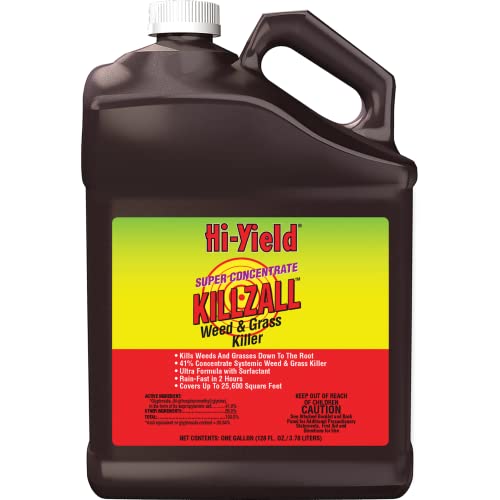
Hi-Yield Killzall Super Concentrate Weed & Grass Killer 1 gal

Spectracide Weed Stop For Lawns Plus Crabgrass Killer Concentrate 32 oz
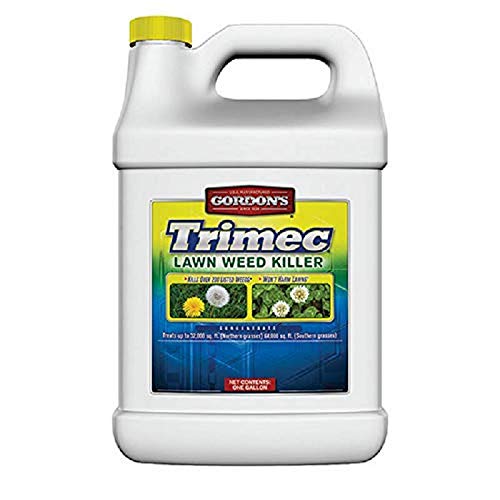
PBI/GORDON Trimec Lawn Weed Killer One Gallon
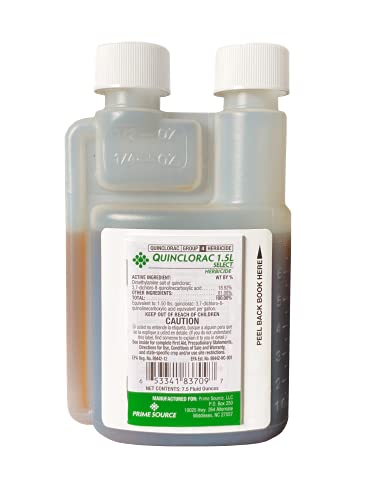
Primesource Quinclorac 1.5 Select Liquid Crabgrass Killer 7.5 oz

Roundup for Lawns Crabgrass Destroyer2 64 fl. oz.

Ortho Grass B Gon Garden Grass Killer Ready-to-Use 24 oz 2 Pack

Preen Lawn Crabgrass Control 15 lb. Bag 5000 sq ft

GORDON’S Trimec Plus Crabgrass Killer Concentrate 1 Quart
A Deeper Look At The Lineup
The Hi-Yield Killzall jug is the blunt instrument in this lineup, and that is exactly why some homeowners keep it on the shelf. You reach for it where no grass is supposed to grow at all: gravel driveways, fence rows, the cracked strip between sidewalk and curb, freshly cleared lots. The double-surfactant blend helps the active ingredient stick to waxy leaves and start working quickly, which matters when a summer storm is rolling in.
Coverage is generous, and the gallon format keeps the cost per square foot low for big jobs. It is not a product for a healthy lawn, so treat it as the cleanup crew after you have pulled a garden bed or stripped a patio edge. If crabgrass is creeping into thin turf, look at one of the selective picks below instead.
Strong Points
- One gallon treats up to 25,600 square feet, enough for most suburban lots and then some.
- Works on grasses, broadleaf weeds, and woody brush, so one jug covers multiple cleanup tasks.
- Surfactant-rich formula helps the spray cling to leaves in humid or breezy conditions.
- Concentrate format lets you dial dilution up for stubborn patches or down for routine work.
Things To Weigh Up
- The label warns against lawn use, so even a slight drift will yellow your turf.
- Storage space matters: a full gallon jug takes up real shelf room in a garage.
- Mixing requires a dedicated sprayer; cross-use with food or garden sprayers risks residue issues.
Who It Suits Best
Homeowners reclaiming neglected driveways, fence lines, or bare-soil beds where crabgrass has free rein.
Skip It When
Your goal is rescuing a thin but living lawn, since the Spectracide Weed Stop For Lawns Plus Crabgrass Killer Concentrate is built for that job.
This concentrate takes a different stance than the Killzall jug. It is selective, meaning it aims at crabgrass and common broadleaf weeds while leaving cool-season turfgrass alone. For a homeowner staring at a Kentucky bluegrass or fescue lawn dotted with crabgrass patches, that is the trade-off that matters. You spray the weeds, not the whole yard, and the good grass keeps filling in.
The 32-ounce bottle handles medium-sized lawns, and the mix rate is straightforward enough that you do not need a chemistry background to use it. Just plan a calm morning for application so spray drift stays where you want it. For homeowners with a mixed-cool-season lawn, it is the everyday tool most people reach for first.
What Helps Most
- Selective formula targets crabgrass and broadleaf weeds while sparing listed turf types.
- Concentrate form lets a single bottle stretch across multiple treatments in a season.
- Straightforward mixing ratio keeps application approachable for first-time users.
- Often available in multi-pack bundles, which helps households with repeat summer treatments.
Trade Offs
- Coverage and effectiveness drop if temperatures spike or the lawn is drought-stressed at application time.
- Label limits apply to specific turf species, so warm-season lawns may need a different pick.
- Concentrate requires a clean sprayer and accurate measuring for consistent results.
Made For
Cool-season lawn owners who want to spot-treat crabgrass without reseeding bare spots afterward.
Look Elsewhere When
You want a stronger broadleaf sweep on a larger property, in which case the PBI/GORDON Trimec Lawn Weed Killer One Gallon offers more horsepower.
The Trimec name has shown up on golf courses and professional turf rigs for decades, and the consumer gallon keeps that heritage intact. It is engineered for cool-season grasses, and it goes after a long list of broadleaf weeds that homeowners quietly battle, from dandelion and clover to plantain and chickweed. Crabgrass is not its primary target, so pair it with a dedicated post-emergent if that is your headline problem.
One gallon covers a wide area depending on dilution, which makes it appealing to anyone tending a half-acre or larger lawn. The trade-off is that mixing requires care, and overspray onto flower beds can scorch ornamentals fast. For prosumer homeowners who already own a pump sprayer, this is a familiar workhorse.
Where It Excels
- Targets 250-plus broadleaf weed species on the label, so it handles mixed infestations.
- Cool-season turf compatibility covers Kentucky bluegrass, perennial rye, fescue, and Bermuda.
- Concentrate pricing helps larger lots stretch a single purchase across several treatments.
- Trusted brand among lawn-care pros who want predictable results on stubborn weeds.
Points To Note
- Crabgrass is not its main target; pair with a quinclorac-based product for full coverage.
- Multiple-pack shipments mean planning storage ahead of delivery.
- Mixing accuracy matters more with concentrate than with a ready-to-spray bottle.
The Right Fit
Half-acre-plus lawns in cool-season regions where broadleaf pressure rivals any crabgrass concern.
Where Another Pick Suits Better
If crabgrass is the dominant pest and broadleaves are secondary, the Primesource Quinclorac 1.5 Select Liquid Crabgrass Killer targets that problem more directly.
Quinclorac is the active ingredient most lawn-care guides recommend when crabgrass gets bold, and this Primesource bottle delivers that chemistry in a small, focused package. Quinclorac is a synthetic auxin, meaning it mimics a plant growth hormone and disrupts the weed’s internal signals until it collapses. The 7.5-ounce size is small but concentrated, so a little goes a long way.
The trade-off is precision: this product works well when applied at the right growth stage, and timing matters more than with broader-spectrum mixes. Apply too early or on drought-stressed turf and results soften. For homeowners comfortable reading a label closely, it is one of the more surgical tools in the crabgrass toolkit.
Advantages To Know
- Quinclorac at 18.92 percent, a concentration favored by turf professionals.
- Works across many residential and non-residential turf types.
- Small bottle is easy to store and inexpensive to ship.
- Can be used before seeding and shortly after emergence on labeled species.
Worth Noting
- Requires accurate dilution to avoid turf damage or weak results.
- Timing within the crabgrass growth window matters; late applications underperform.
- Small format means multiple bottles for larger lots.
Who Will Love This
Detail-oriented homeowners with patchy crabgrass in otherwise healthy turf who want a quinclorac-based fix.
Swap It Out When
You want a broader grassy-weed sweep that also covers foxtail and goosegrass, in which case the Roundup for Lawns Crabgrass Destroyer2 expands the target list.
The Roundup for Lawns Crabgrass Destroyer2 stands out for tackling a wider cast of grassy weeds in one jug. Crabgrass is the headliner, but barnyardgrass, foxtail, goosegrass, johnsongrass, and panicum all show up on the label. For lawns where crabgrass is the symptom rather than the only problem, that broader coverage saves you from buying two separate products.
The 64-ounce format is mid-sized, easy for a backpack or pump sprayer, and the timing window stretches before and after germination on listed turf. That flexibility helps homeowners who missed the early spring pre-emergent window. You still want a calm day and protective gloves, but the routine is familiar to anyone who has used selective herbicides before.
A Favorable Mix
- Targets crabgrass plus a long list of related grassy weeds.
- Can be applied before seeding, including the day of seeding on labeled turf.
- Bottle size suits medium lawns without the bulk of a full gallon.
- Selective chemistry spares listed lawn grasses when applied correctly.
Possible Compromises
- Effectiveness varies with weather and weed maturity, so timing still matters.
- Concentrate requires clean measuring and a dedicated sprayer for best results.
- Some users report slower visual results than contact-kill products.
Best Suited To
Homeowners with mixed grassy-weed pressure beyond plain crabgrass, especially on listed turf species.
Not Your Match When
You prefer an instant grab-and-spray bottle with no mixing; the Ortho Grass B Gon Garden Grass Killer Ready-to-Use fits that routine better.
The Ortho Grass B Gon bottle is the lazy-Sunday option of the lineup. You twist the sprayer nozzle, aim, and squeeze the trigger: no measuring, no mixing, no leftover concentrate. It targets crabgrass along with tall fescue, Bermuda, and Kentucky bluegrass that have wandered into places they should not be, and the formula is designed to leave listed landscape plants alone.
For flower beds, shrub borders, and ground-cover edges, that convenience is worth the per-ounce premium. The two-pack format gives you a backup bottle ready when the first one runs dry mid-season. The catch is that treating a full lawn this way gets expensive fast, so most people keep it as a surgical tool rather than a primary weapon.
Useful Strengths
- Ready-to-spray trigger eliminates measuring and mixing steps.
- Targets grassy weeds including crabgrass while sparing listed landscape plants.
- Rainfast within an hour after application on the label.
- Two-pack offers a spare bottle for later-season touch-ups.
Soft Spots
- Per-ounce cost runs higher than concentrates for large areas.
- Trigger sprayers can fatigue during long sessions on big beds.
- Coverage depends on thorough wetting of each weed’s foliage.
Right Fit For
Homeowners treating crabgrass around shrubs, ground covers, and flower beds where precision matters more than volume.
Reach For A Different Pick When
You want a granular pre-emergent applied once and forgotten about until fall, in which case the Preen Lawn Crabgrass Control fits the plan.
Preen shifts the strategy from reactive to preventive. This 15-pound bag is granular, applied with a broadcast spreader, and designed to stop crabgrass before its seeds germinate. A pre-emergent herbicide forms a thin chemical barrier in the topsoil, and crabgrass seedlings die as they push through it. Apply it in early spring, before soil temperatures climb into the active range, and the season-long effect takes shape.
Coverage reaches 5,000 square feet per bag, so a typical suburban lawn is one purchase. The wider window is the real selling point, since the label allows application up to four weeks after crabgrass emerges for seedling control. That grace period forgives the homeowner who runs a week behind schedule.
Standout Benefits
- Granular format spreads easily with a standard broadcast spreader.
- One bag covers up to 5,000 square feet.
- Provides pre-emergent control with a short post-emergent window for young crabgrass.
- Reduces the need for repeat sprays through summer.
A Few Limitations
- Spreader calibration and even application matter more than with spray bottles.
- Established crabgrass plants may need a follow-up post-emergent product.
- Storage in a dry spot is essential; granules clump in humid sheds.
Perfect Match For
Homeowners committed to early-spring lawn prep who want one application to anchor the season.
Where A Sibling Pick Shines
For mid-summer crabgrass already visible in the lawn, the GORDON’S Trimec Plus Crabgrass Killer Concentrate handles established plants.
The Trimec Plus quart is the hybrid of the group. It blends a 3-way herbicide mix designed to control emerged crabgrass, foxtail, and signalgrass alongside more than 200 broadleaf weeds like dandelions and plantain. Homeowners who stare at a lawn fighting two wars at once, crabgrass on one patch, dandelions on another, can reach for a single bottle instead of juggling two.
It is a concentrate, so mixing discipline still applies, but a quart is friendlier to store than a full gallon and easy to share with a neighbor. The chemistry leans on cool-season turf compatibility, so confirm the label covers your grass type before committing. For combined weed outbreaks, that versatility earns its place in the shed.
Strengths Worth Knowing
- Targets emerged crabgrass and foxtail alongside broadleaf weeds in one pass.
- Three-way blend reduces the need to stack multiple herbicides.
- Quart size is manageable for homeowners without a full storage shelf.
- Concentrate format keeps the per-application cost reasonable.
Honest Caveats
- Concentrate mixing adds steps compared with ready-to-spray options.
- Warm-season turf compatibility may be limited; always check the label.
- Results vary with weather and weed maturity, so timing still matters.
Who Should Grab It
Homeowners with crabgrass and broadleaf weeds showing up in the same lawn who want a single mixed product.
Skip It When
Your only target is broadleaf weeds without any grassy invaders, since the PBI/GORDON Trimec Lawn Weed Killer One Gallon covers that with more capacity.
What To Weigh Before Choosing A Crabgrass Product
Start with where the crabgrass is growing. Driveways, fence lines, and bare-soil beds call for a non-selective product like the Hi-Yield Killzall, since no desirable grass is at risk. Lawns need a selective herbicide, meaning a product that kills crabgrass while leaving your turf intact. Reading the label for listed turf species is non-negotiable, since a selective product that does not list your grass type can scorch it within days.
Timing shapes results more than most shoppers expect. Pre-emergent herbicides like Preen Lawn Crabgrass Control work only before seeds germinate, so an early-spring application is the difference between prevention and disappointment. Post-emergent selective herbicides perform best on young, actively growing crabgrass. Drought-stressed or mature plants resist treatment, and spraying during the hottest part of the day often wastes product.
Concentration versus convenience matters for routine use. Concentrates stretch further per dollar and let you tune dilution for spot work or full-lawn passes, but they require a dedicated sprayer and careful measuring. Ready-to-spray bottles cost more per ounce but eliminate mixing and cleanup, which suits smaller jobs around ornamentals. Most homeowners end up keeping one of each: a concentrate for the lawn, a ready-to-spray for the beds.
Reading Herbicide Labels With Confidence
Every herbicide label includes a list of controlled weeds, a list of tolerant turfgrass species, and a reentry interval. Cross-check all three before any purchase. The controlled-weeds list confirms whether crabgrass is covered or whether the product handles only broadleaf weeds. The tolerant-turfgrass list tells you whether your lawn survives an application. The reentry interval tells you when pets and kids can safely walk on treated grass, and ignoring it is a common, avoidable mistake.
Spray Equipment Basics
A pump sprayer with a fan nozzle handles most home-lawn jobs, and a backpack sprayer speeds up anything over a quarter acre. Calibrate output by spraying plain water across a measured square to estimate coverage before mixing chemistry. Rinse sprayers thoroughly after each use, and never store herbicide concentrate in a sprayer you also use for fertilizer or pest control on edibles.
Key Considerations Across These Picks
Mistakes Worth Dodging
Mixing selective and non-selective intentions is the most common crabgrass slip-up. Spraying a total-kill product like Killzall across a living lawn because crabgrass is widespread usually kills everything you wanted to keep. Read the front of the label for the words “lawn-safe” or “selective” before any purchase, and confirm your grass type is listed.
Skipping pre-emergent timing costs a full season of control. Preen and similar products work only before crabgrass germinates, so a May application in a cold climate can land before soil temperatures trigger seed activity. Track soil temperatures through a local extension service or weather station rather than guessing by the calendar. Waiting until crabgrass is already visible turns a one-bag fix into a multi-product campaign.
Why Top Tier Costs More
Higher-tier crabgrass products earn their price through broader weed coverage, longer residual control, or both. The GORDON’S Trimec Plus quart, for example, combines grassy-weed and broadleaf control in one jug, which a budget single-target product cannot match. Concentrates with higher active-ingredient percentages stretch further per square foot, so the per-application cost often lands lower even when the sticker is higher.
Premium pricing also reflects manufacturing standards and label accuracy, which matters for both effectiveness and safety. A cheaper product with vague labeling can leave you guessing about turf compatibility, while a well-documented label removes that risk. For homeowners treating larger areas or sensitive turf, the upgrade often pays back through fewer re-treatments and a cleaner result.
Frequently Asked Questions
When is the right time to apply crabgrass herbicide?
Apply pre-emergent products in early spring before soil temperatures reach the germination threshold, typically when daytime temperatures stay above 55 degrees Fahrenheit for several days. Post-emergent selective sprays work best on young crabgrass plants in early summer before they mature and harden off.
Can I use crabgrass herbicide on a newly seeded lawn?
Most selective herbicides require established turf with several mowings before application. The Roundup for Lawns Crabgrass Destroyer2 label permits application the day of seeding on listed turf, but most other products require waiting until seedlings are well rooted.
How long should pets and kids stay off treated grass?
Reentry intervals vary by product, but a common guideline is to keep people and pets off treated areas until spray has dried thoroughly, often within a few hours. Granular products like Preen may require watering in before reentry, so always follow the specific label directions.
What happens if it rains shortly after I spray?
Light rain after most products dry is fine, and many labels note rainfastness within one to several hours. Heavy rain shortly after application can wash product off foliage before it absorbs, reducing effectiveness. If storms are forecast within hours, delay application until a calmer window.
Will crabgrass come back next year if I treat it once?
A single season of treatment rarely solves a multi-year seed bank. Crabgrass seeds remain viable in soil for several years, so plan a two-to-three-year strategy combining pre-emergent barriers with post-emergent spot treatments to steadily reduce the population.
Bottom Line
Crabgrass control works best when the herbicide matches the location and the timing. Driveways and beds need total-kill products, lawns need selective chemistry, and the cleanest results come from pairing spring pre-emergent with summer post-emergent spot treatments. Pick the product that fits your grass type and the stage your lawn is in right now, and the rest of the season gets a lot easier.
