

Fescue lawns look fantastic when they dominate a yard, but the moment broadleaf intruders creep in, that uniform green fades fast. Anyone managing a cool-season lawn has wrestled with dandelions, wild violet, or stubborn nutsedge at some point. Picking the right herbicide matters because fescue tolerates selective formulas well, while the wrong active ingredient can scorch tender blades. The eight options below cover spot treatments, broadleaf control, sedge targeting, and crabgrass knockdown, each with a clear fit.
A Closer Look At The Lineup
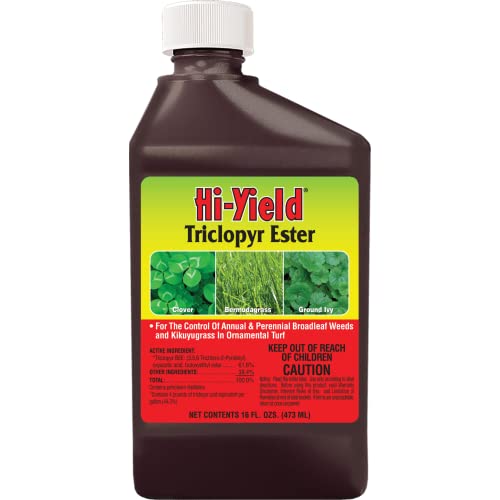
Hi-Yield (35262) Triclopyr Ester, 16 oz
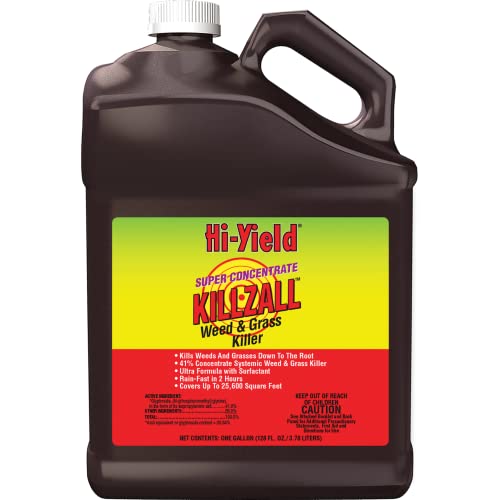
Hi-Yield (33693) Super Concentrate Killzall Weed & Grass Killer, 1 gal
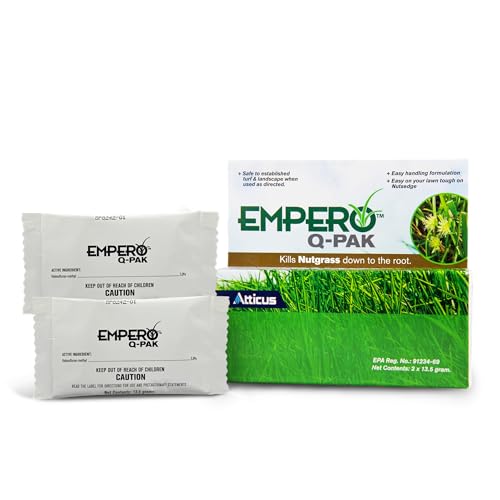
Atticus Empero Q-Pak Nutsedge Killer (2 Pack) Turf Herbicide

Ortho WeedClear Lawn Weed Killer Ready-to-Use1 with Comfort Wand, 1 gal.

Roundup for Lawns2 Concentrate, 32 fl. oz.

Roundup for Lawns Crabgrass Destroyer2, 64 fl. oz.

SpeedZone EW Lawn Weed Killer

Image Herbicide Weed Killer for Southern Lawns, 32 Oz
The Strengths Of Each Pick
Triclopyr ester is the active ingredient homeowners reach for when the usual broadleaf sprays leave wild violet and oxalis untouched. This 16 ounce liquid concentrate from Hi-Yield targets those stubborn perennial offenders specifically, which makes it a worthwhile sidekick for anyone fighting weeds that laugh at generic formulas.
It plays nicely with tall fescue, perennial ryegrass, and bluegrass lawns, so you can spray with confidence across a typical cool-season yard. The same bottle also works as a bluegrass suppressor for those renovating mixed turf. Unlike the total vegetation killer covered later in this list, this one is meant to stay on the lawn, not along fence lines.
Strong Points
- Targets oxalis and wild violet, two weeds that shrug off most general broadleaf sprays
- Labeled for tall fescue, perennial ryegrass, and bluegrass ornamental turf
- Doubles as a bluegrass suppressor during turf conversion projects
- Liquid concentrate form lets you dial the rate for spot work or broadcast application
- Compact 16 ounce bottle stores easily in a garage or shed between treatments
Things To Consider
- Carries a long list of grasses to avoid, including Bermuda, St. Augustine, and Zoysia
- Spot coverage only, so larger weed infestations require more product per application
Who It Suits Best
Homeowners with cool-season lawns who spot-treat persistent violets and oxalis patches without wanting to renovate their whole yard.
Skip It When
Your lawn runs warm-season grasses, in which case the Image Herbicide Weed Killer for Southern Lawns reviewed below is a far safer match.
Killzall lives in a different lane from the rest of this list: it kills everything green, fescue included. That sounds harsh, but it’s exactly what you want when weeds have taken over a driveway strip, fence row, or bare patch you plan to reseed later.
The double-surfactant formulation is designed to spread across leaf surfaces and dry fast so uptake happens quickly. One gallon treats a sizable area, which makes it a practical choice for acreage prep or hardscape maintenance where you don’t want anything growing back for a while.
Real Benefits
- Covers broadleaf weeds, grasses, and woody brush in one pass
- Single gallon handles up to 25,600 square feet, useful for large cleanup jobs
- Fast-drying surfactant blend speeds visible results
- Ideal for hardscape edges, gravel drives, and pre-renovation clearing
Worth Noting
- Cannot be used on lawns, so accidental overspray will damage desirable turf
- Mixing ratios vary by target species, so reading the label closely pays off
- A one gallon jug is heavier to haul than smaller concentrates
Made For
Property owners clearing weeds from driveways, patios, or bare soil ahead of reseeding rather than spraying established fescue.
Look Elsewhere When
You need selective fescue-safe control, in which case the Roundup for Lawns2 Concentrate covered further down is a better tool for the job.
Yellow nutsedge is the lawn weed that fools almost everyone. It looks like grass, grows faster than fescue, and shrugs off broadleaf herbicides. Empero Q-Pak uses halosulfuron-methyl, the active ingredient professionals trust specifically for sedge species, so the chemistry finally matches the problem.
The two-pack format offers enough product to handle multiple applications, which matters because sedge often needs a follow-up spray when tubers regrow. It moves through the plant down to the root system, targeting the underground nuts that drive regrowth. Compare that to general broadleaf sprays, which barely dent sedge at all.
Useful Strengths
- Halosulfuron-methyl is a purpose-built sedge killer rather than a broadleaf formula
- Travels to root tubers for top-to-bottom plant kill
- Labeled for fescue along with Bermuda, zoysia, and bluegrass
- Two-pack quantity supports repeat treatments during a single season
Honest Caveats
- Limited to sedge and a short list of labeled weeds, so it won’t replace a general broadleaf product
- Timing matters; applications outside the active growth window underperform
Best Suited To
Homeowners who have identified nutsedge specifically and want a targeted treatment rather than a broad-spectrum spray.
Consider Something Else When
Your weed pressure is mixed clover and dandelion with no sedge, in which case the SpeedZone EW Lawn Weed Killer reviewed later covers far more ground.
Mixing concentrates gets old fast, especially for one-off weekend touch-ups. The Ortho WeedClear ready-to-use format skips that step entirely, with a comfort wand attached directly to the gallon jug so you can walk the lawn and spray without any prep.
It’s formulated to handle a long list of broadleaf weeds commonly found in Southern lawns, but its gentle profile makes it useful for spot treatment across mixed turf. The wand design also keeps your hands away from the spray stream, which is a small but real comfort on a long application session.
Benefits That Matter
- No mixing required, which lowers the barrier for casual DIYers
- Comfort wand reduces hand fatigue during extended spraying sessions
- Targets dollarweed, dandelion, clover, and many other listed broadleaf weeds
- One gallon jug is light enough for most people to carry comfortably
Some Limits To Know
- Pre-mixed format is less economical than concentrates for big properties
- Coverage per gallon trails a concentrate you can dilute to your needs
Right Fit For
Homeowners with smaller fescue patches who want grab-and-go convenience over maximum coverage per dollar.
Reach For A Different Pick When
You’re treating a full lawn where concentrate value matters, in which case the Roundup for Lawns2 Concentrate covered next is the stronger value play.
This concentrate earns the top slot for cool-season lawns because it spans the broadest set of listed weeds while keeping fescue safe. Crabgrass, dandelion, clover, yellow nutsedge, chickweed, oxalis, and purslane are all on the label, which means one bottle handles a wide mix of typical lawn intruders.
The formula targets weeds down to the roots and extends control over the weeks following application, depending on conditions. Compared with the spot-treat Triclopyr covered above, this one handles whole-yard sweeps without forcing you to mix a separate sedge product.
What Stands Out
- Targets more than 250 listed weeds, including hard cases like poison ivy and yellow nutsedge
- Concentrate format delivers strong per-bottle value for whole-lawn treatment
- Safe on Northern grasses like fescue when applied as directed
- Provides extended control after application, reducing repeat trips
Factors To Consider
- Requires mixing and a separate sprayer, which adds setup time
- Label restrictions vary by grass type, so reading the fine print matters
Who Should Grab It
DIYers managing mid-to-large fescue lawns who want one product to cover most broadleaf and grassy weed pressure.
Not Your Match When
Your weed issue is pure crabgrass with little else, in which case the Roundup for Lawns Crabgrass Destroyer2 reviewed next delivers more targeted chemistry.
Crabgrass behaves differently from broadleaf weeds, so it needs different chemistry. This Roundup formulation focuses specifically on grassy invaders like crabgrass, foxtail, goosegrass, johnsongrass, and panicum, which makes it a specialist tool for the right scenario.
The 64 ounce concentrate offers enough product for several treatments, and the label allows application before seeding, including on the day of seeding for listed turf. That timing flexibility is useful when you’re renovating a fescue patch and need to clear grassy weeds without delaying the reseed window.
A Favorable Mix
- Targets crabgrass plus other tough grassy weeds like barnyardgrass and shattercane
- Can be applied before or on seeding day for listed turf types
- Larger 64 ounce bottle suits multiple treatment passes
- Specifically formulated to spare listed cool-season grasses
Less Ideal Details
- Narrower weed spectrum than the general Roundup for Lawns2 concentrate
- Application timing windows are tighter for best results
- You still need a sprayer and proper mixing discipline
Whose Shelf It Belongs On
Fescue lawn owners dealing with crabgrass outbreaks who want a targeted grassy-weed formula over a broad-spectrum spray.
Swap It Out When
Broadleaf weeds dominate your lawn, in which case the SpeedZone EW Lawn Weed Killer below is the better fit.
SpeedZone is a professional-grade post-emergent herbicide, the kind you see on golf courses and sports fields. The EW formulation uses four active ingredients working together, which explains how it covers such a wide list of broadleaf weeds while staying gentle on established turf.
White clover, dandelion, ground ivy, spurge, goosegrass, and nimblewill all fall under its listed control, which is a wider net than most consumer products. For homeowners who manage larger fescue properties and want commercial-level results, this delivers the chemistry that pros reach for.
Useful Touches
- Four-way active ingredient blend tackles tough weeds single products miss
- Controls more than 90 listed broadleaf weed species
- Tolerated by established cool-season turf like fescue
- Also lists control for goosegrass and nimblewill in mature stands
Trade-Offs To Consider
- Professional label means stricter application rules than consumer products
- May require sourcing through specialty channels in some regions
Perfect Match For
Experienced homeowners managing larger fescue lawns who want pro-grade chemistry for stubborn broadleaf pressure.
A Better Fit Elsewhere
Total beginners might prefer the Ortho WeedClear ready-to-spray reviewed earlier, which skips mixing and setup.
Image Herbicide closes the list with a formula tuned for warm-season turf, the opposite end of the lawn spectrum. If your yard runs St. Augustine, centipede, or another Southern grass, many of the cool-season products above will actually damage it, so a Southern-specific formula is the safe choice.
The concentrate targets broadleaf weeds down to the root and starts working quickly after application. It rounds out this lineup as the option to reach for when your lawn sits south of the transition zone rather than north of it.
Reasons It Performs
- Formulated specifically for warm-season Southern turfgrasses
- Kills listed broadleaf weeds at the root system
- Liquid concentrate format allows flexible mixing rates
- Starts working on contact after application
Less-Strong Areas
- Not the right match for cool-season fescue lawns
- Requires mixing and a separate sprayer for application
Built With In Mind
Homeowners in the South managing St. Augustine or centipede lawns who need a weed killer matched to their grass type.
Where Another Pick Suits Better
Northern fescue lawns will get better results from the Roundup for Lawns2 Concentrate covered earlier, which is designed for cool-season turf.
What Matters Most Before Choosing Herbicides For Fescue Lawns
Match The Product To Your Grass And Weed
Fescue is a cool-season grass, so it tolerates a narrower set of selective herbicides than warm-season turf. Look for formulas labeled specifically for tall fescue, perennial ryegrass, or bluegrass. Anything that lists St. Augustine or Bermuda tolerance usually means the chemistry is too harsh for fescue and will damage your lawn.
Identify The Actual Weed First
Broadleaf weeds, grassy weeds, and sedges each need different active ingredients. A general broadleaf spray handles dandelion and clover well but does little for crabgrass or yellow nutsedge. Walking the lawn and identifying what you’re actually fighting saves money and avoids repeat applications.
Pick Between Spot And Broadcast Coverage
Small infestations respond well to spot treatments with a ready-to-use wand or small concentrate bottle. Larger lawns with widespread pressure benefit from concentrate formats mixed into a pump or backpack sprayer. Choosing the wrong format either wastes product on tiny patches or slows you down on big jobs.
Watch Application Timing Windows
Post-emergent herbicides work best when weeds are actively growing and the lawn isn’t stressed. Spring and fall application windows tend to give the most consistent results. Spraying during a summer drought or right after mowing can reduce effectiveness and stress the turf.
Key Considerations Across These Picks
Where Shoppers Go Wrong
Treating the wrong weed type is the most common slip-up. Someone buying a general broadleaf killer and expecting crabgrass control ends up spraying twice. Verify the active ingredient matches your target weed before you buy. Another mistake is overspraying warm-season products on cool-season lawns, which burns fescue fast.
The Upgrade Payoff
Higher-tier products like SpeedZone EW combine multiple active ingredients in a single bottle, which means one application covers what cheaper formulas need two passes to finish. For larger fescue lawns with mixed weed pressure, that efficiency shows up in time saved and fewer trips with the sprayer. Smaller yards rarely justify the price jump, but anything over a few thousand square feet starts to make the upgrade worthwhile.
Frequently Asked Questions
When Is The Best Time To Apply Herbicide To Fescue?
Apply post-emergent herbicides during active weed growth in spring or fall, when daytime temperatures sit between 60 and 80 degrees Fahrenheit for best uptake.
Can I Spray Herbicide And Seed Fescue At The Same Time?
Most selective broadleaf herbicides require waiting several weeks after seeding, though some products like Roundup for Lawns Crabgrass Destroyer2 allow application on the day of seeding for listed turf.
Will These Herbicides Harm Fescue Roots?
Selective herbicides labeled for tall fescue target weed physiology rather than grass roots, so following label directions keeps fescue safe while removing listed weeds.
How Long Until I See Weed Death After Spraying?
Visible results vary by product and weed type, but most selective herbicides begin showing damage within days and complete kill within two to four weeks.
Do I Need A Separate Sprayer For Each Product?
A clean pump sprayer works for all liquid concentrates on this list as long as you rinse it thoroughly between products to avoid mixing active ingredients.
Final Verdict
Fescue lawns respond best to selective herbicides matched to both the grass type and the specific weeds present. A broad-spectrum product like Roundup for Lawns2 Concentrate covers the widest range for most cool-season yards, while targeted formulas like Empero Q-Pak or Triclopyr Ester handle stubborn sedge and violet patches with more precision. Match the product to your weed list, follow the label timing, and the lawn will thank you with thicker, more uniform growth.
