

A tidy flower bed can slide sideways fast when crabgrass, oxalis, or chickweed move in and start stealing water and sunlight from the plants you actually wanted. Choosing the right herbicide for flower beds comes down to matching the product to your situation: selective versus non-selective, pre-emergent versus post-emergent, and concentrate versus ready-to-spray. This guide walks through eight practical options that cover most backyard scenarios, from spot-treatments around prized ornamentals to large property cleanups. You’ll come away knowing which formula fits your bed, your tolerance for mixing, and the kinds of weeds that keep showing up.
The Main Contenders

Hi-Yield (33701) Super Concentrate Killzall II, 2.5 gal
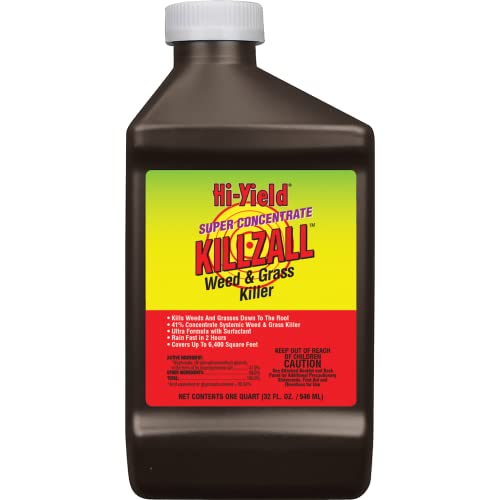
Hi-Yield (33692) Super Concentrate Killzall Weed & Grass Killer (32 oz)

Hi-Yield (31134) Grass Killer Postemergence Grass Herbicide, 8 oz
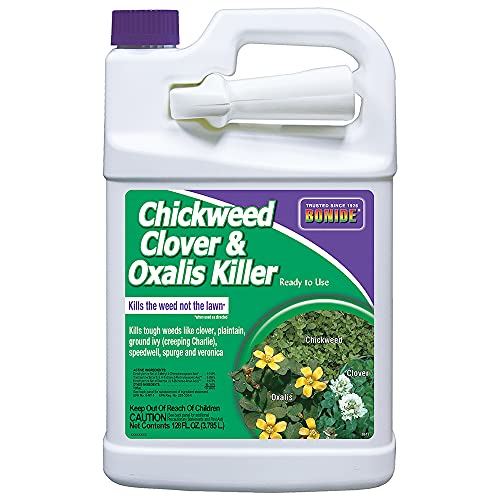
Bonide Chickweed, Clover & Oxalis Killer, 128 oz Ready-to-Use Spray

Roundup Dual Action 365 Weed & Grass Killer + 12 Month Preventer, 1.33 gal.

Roundup Landscape Weed Preventer, 5.37 lbs.

Roundup Weed & Grass Killer4 Concentrate, 1 gal.

Roundup 5003410 Weed and Grass Killer III Ready-to-Use Trigger Spray, 30-Ounce
The Details Behind The Selections
This is the workhorse jug for anyone managing serious acreage around flower beds, fence lines, and outbuildings. The 2.5-gallon size means a single purchase covers multiple seasonal applications, and the non-selective formula (a herbicide that kills any plant it contacts) handles annual grasses, perennial grasses, broadleaf weeds, and even woody brush. You mix it yourself, which adds a small step but lets you tailor concentration to the job.
Translocation matters here: the active ingredient moves through the plant down to the roots, so you get full-system kill rather than just top growth browning off. Expect root penetration in roughly one to two hours, with visible results often inside three hours on a sunny day. Owners commonly report that warm, dry conditions speed up the browning curve noticeably.
The Practical Payoff
- Non-selective control handles mixed weed populations in a single pass
- Translocating action reaches roots, reducing regrowth from rhizomes
- Bulk format lowers the per-application cost over a full growing season
- Visible results in hours make scheduling and follow-ups easier to plan
- Concentrate lets you adjust strength for tender versus tough vegetation
Worth Noting
- Cannot be used on lawns, so keep a dedicated sprayer for turf areas
- Requires accurate mixing, which adds prep time compared to ready-to-spray options
- Heavy jug is awkward to pour and store once opened
Key Specs
Right Fit For
Homeowners with large beds, long fence lines, or outbuildings who want a single concentrate jug to handle tough weeds across multiple zones.
Reach For A Different Pick When
Anyone with a small mixed bed and ornamentals nearby should look at the Hi-Yield (31134) Grass Killer Postemergence Grass Herbicide instead, since it is selective and ornamentals-friendly.
The 32-ounce version of Killzall is the same non-selective formula in a friendlier bottle. If you maintain a single suburban flower bed or want a backup concentrate for spot-treatments, the smaller size is easier to pour, store on a shelf, and finish before the season ends. The double-surfactant blend (surfactants are wetting agents that help the spray spread and stick to leaf surfaces) helps droplets cling to waxy weed leaves, which speeds uptake on tough species.
Coverage lands around 6,400 square feet per bottle once diluted, which is enough for most home flower beds and still leaves room for a sidewalk or driveway pass. Owners commonly find the bottle design simple to decant without spills.
What Earns Its Place
- Smaller format reduces waste for modest bed sizes
- Double-surfactant formula improves coverage on waxy weed leaves
- Compatible with the same sprayer setup as the larger Killzall jug
- Light enough to handle comfortably during single-handed mixing
Trade Offs
- Per-ounce cost runs higher than the 2.5-gallon option
- Still requires mixing, so it is not the fastest option for a quick walk-around
- Not labeled for lawn use, so accidental drift onto turf will damage grass
Best Suited To
Suburban gardeners running a single bed or two who want a non-selective concentrate without committing to a multi-gallon jug.
Look Elsewhere When
If you would rather skip mixing altogether and grab a hose-end bottle, the Bonide Chickweed, Clover & Oxalis Killer is a no-mix alternative that targets broadleaf weeds specifically.
This selective post-emergent (meaning it kills weeds that have already sprouted rather than preventing germination) targets grasses specifically, leaving your broadleaf ornamentals, shrubs, and most garden vegetables alone. That makes it the right call when crabgrass or Bermuda has crept into a daylily patch and you do not want to sacrifice the flowers to clear the invaders. The 8-ounce bottle mixes into roughly eight gallons of spray solution, which is plenty for several targeted applications.
Expect grass growth to stop about two days after treatment, with full die-off following as the plant loses its ability to push new growth. For most gardeners, the appeal is precision: you spray the grass blades without worrying about wiping out a nearby rose bush.
What Works In Its Favor
- Selective formula protects ornamentals, shrubs, and most vegetables
- Compact bottle is easy to store alongside a hand pump sprayer
- High dilution ratio stretches a small bottle across many treatments
- Fast growth-stop response shows results within a couple of days
Honest Caveats
- Will harm lawn grass, so keep it strictly away from turf areas
- Coverage depends heavily on thorough leaf wetness during application
- Mixing ratios vary by grass type, so the label is worth a careful read
Perfect Match For
Flower bed owners who spot grassy weeds threading through ornamentals and need a targeted solution that does not threaten surrounding broadleaf plants.
Where Another Pick Suits Better
If the weeds in your bed include clover, chickweed, or oxalis rather than grasses, the Bonide Chickweed, Clover & Oxalis Killer is built for that exact lineup.
This is the easiest entry on the list. The 128-ounce ready-to-use bottle means no mixing, no measuring, and no separate sprayer to clean afterward. It targets a specific trio of broadleaf troublemakers: chickweed, clover, and oxalis, plus more than one hundred related weeds including dandelion and wild violet. For beds invaded by low-growing, mat-forming weeds, the broadleaf specificity is a real asset.
One important note: this formula is labeled for residential turf, so it suits lawn-adjacent beds where accidental overspray might hit grass. That flexibility makes it a thoughtful option for yards where flower beds blend into lawn edges. It begins working overnight, with full systemic kill reaching the roots.
The Helpful Details
- Pre-mixed formula removes any measuring guesswork
- Targets over one hundred tough broadleaf species beyond the named trio
- Labeled for residential turf, giving flexibility near lawn edges
- Systemic action kills to the roots, not just top growth
Points To Keep In Mind
- Large bottle is bulky to carry once half-empty
- Sprayer head may clog occasionally if not rinsed between sessions
- Not designed for grass weeds, so it complements rather than replaces a grass killer
Feature Snapshot
Who It Suits Best
Gardeners fighting broadleaf invaders in beds that border lawn areas and who prefer grab-and-spray convenience over concentrate mixing.
A Better Fit Elsewhere
Anyone battling grassy invaders like crabgrass should reach for the Hi-Yield (31134) Grass Killer Postemergence Grass Herbicide instead, which is grass-specific.
The Dual Action 365 combines a foliar kill with a pre-emergent barrier, meaning it kills existing weeds and prevents new ones from germinating for up to a year. That two-step logic suits gardeners who would rather treat once and walk away for the season. The Pump ‘N Go 2 sprayer pressurizes the bottle, which means no pumping by hand and a steady spray pattern from start to finish.
It handles a broad list, including clover, dandelion, crabgrass, poison ivy, and other grassy and broadleaf weeds. Rainfast in roughly thirty minutes, it holds up well under unexpected weather. For most flower bed owners, the appeal is simplicity: spray, then forget about that patch until next year.
Well-Handled Touches
- Combined kill-and-prevent formula reduces repeat trips to the bed
- Pump ‘N Go 2 sprayer delivers consistent pressure without hand pumping
- Rainfast window is short, so weather disruptions are less of a worry
- Targets tough species like poison ivy alongside common weeds
Potential Compromises
- Pre-emergent barrier can affect desirable seed you plant later in the same bed
- Higher upfront cost than single-action concentrates
- Sprayer mechanism needs occasional cleaning to stay clog-free
Made For
Low-maintenance gardeners who want a once-per-season treatment and are willing to trade flexibility for hands-off simplicity.
Skip It When
If you plan to overseed or add new ornamentals to the same bed within the year, the Roundup Landscape Weed Preventer gives pre-emergent control without the kill component.
This is a granular pre-emergent, meaning it forms a barrier on the soil that stops weed seeds from germinating without harming the roots of existing ornamentals. The 5.37-pound jug is designed for broadcast application around established plantings, ideally before mulching in spring. Once activated by watering, it forms a weed-blocking layer that lasts through the growing season.
The granular format is a nice fit for gardeners who dislike mixing liquids or hauling a pump sprayer. You shake the pellets over the bed, water them in, and let chemistry do the rest. Owners commonly apply it alongside a fresh mulch layer for the cleanest result.
What It Does Well
- Pre-emergent barrier stops weeds before they sprout
- Granular format avoids mixing and sprayer cleanup
- Designed for use around existing ornamentals without harm
- Large jug covers many beds or a full landscape over a season
Details To Watch
- Does not kill existing weeds, so it pairs best with a separate foliar treatment
- Needs timely watering-in to activate the barrier
- Granules can wash out of sloped beds during heavy rain
Whose Shelf It Belongs On
Established landscape beds with mature ornamentals where the gardener wants to prevent weeds before they appear rather than react after.
Swap It Out When
Beds with active weed growth need a foliar killer first, such as the Roundup Weed & Grass Killer4 Concentrate, before a pre-emergent layer makes sense.
The Killer4 concentrate is the flexible middle of the Roundup lineup. The one-gallon bottle mixes down to a foliar spray for general weed control, and it handles a long target list, including dandelion, large crabgrass, poison ivy, clover, and spotted spurge. Rainfast in roughly thirty minutes, it holds up under pop-up showers and keeps your schedule on track.
Visible results show within hours, and you can replant in the treated area within one to thirty days depending on what you are planting. That replant window matters if you clear a bed and want to refresh the soil with new ornamentals. For most flower bed owners, this is the versatile pick that handles whatever the season throws at it.
Useful Strengths
- Broad-spectrum control tackles mixed weed populations in flower beds
- Short rainfast window reduces weather-related resprays
- Visible results in hours give quick feedback on treatment success
- Replant window of 1 to 30 days supports seasonal bed refreshes
Things To Weigh
- Requires mixing and a dedicated sprayer for accurate application
- Non-selective, so drift onto ornamentals will damage them
- Replant interval varies by species, so the label warrants a careful read
Tech Specs At A Glance
Right Fit For
Versatile gardeners who want a single concentrate that adapts to whatever weed pressure shows up across a full growing season.
Not Your Match When
Anyone wanting no-mix convenience should consider the Roundup 5003410 Weed and Grass Killer III Trigger Spray for grab-and-go spot-treatments.
The 30-ounce trigger spray is the grab-and-go option for small flower beds and quick touch-ups. The foaming technology is a thoughtful touch: the foam shows exactly where you have sprayed, which reduces accidental overlap and helps you avoid spraying the same weed twice. It starts working on contact and reaches the roots for a complete kill.
Visible results show in about six hours, and the formula is rainproof within ten minutes. For most casual gardeners, the bottle lives by the back door and gets pulled out whenever a new weed pops up between perennials. It is the right size for single-handed use and stores on a shelf without taking up much space.
The Good Stuff
- Foaming spray pattern shows treated areas at a glance
- Ready-to-use format requires no mixing or separate sprayer
- Compact 30-ounce bottle stores easily on a garage shelf
- Short rainproof window keeps the schedule flexible
- Trigger handle is comfortable for short spot-treatment sessions
Small Caveats
- Small bottle runs out quickly on larger beds, requiring multiple refills
- Trigger can tire the hand during extended spraying sessions
- Non-selective, so careful aiming is critical around ornamentals
Perfect Match For
Casual gardeners with smaller beds who want a shelf-ready bottle for occasional weed touch-ups without any mixing or measuring.
Consider Something Else When
Larger properties with multiple beds will burn through this bottle fast, making the Roundup Weed & Grass Killer4 Concentrate a more practical long-term option.
Choosing The Right Formula For Your Flower Beds
Before picking an herbicide, identify what is actually growing in your bed. Grassy weeds like crabgrass and Bermuda call for a selective grass herbicide such as the Hi-Yield (31134). Broadleaf invaders like chickweed, clover, and oxalis respond to targeted formulas like the Bonide Chickweed, Clover & Oxalis Killer. Mixed populations of unknowns usually point toward a non-selective concentrate, with the Hi-Yield (33701) or Roundup Killer4 handling the spread.
Next, decide whether you need a kill-only product or a kill-and-prevent approach. Established beds with active weed pressure benefit from foliar sprays, while mature landscapes often pair a foliar treatment with a granular pre-emergent like the Roundup Landscape Weed Preventer. The Dual Action 365 combines both in one bottle for gardeners who prefer a single annual pass.
Finally, weigh convenience against cost. Ready-to-use bottles and trigger sprays save time but cost more per ounce. Concentrates require mixing and a dedicated sprayer but stretch further and let you tune concentration by weed type.
Key Considerations Across These Picks
Common Shopping Slip Ups
The most frequent mistake is grabbing a non-selective herbicide for a bed full of desirable plants. Non-selective formulas damage any green tissue they touch, so accidental spray or drift wipes out ornamentals along with weeds. Matching the formula to your weed type (grass versus broadleaf) protects the plants you want to keep. Read the label for the target species list and the use sites before opening the bottle.
What The Higher Tier Buys
Premium options like the Roundup Dual Action 365 combine kill and prevent functions into a single application, which cuts down on seasonal labor and repeat trips. The trade-off is replant flexibility: pre-emergent barriers prevent desirable seeds from germinating too. Paying more upfront buys convenience and time savings, but only matters if you want a hands-off approach for the season.
Frequently Asked Questions
Can I use these herbicides near vegetables and herbs?
Selective products like the Hi-Yield (31134) Grass Killer and the Bonide Chickweed, Clover & Oxalis Killer are labeled for use around ornamentals and, depending on the label, certain garden settings. Always check the specific product label for the exact list of safe adjacent crops before spraying.
How long before rain should I apply a foliar herbicide?
Most foliar concentrates on this list become rainfast in roughly thirty minutes under normal conditions. Trigger sprays like the Roundup 5003410 reach that mark in about ten minutes, giving you a wider weather window.
When is the best time of year to apply a pre-emergent?
Pre-emergent granules like the Roundup Landscape Weed Preventer work best when applied in early spring before weed seeds germinate. Watering the granules in after application activates the barrier and locks the protection into the soil.
Will these products harm my pets or wildlife?
Most selective and ready-to-use formulas on this list have short re-entry windows once dry, but always follow the label directions for people, pets, and pollinator safety. Keeping pets out of the treated area until the spray has dried is a sensible baseline precaution.
Can I mix two herbicides together for tougher weed pressure?
Tank mixing (combining two products in one sprayer) can improve control but also raises the risk of plant damage and chemical incompatibility. The safer move is to apply each product separately according to its label, allowing the recommended interval between applications.
Closing Remarks
The right herbicide for your flower bed depends on what you are fighting, how much area you maintain, and whether you prefer mixing concentrates or grabbing a ready-to-use bottle. Selective formulas protect ornamentals, non-selective concentrates handle tough mixed infestations, and pre-emergents stop weeds before they sprout. Match the product to your situation, follow the label, and your beds should stay cleaner through the whole growing season.
