

Honeysuckle takes over a fence line fast, sending twining stems through shrubs and choking native growth before you notice. A targeted herbicide turns that slow-motion invasion into a manageable weekend project, whether you’re reclaiming a trellis or restoring a pasture edge. The eight options below cover everything from foliar sprays that travel through the vine to stump treatments that stop regrowth at the cut. Most homeowners only need a single bottle and a pump sprayer to make real headway against a stubborn patch.
A Quick View Of The Lineup

Hi-Yield (35261) Triclopyr Ester, 8 oz
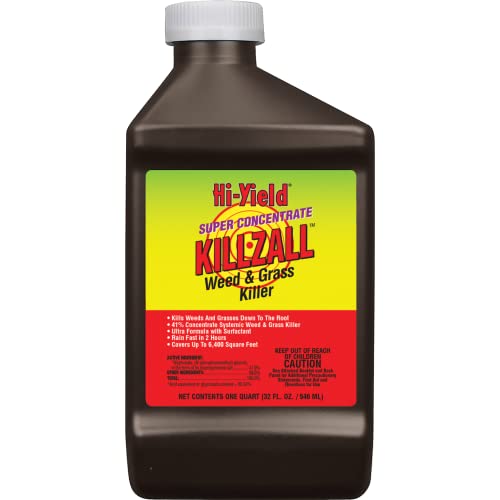
Hi-Yield (33692) Super Concentrate Killzall, 32 oz
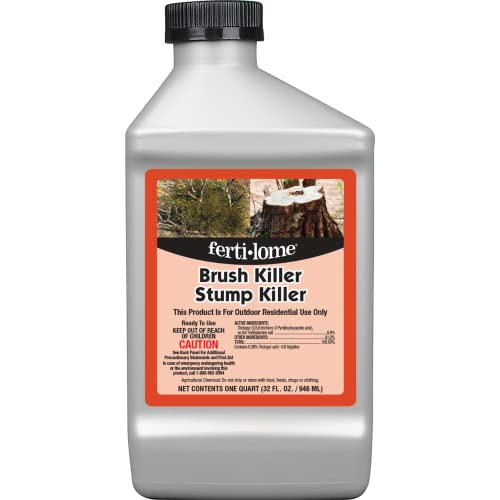
Fertilome (11485) Brush Killer & Stump Killer, 32 oz

Southern AG 01113 Brush Weed Killer, 32 oz

Roundup Poison Ivy Plus Tough Brush Killer2, 32 fl. oz.

Airmax Shoreline Defense Emergent Weed Control, 1 Gallon

Control Solutions Eraser 41% Glyphosate, 1 Quart

Roundup Dual Action Weed & Grass Killer Plus 4 Month Preventer
More Details On Our Top Picks
Triclopyr is the active ingredient most agronomists reach for when woody invaders like honeysuckle need to come out without harming nearby cool-season turf. This 8 ounce bottle of ester concentrate mixes down into a foliar spray that travels through the leaves and down into the root crown, so a single thorough application often finishes what pulling alone never could. In a typical yard where honeysuckle has crept from a back fence into a perennial bluegrass lawn, this is the kind of targeted tool that lets you spray the vine without sacrificing the grass around it.
For homeowners who want a focused treatment rather than a wholesale yard reset, the small bottle size keeps mixing simple. You can spot-treat a fence line in one afternoon without committing to a gallon jug of chemistry you may not need again for another season.
Well-Handled Touches
- Targets actively growing broadleaf weeds like oxalis and wild violet along with woody vines such as honeysuckle.
- Safe to use on perennial bluegrass, perennial ryegrass, and tall fescue ornamental turf.
- The 8 ounce concentrate also works as a bluegrass suppressor where unwanted bluegrass is creeping into finer turf.
- Liquid ester formulation mixes readily with water and standard pump sprayers.
Worth Noting
- Must not be applied to Bahiagrass, Bentgrass, Bermudagrass, Centipedegrass, St. Augustine, or Zoysiagrass, so warm-climate lawns need a different plan.
- The small 8 ounce bottle is a poor match for multi-acre properties without buying several at once.
Key Specs
Who It Suits Best
Homeowners with cool-season turf who want a selective option that knocks back honeysuckle without killing the lawn underneath.
Where Another Pick Suits Better
For larger pasture or fence row projects, the Southern AG 01113 Brush Weed Killer offers a similar active ingredient in a bigger jug built for acreage.
Killzall is the non-selective workhorse in this lineup, hitting grasses, broadleaf weeds, and woody brush with the same mix. The 32 ounce jug treats up to 6,400 square feet, which makes it the right scale for someone reclaiming a back forty, a fence line, or a long stretch of brushy edge. A double-surfactant blend helps the spray spread and stick to waxy leaves, so coverage on dense honeysuckle mats tends to look more uniform than with thinner formulas.
Unlike the targeted Hi-Yield Triclopyr Ester above, this is a total vegetation killer, so plan the spray day around a clear target zone. Driveways, gravel paths, barn lots, and the back side of a privacy fence are all reasonable places to let it do its job.
Where It Helps
- Covers up to 6,400 square feet from a single 32 ounce bottle, well suited to big brush jobs.
- Double-surfactant formula helps the spray dry on plant surfaces and start working fast.
- Handles grasses, broadleaf weeds, and woody brush in one pass.
- Liquid concentrate mixes to whatever strength your sprayer calls for.
Honest Caveats
- Non-selective action means desirable grass and ornamentals in the spray zone will not survive.
- Label instructions need to be read carefully because rates and timing differ across brush versus grass targets.
Right Fit For
Landowners clearing fence rows, driveways, or pasture edges where a total vegetation reset beats selective treatment.
Consider Something Else When
If you need to keep a cool-season lawn alive while treating only the honeysuckle, the Hi-Yield Triclopyr Ester is a far safer match.
Honeysuckle often regrows from the crown after a quick chop with loppers, which is why a cut-surface application matters as much as a foliar spray. Fertilome’s Brush Killer doubles as a stump treatment, so you can brush it onto freshly cut stumps within 45 minutes of cutting and stop resprouting before it starts. For brush applications, mixing 8 ounces per gallon of water gives you a foliar spray that climbs through vine canopies and reaches the root system.
This is the kind of bottle that lives in a garage shelf for years between major cleanups, and the dual-mode label keeps it useful for both standing brush and freshly cut honeysuckle crowns. Compare that to a single-purpose foliar spray that does little for stumps you have already taken down.
What Pays Off
- Two-in-one label: foliar spray for brush and cut-surface treatment for fresh stumps.
- Targets woody vines and brush that often shrug off generic weed killers.
- 32 ounce concentrate gives multiple mixing batches for ongoing projects.
- Stump treatment can be applied right after cutting, which fits a normal weekend cleanup flow.
Trade-Offs To Consider
- The 45 minute cut-surface window is strict, so mixing ahead of time and finishing cuts in batches matters.
- A brush for stump application is not included, so you need to supply your own applicator.
Quick Facts
Best Suited To
Homeowners tackling both standing honeysuckle vines and freshly cut stumps in a single weekend project.
Look Elsewhere When
For purely foliar work on broad fence lines where you have not cut anything down, the Southern AG 01113 Brush Weed Killer is purpose-built for that scenario.
Southern AG 01113 carries 8.8 percent triclopyr, the same active ingredient that professional range managers use against tough brush on rangeland. The label calls out non-crop areas, road right of ways, rangeland, pastures, and fence rows, which tells you the manufacturer built this for acreage work where selectivity around grass matters more than garden-bed precision. Mix it at 4 to 8 ounces per gallon of water for foliage sprays, and you get enough flexibility to dial the strength up for thick honeysuckle or down for younger growth.
The label also notes the same active profile as Garlon, a long-trusted professional standard, which makes this a familiar formula to anyone who has worked with brush control on a larger property. For a homeowner dealing with honeysuckle along a long back property line, this is the kind of jug that covers the whole stretch in one go.
The Good Stuff
- 8.8 percent triclopyr concentrate handles vines, hard-to-control brush, and stump sprouting prevention.
- Mix rate of 4 to 8 ounces per gallon lets you tune strength to vine density.
- Approved for non-crop areas including pastures, rangeland, and fence rows.
- 32 ounce quart jug scales well to multi-acre projects.
Worth Bearing In Mind
- Not intended for use on lawns, so ornamental turf owners should look at the Hi-Yield Triclopyr Ester instead.
- Concentrate requires careful measuring and a dedicated pump sprayer for clean, even coverage.
Made For
Ranchers, homesteaders, and homeowners with large non-crop areas where honeysuckle has spread along fences or pasture edges.
Skip It When
If your honeysuckle problem is a small backyard patch tucked into flower beds, the Fertilome Brush Killer is easier to meter out in a foliar mix.
Roundup’s Tough Brush Killer 2 formula takes aim at hard-to-kill species like poison ivy, poison oak, wild blackberry, and kudzu, which puts honeysuckle squarely in its wheelhouse. Foliar sprays start showing visible results within hours, and the rainfast window lands around 30 minutes, so a quick pop-up shower does not undo your work. The label notes you can replant treated areas within 1 to 30 days depending on what you want to grow next.
Where this stands out from the pure triclopyr products earlier in the list is speed. You will see leaves curl and brown in a single afternoon, even though full root kill still takes a few weeks. For a homeowner who wants the visible feedback that something is happening, that matters.
Key Advantages
- Targets tough climbing and brushy vines including kudzu and wild blackberry alongside honeysuckle.
- Visible wilting within hours gives quick feedback that the spray is working.
- Rainfast in roughly 30 minutes, so brief showers do not wash the treatment away.
- Replant interval of 1 to 30 days keeps lawn or landscape renovation on schedule.
Points To Keep In Mind
- Non-selective action means desirable plants in the spray zone need shielding or you risk losing them.
- Concentrate is sold in a 32 ounce bottle that you measure and mix yourself, so reading the label pays off.
Feature Snapshot
Perfect Match For
Homeowners fighting honeysuckle tangled through chain-link fences who want a fast-acting foliar treatment and quick replant flexibility.
Another Choice May Suit
For larger rangeland jobs where cost per acre matters more than visible speed, the Hi-Yield Killzall offers broader coverage per dollar.
Most herbicides on this list cannot legally touch standing water, which is where Airmax Shoreline Defense earns its place. It is labeled for use in fresh and brackish water, so you can spray right up to the waterline on a pond, lake, or slow-moving creek where honeysuckle has crept down the bank. The one gallon jug covers substantial shoreline, and the broad-spectrum formula targets cattails, phragmites, grasses, and brush in the same pass.
This is a niche tool for a specific situation, and treating a dock or beach strip with a non-aquatic product is a regulatory headache in many states. If your honeysuckle problem meets actual water, this is the right shelf to reach for.
Everyday Perks
- Approved for fresh and brackish water, which most brush killers in this roundup are not.
- Broad-spectrum formula handles emergent weeds, brush, and shoreline grasses.
- One gallon size suits multi-shore or larger waterfront properties.
- Targets root systems of persistent emergent weeds for longer-lasting control.
Smaller Limitations
- Specialty aquatic label means a higher price than general-purpose brush killers.
- Overkill for an inland backyard with no standing water nearby.
Whose Shelf It Belongs On
Property owners with lakefront, pond, or brackish shoreline where honeysuckle has spread into the riparian zone and ordinary herbicides are off-limits.
Swap It Out When
If your honeysuckle patch sits well away from any water feature, the Hi-Yield Triclopyr Ester delivers a more targeted, lawn-friendly result at a lower cost.
Eraser is a 41 percent glyphosate concentrate, which puts it at the heavy end of the non-selective spectrum. The label covers non-crop, industrial, turf, and ornamental weed control, along with farmsteads, pasture grasses, and rangelands. For honeysuckle that has formed a thick, woody mat, a higher glyphosate load can mean fewer repeat trips and a cleaner reset of the treated zone.
The trade-off is straightforward: more power also means more risk to anything green in the spray drift. Treat this as a tool for total vegetation removal in defined zones, not as something to use around a prized shrub.
Benefits That Matter
- 41 percent glyphosate concentrate gives strong knockdown per ounce mixed.
- Broad post-emergence label covers annuals, perennials, trees, vines, and shrubs.
- Low-odor formulation is easier to work around on a calm morning.
- One quart scales well to multiple tank mixes over a season.
Practical Considerations
- Non-selective chemistry means careful shielding of desirable plants during application.
- Concentrate requires accurate measuring, so a clean set of measuring tools helps avoid waste.
Built With In Mind
Farmstead and acreage owners who want a high-load glyphosate for spot treatments of woody honeysuckle mats and other hard-kill brush.
Reach For A Different Pick When
For selective work where cool-season grass needs to survive, the Hi-Yield Triclopyr Ester keeps the lawn intact while still tackling the vine.
Roundup’s Dual Action formula kills existing vegetation down to the root and leaves an invisible barrier in the soil that suppresses new growth for up to four months. That second function is what makes it interesting for honeysuckle creeping into driveway cracks, gravel paths, and fence post footings, where you do not want a fresh flush of seedlings after the parent vine dies back. It is built for the spaces where you want bare ground to stay bare through a season.
The trade-off is the same as any soil-active herbicide: do not use it where you plan to reseed lawn or plant ornamentals, because the residual barrier will hold those seeds back too. For a defined hardscape zone, it solves the recurring weed problem in a single pass.
Real Benefits
- Kills existing weeds and grass to the root in a single application.
- Built-in preventer creates a soil barrier that holds back new growth for up to four months.
- Works well in cracks, driveways, gravel areas, and along fence lines.
- Concentrate format lets you mix only what you need for the job at hand.
Possible Compromises
- Residual barrier will block new lawn seed or ornamental plantings in the treated zone for months.
- Less suited to mixed landscapes where you want the soil to host new growth soon after treatment.
Feature Card
Who Should Grab It
Homeowners clearing honeysuckle out of driveway cracks, gravel borders, and similar hardscape zones where a season of bare ground is the goal.
Not Your Match When
If you want to replant the area with new shrubs or lawn after clearing, the Hi-Yield Triclopyr Ester leaves the soil ready for replanting much sooner.
What To Weigh Before Choosing A Honeysuckle Herbicide
Start with the active ingredient. Triclopyr is a selective herbicide that targets broadleaf and woody plants, so it removes honeysuckle while leaving cool-season grasses alone. Glyphosate is non-selective, meaning it kills nearly any green plant it touches, which makes it a reset tool rather than a precision one. The right choice depends on whether you want a clean fence line with grass underneath, or a totally bare zone where nothing grows for a while.
Then think about the form of the plant you are fighting. Standing vines with full leaf canopy respond to foliar sprays, while cut stumps and crowns need a cut-surface treatment applied within minutes of cutting. Honeysuckle regrows from the crown, so spraying leaves alone often leaves a healthy root system behind. For thorough work on a long-established patch, plan on both a foliar pass and a cut-surface follow-up.
Consider the location of the patch. A trellis beside a flower bed calls for a selective formula and careful shielding of ornamentals. A shoreline or pond edge restricts you to aquatic-labeled products, while a pasture or fence row rewards higher-concentration concentrates that cover more ground per ounce. The label is the contract here, and matching the product to the site is what keeps a weekend project from turning into a reseeding job.
Finally, weigh the season. Late summer and early fall applications tend to push more herbicide into the root system as plants move energy downward, which is why most extension services recommend that window for woody vines. A spring spray on leafy growth works, but a fall pass on a translocating plant usually does more with the same bottle.
Picking The Right Honeysuckle Control
Mistakes Worth Dodging
The most common slip is treating a fence line on a windy day, which drifts non-selective herbicide into a lawn or flower bed. Pick a calm morning and check the forecast, since even a 30 minute rainfast window can be undone by an unexpected shower. Another trap is under-mixing the concentrate, which looks like a cost savings but usually means a second trip and a third trip, all of which add up to more product used in the end.
Where The Extra Money Goes
A higher concentration jug like Control Solutions Eraser costs more up front, but the cost per treated acre drops because you mix less product per gallon of spray solution. Premium formulas also tend to include surfactants that help the spray spread and stick to waxy leaves, which means better coverage on the first pass. For a single small yard, that upgrade rarely pays back, but for a multi-acre property, the per-acre math shifts the other way quickly.
Frequently Asked Questions
When is the best time to spray honeysuckle?
Late summer through early fall is usually the strongest window, because vines are pushing energy down into the root system and carry the herbicide with them. A second pass the following season handles any regrowth from the crown.
Will triclopyr kill my lawn?
It depends on the grass type. Triclopyr is generally safe on perennial bluegrass, perennial ryegrass, and tall fescue, but it can damage Bahiagrass, Bentgrass, Bermudagrass, Centipedegrass, St. Augustine, and Zoysiagrass, so always check the label first.
Do I need to cut the vine before spraying?
Cutting is not required, but a combination approach works well for thick, woody mats. Cut first, then treat fresh stumps with a brush-on application, and follow with a foliar spray on any regrowth the next season.
Can I use these products near water?
Most general-purpose herbicides cannot be applied to or near standing water. For shorelines, ponds, and ditches, choose a product specifically labeled for aquatic use, such as the Airmax Shoreline Defense formula.
How long before the vine is completely dead?
Visible wilting often shows up within hours to a few days, but full root kill can take several weeks. Plan on a follow-up inspection the next season to catch any resprouts from the crown.
Bottom Line
Your yard, your budget, and your tolerance for collateral damage should drive the choice as much as the label. Homeowners with cool-season turf usually find the Hi-Yield Triclopyr Ester hits the right balance, while pasture and shoreline projects call for heavier-duty concentrates. Whichever route you take, matching the active ingredient to the site, and giving the herbicide time to translocate, makes the difference between a one-season fix and a recurring chore.
