

Weeds and bugs don’t wait politely for harvest season, and neither should your control strategy. Anyone tending tomatoes, peppers, or squash knows how quickly a single crabgrass plant or aphid colony can tip a tidy bed into chaos. Picking the right products means weighing crop safety, application timing, and how aggressively you need to treat the problem.
The Essentials At A Glance
The Essentials At A Glance
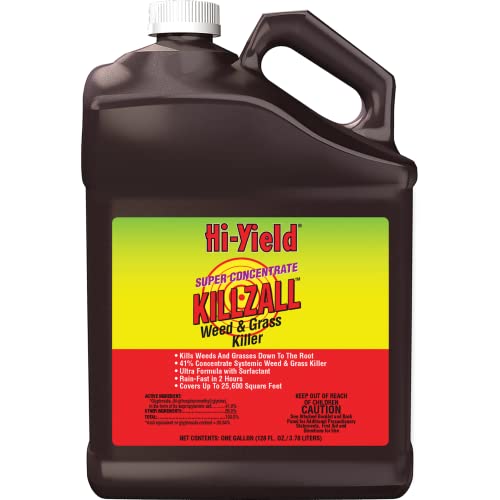
Hi-Yield Super Concentrate Killzall Weed & Grass Killer, 1 gal

Hi-Yield Vegetable & Ornamental Insect Control Granules, 4 lbs

Hi-Yield Grass Killer Postemergence Grass Herbicide, 8 oz
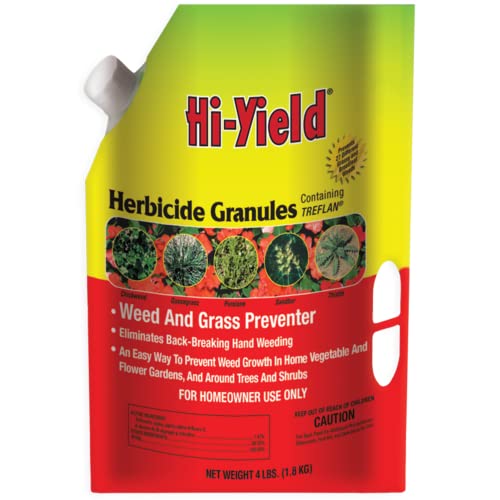
Hi-Yield Herbicide Granules Weed and Grass Preventer, 4 lbs

Fertilome Weed-Out Nutsedge Control Concentrate, 16 oz

Earth’s Ally Disease Control Fungicide Concentrate, 32 Oz
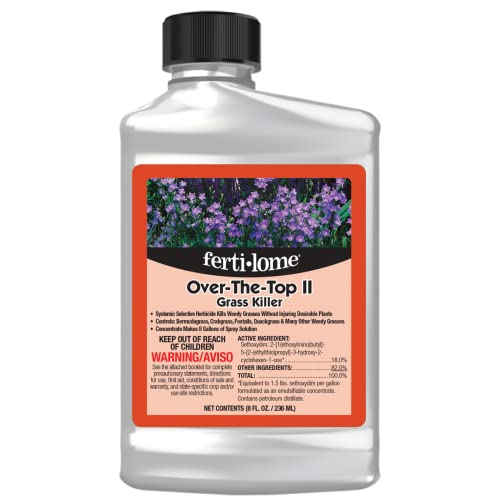
Fertilome 8 Oz Over The Top Grass Killer, 10434
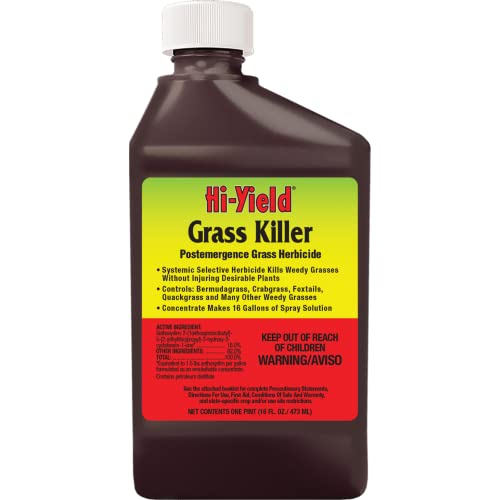
Hi Yield 16 Oz Grass Killer
A Deeper Look At The Lineup
When you need to clear a neglected patch before planting season even begins, a one-gallon concentrate offers enough volume to handle the work in a single pass. The double-surfactant formulation (a surfactant is a wetting agent that helps the liquid spread and stick to plant surfaces) dries on foliage fast, so rain won’t wash it away before it does its job. For home growers converting lawn to garden, or reclaiming an overgrown corner, this is the kind of brute-force solution that saves days of manual pulling.
Coverage lands around 25,600 square feet per bottle, which covers most suburban lots comfortably. The trade-off, as with any non-selective herbicide (meaning it kills nearly any plant it contacts), is that overspray will damage your vegetables too, so careful targeting matters. Treat this as a pre-planting tool rather than an in-season rescue.
Features That Help
- Liquid concentrate covers up to 25,600 square feet from a single gallon, enough for full-lot clearing.
- Double-surfactant blend dries on leaves quickly, so light weather shifts don’t interrupt the kill cycle.
- Targets grasses, broadleaf weeds, and woody brush species in one formula, eliminating the need for separate products.
- Concentrate format lets you dial dilution down for spot work or up for blanket treatment.
Things To Consider
- Not suited for use on established lawns, since it can’t distinguish between weeds and turf grass.
- Requires careful application around desirable plants, as drift can damage vegetables unintentionally.
- Storage of a full gallon takes up shed space, and leftover concentrate needs cool, dry conditions for long shelf life.
Made For
Homeowners clearing ground before planting a new vegetable bed or reclaiming a heavily overgrown section of yard.
Consider Something Else When
Vegetables are already in the ground, since the Hi-Yield 16 Oz Grass Killer (Pick 8) offers a selective option that won’t threaten planted crops.
Insects don’t wait for your tomatoes to ripen, and a granular broadcast (scattered evenly across the soil surface) reaches the soil-dwelling pests that sprays often miss. This 4-pound bag covers roughly 3,000 square feet, fitting the size of a typical backyard vegetable plot plus a perimeter band around the house. Treating at the first sign of ant trails or grub damage tends to deliver the cleanest results.
The fast-acting formula starts reducing insect activity within 24 hours, which matters when earwigs are already chewing through your lettuce. Application timing is straightforward: spread the granules, water them in lightly, and let the soil carry the active ingredient downward. You’ll want gloves during handling and to keep pets away from treated zones until watering is complete.
Benefits That Matter
- Treats ants, grubs, crickets, earwigs, and additional listed pests in a single application.
- Suitable as both a garden treatment and a perimeter band around the home foundation.
- Granular format requires no mixing or spray equipment, ideal for gardeners avoiding liquid chemicals.
- 4-pound bag covers approximately 3,000 square feet, matching most small-to-medium residential plots.
Points To Note
- Beneficial insects may also be affected, so avoid application during peak pollinator activity on flowering crops.
- Granules need watering-in after spreading to activate, adding a step to the routine.
- Not a preventive; works best as a reactive treatment once pest pressure is visible.
Feature Snapshot
Best Suited To
Garden owners dealing with a mix of surface and soil-dwelling pests across a mid-sized vegetable plot.
Look Elsewhere When
Fungal disease is the main concern, since the Earth’s Ally Disease Control Fungicide Concentrate (Pick 6) targets mildew and blight instead of insects.
Grass weeds sneaking through mulch or edging around tomato cages are one of the most stubborn mid-season nuisances. This selective post-emergent herbicide (one applied after weeds have already sprouted, targeting specific plant types rather than killing everything) tackles those grassy invaders without harming broadleaf vegetables like beans, peppers, or squash. The 8-ounce bottle mixes into 8 gallons of spray solution, which is plenty for spot-treating a raised bed or two.
Growth halts roughly two days after application, so you won’t be waiting weeks to see whether the treatment worked. You’ll still want to identify your weed grass correctly before spraying, because some grassy weeds need different active ingredients. The small bottle is the practical choice if you treat a few trouble spots each season rather than spraying whole sections.
Points In Its Favor
- Selective formula is safe to use around vegetables, gardens, trees, shrubs, and ornamentals when applied as directed.
- One bottle produces 8 gallons of mixed spray, enough for multiple spot-treating sessions.
- Stops grassy weed growth within about two days, speeding up visible results.
- Compact 8-ounce bottle stores easily in a small gardening tote or shed shelf.
Worth Noting
- Coverage is limited per bottle, so larger plots may require multiple purchases over a season.
- Mixing ratios vary by weed species and area, so reading the label before each application is essential.
Whose Shelf It Belongs On
Raised-bed gardeners and small-plot growers who mostly need to spot-treat grassy intruders without disturbing crops.
Reach For A Different Pick When
Treatments need to cover a larger area in a single go, since the Hi Yield 16 Oz Grass Killer (Pick 8) doubles the mixed spray volume.
Prevention beats pulling weeds all summer, and this granular pre-emergent (a herbicide that stops weed seeds from germinating in the first place) creates a barrier that suppresses crabgrass, bluegrass, barnyard grass, and similar invaders. Spread at the start of the growing season and the product continues working through the full season, freeing you from constant cultivation.
The 4-pound bag fits comfortably in one hand, and application is a simple broadcast over your bed or flower border. Because it stops seeds from germinating, you’ll want to apply it before any direct-seeded vegetables go in, or use it only around transplants. Once activated by watering or rainfall, the granules settle into the topsoil layer and stay effective for months.
Reasons It Performs
- Stops weed and grass seeds from germinating, removing the need for weekly weeding sessions.
- Targets crabgrass, bluegrass, barnyard grass, and additional listed weeds with a single application.
- Granular spreader application means no spray equipment or protective gear beyond basic gloves.
- One early-season treatment lasts through the full growing cycle, reducing mid-season labor.
Trade Offs
- Prevents all seeds from sprouting, so direct-sown vegetable seeds won’t germinate in treated zones.
- Established weeds already growing won’t be affected, since this is a preventer rather than a killer.
- Requires rain or irrigation within a window after spreading to activate the granules properly.
Feature Snapshot
Who Should Grab It
Gardeners who transplant seedlings and want a hands-off solution to keep beds clean from spring through fall.
Swap It Out When
You direct-sow crops like carrots or beans in the same bed, since the Hi-Yield Grass Killer Postemergence Grass Herbicide (Pick 3) handles actively growing weeds without blocking seed germination.
Nutsedge is the weed that laughs at most lawn products, sending up triangular yellow-green shoots that ordinary grass killers ignore. This selective formula targets nutsedge along with clover, dandelion, crabgrass, ground ivy, and spurge, making it a multi-pest tool for tricky lawns and edges. A single pint covers up to 5,800 square feet, enough to walk the perimeter of a typical property.
Use it on warm and cool season grasses including bluegrass, Bahia, Bermuda, and fescue, which broadens the audience considerably. The concentrate format means you’ll need a pump sprayer for application, but the trade-off is precise control over where the product lands. For gardeners transitioning lawn into vegetable beds, this handles the sedge problem that typically survives round one of spraying.
Real Benefits
- Specifically formulated for nutsedge, which most general herbicides fail to control.
- Covers clover, dandelion, crabgrass, ground ivy, and spurge in the same application pass.
- Suitable across warm and cool season turf types, expanding its usefulness across regions.
- One pint treats up to 5,800 square feet, fitting large lawn edges or multiple garden borders.
Honest Caveats
- Requires a pump sprayer, adding equipment most casual gardeners may not own.
- Mixing ratios and timing depend on the specific weed, so the label becomes essential reading.
Feature Rundown
The Right Fit
Vegetable gardeners whose lawn borders host persistent nutsedge that ordinary weed killers leave standing.
Where A Sibling Pick Shines
Pre-emergent prevention is the goal rather than sedge kill, since the Hi-Yield Herbicide Granules Weed and Grass Preventer (Pick 4) blocks germination across the whole season.
Fungal problems hit vegetable gardens hard, especially in humid regions where powdery mildew can coat squash leaves overnight. This 32-ounce concentrate uses citric acid as its active ingredient, which is a meaningful shift away from synthetic fungicides. The formula tackles powdery mildew, downy mildew, blight, canker, black spot, and leaf spot, covering the bulk of common garden diseases.
For households with curious kids or pets who wander through planted areas, the citric acid base offers a different comfort level than harsher alternatives. You still need to follow label directions, but the ingredient profile tends to feel less intimidating for first-time users. Application is straightforward with any standard pump sprayer, and the bottle mixes with water to make a working solution.
Positive Takeaways
- Citric acid formulation reduces concerns for households with children and pets roaming the garden.
- Targets powdery mildew, downy mildew, blight, canker, black spot, and leaf spot in one product.
- 32-ounce concentrate stretches across multiple treatment sessions for larger plantings.
- Functions as both a treatment and a preventive when applied at first sign of disease.
Room For Improvement
- Natural formulations sometimes need more frequent reapplication than synthetic fungicides.
- Coverage of severe existing infections may require multiple spray cycles to fully resolve.
Quick Facts
Perfect Match For
Family gardeners with kids, pets, or edible crops where a softer ingredient profile matters as much as effectiveness.
Not Your Match When
Weed control is the primary need, since the Ferti-lome 8 Oz Over The Top Grass Killer (Pick 7) is purpose-built for grassy weeds instead of fungal issues.
Bermuda and other perennial grass weeds creep into flower and shrub beds where they’re nearly impossible to pull by hand. This selective grass killer is designed to be applied over the top of desirable ornamentals without harming them, which removes the tedious shielding routine you usually need with sprays. The 8-ounce bottle mixes into 8 gallons of spray solution, covering a substantial planting area.
Both annual and perennial grass weeds respond to treatment, with growth stopping about two days after application. The label matters here because correct timing and concentration depend on what you’re spraying around. In practice, this becomes a routine maintenance product for gardeners who manage larger ornamental beds with established shrubs.
Well-Handled Touches
- Can be sprayed directly over ornamentals without harming them, cutting down on prep time.
- Targets both annual and perennial grass weeds, expanding usefulness across seasons.
- One 8-ounce bottle produces 8 gallons of mixed spray for broad coverage.
- Growth halts roughly two days after treatment, delivering visible confirmation quickly.
Practical Considerations
- Application rate depends on the specific ornamental, so reading the full label prevents accidental damage.
- Smaller bottle may run out quickly on properties with extensive planting beds.
Built With In Mind
Gardeners managing established ornamental beds where grass weeds keep returning despite mulching.
Skip It When
Vegetables rather than ornamentals dominate the plot, since the Hi-Yield Grass Killer Postemergence Grass Herbicide (Pick 3) shares the selective grass-killing profile in a vegetable-friendly formulation.
Vegetable gardeners with larger plots often find the 8-ounce bottles run dry mid-season. This 16-ounce version of the Hi-Yield grass killer doubles the mixed spray volume to 16 gallons, which translates to fewer refill trips during peak weed pressure. Apply around vegetables, gardens, trees, shrubs, and ornamentals without harming broadleaf crops.
Growth typically stops about two days after spraying, so you’ll know fairly quickly whether the application took. The selective formula targets actively growing grass weeds, meaning you’ll see the best results when weeds are young and actively growing rather than dormant. For community gardeners and homeowners with bigger plots, the larger bottle becomes the practical default.
Real-World Strengths
- Mixes into 16 gallons of spray, doubling the working volume of the smaller 8-ounce sibling.
- Safe around vegetables, trees, shrubs, and ornamentals when applied as directed.
- Stops grass weed growth within two days of application, reducing guesswork.
- Selective formula leaves broadleaf crops untouched, fitting in-season rescue work.
Less Ideal Details
- Mixing ratios vary by weed species and growth stage, so label reading is non-negotiable.
- The 16-ounce concentrate requires careful storage away from children and pets.
Who It Suits Best
Mid-to-large vegetable plot owners who run out of the 8-ounce version too quickly each season.
A Better Fit Elsewhere
Small raised beds only need light spot treatment, where the Hi-Yield Grass Killer Postemergence Grass Herbicide (Pick 3) covers the same job with less concentrate to store.
Choosing The Right Vegetable Garden Herbicide For Your Situation
Picking the right herbicide or garden treatment starts with identifying the actual problem, not just grabbing whatever’s on the shelf. Pre-emergent granules stop seeds before they sprout, post-emergent sprays kill what’s already growing, and fungicides address diseases that aren’t weeds at all. Mixing those categories is the most common rookie mistake.
Match The Product To The Timing Window. Pre-emergent herbicides like the Hi-Yield granules need to go down before weed seeds germinate, which in most climates means early spring. Post-emergent options work only after weeds have emerged, so timing matters just as much there. Applying a pre-emergent too late means wasted product and weed-covered beds.
Selective Versus Non-Selective Matters. Non-selective herbicides (Killzall is the prime example) kill nearly any plant they contact, including your vegetables. Selective formulas target specific plant categories, like the grass killers that spare broadleaf crops. Read the active ingredient and the target list before spraying anywhere near food plants.
Consider The Pest Pressure Honestly. Light weed pressure might be handled by hand-pulling and mulch, with herbicide as backup. Heavy pressure from nutsedge or persistent crabgrass calls for a targeted specialty product like the Fertilome Nutsedge Control. Insect pressure above casual levels justifies the Hi-Yield granules rather than waiting for natural predation.
Key Considerations Across These Picks
Common Shopping Slip Ups
The most frequent mistake is choosing a non-selective herbicide for an in-season problem, then watching vegetables curl up alongside the weeds. Always confirm the product is labeled for use around the specific crops you’re growing. Another slip is underestimating coverage: a “1 gallon” bottle may concentrate into thousands of square feet of spray, but only if diluted correctly, and skipping the math leads to buying too little.
What The Higher Tier Buys
Bigger bottles and concentrates cost more upfront but reduce the per-square-foot price meaningfully. Specialty formulations like nutsedge control or citric-acid fungicides carry a premium because they target problems generic products can’t solve. For gardeners facing stubborn weeds or recurring fungal issues, that premium pays back in fewer repeat treatments and healthier crops.
Frequently Asked Questions
Can herbicides harm my vegetables even when the label says they’re safe?
Yes, drift, incorrect dilution, and application during extreme heat can damage crops even with selective formulas. Always spray on calm days, follow mixing ratios precisely, and avoid treating stressed or wilted plants. When in doubt, shield desirable plants with cardboard during application.
How long should I wait between treating weeds and harvesting vegetables?
This depends entirely on the specific product and crop, so the label is the only reliable source. Most selective herbicides used around vegetables have a short interval, but pre-emergent granules applied before planting generally pose no harvest concern. Always re-read the product label before harvesting treated areas.
Is it better to use granules or liquid sprays in a vegetable garden?
Granules suit broadcast application over larger areas and work well for pre-emergent and soil-dwelling pests. Liquid sprays allow precise targeting and faster absorption for actively growing weeds. Many gardeners keep both formats on hand for different seasons and problems.
Do natural or citric acid products actually work on plant diseases?
Citric acid fungicides can be effective against powdery mildew, black spot, and similar surface diseases, though they may require more frequent reapplication than synthetic alternatives. For severe or systemic infections, stronger synthetic options typically outperform natural formulas. Match the product to the disease severity.
Can I use the same product for both weeds and insects?
No, herbicides and insecticides target completely different organisms and cannot substitute for each other. The Hi-Yield insect granules and the Hi-Yield grass killers are separate products for separate jobs. Treating a pest problem with a herbicide wastes time and money while leaving the real issue untouched.
Bottom Line
Vegetable gardens thrive when you match the right product to the right problem at the right time. Pre-emergent granules set the foundation, selective grass killers handle mid-season intrusions, and citric-acid fungicides protect against disease without harsh residues. Pick the tool that fits your pest pressure, follow label directions, and your beds will reward you with cleaner harvests.
