

White clover sneaks into a lawn faster than most people expect. One scattered patch becomes a creeping mat, and the blooms bring bees that make mowing a stress test. You want an herbicide that actually reaches the roots without torching the grass around it.
This lineup covers ready-to-use spot sprays for small infestations, selective concentrates for broad lawns, and brush-control formulas for pasture and food-plot work. Each pick is matched to a specific scenario so you stop guessing which jug to grab.
A Quick View Of The Lineup
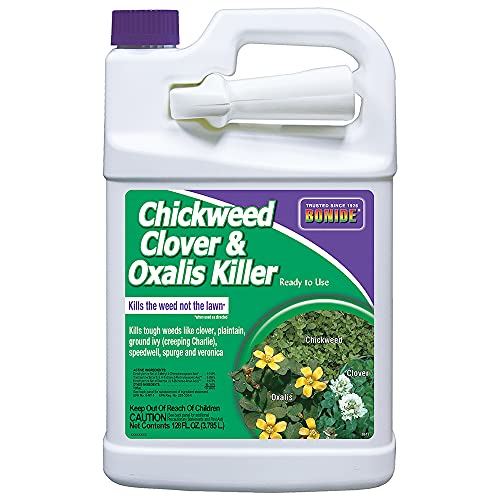
Bonide Chickweed, Clover & Oxalis Killer 128 oz Ready-to-Use
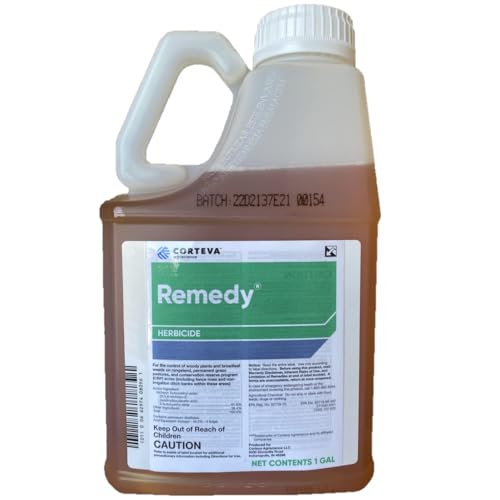
Remedy Specialty Triclopyr Herbicide Concentrate 1 Gallon

Primesource Quinclorac 1.5L Select Crabgrass Killer 64 oz

Scotts TouchUp Weed Control 24 fl oz Spray
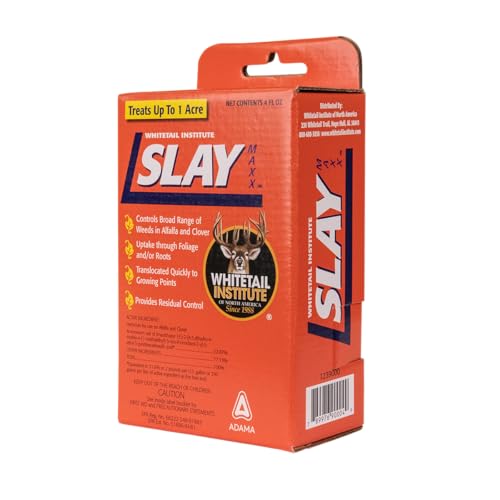
Whitetail Institute Slay Selective Broad-Leaf Herbicide
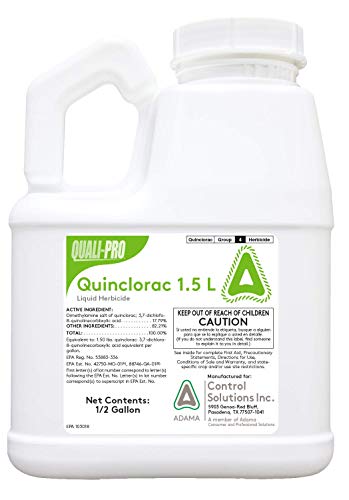
Quali-Pro Quinclorac 1.5L Half-Gallon Concentrate
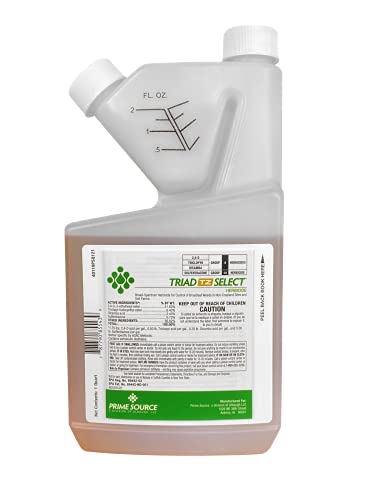
Select Source Triad TZ 4-Way Herbicide Quart
Taking A Closer Look At The Options
The 128-ounce Bonide jug sits in the shed and pulls double duty for the homeowner who only fights weeds a few times a season. Because it ships ready to spray, there’s no measuring, no surfactant math, and no leftover concentrate to store safely away from pets and kids.
It’s labeled for residential turf and targets a long list of broadleaf offenders, including chickweed, oxalis, ground ivy, and dandelion. For most suburban lawns, that coverage means one bottle handles the seasonal rotation of troublemakers instead of forcing you to buy separate products for each one.
Notable Gains
- Ready-to-spray format removes mixing guesswork for casual users.
- Broad label covers clover plus chickweed, oxalis, and other stubborn broadleaf weeds.
- Systemic action moves through leaves to reach roots for longer-lasting suppression.
- Large 128-ounce volume suits medium lawns where a small bottle disappears fast.
Worth Noting
- Trigger sprayers tend to tire the hand during long sessions, so a pump sprayer refill may be worth owning.
- Coverage is slower than concentrated quinclorac blends on heavy infestations.
- Bottle storage takes up shelf space compared with a small concentrate bottle.
Who Should Grab It
Homeowners with a quarter-acre lawn who want a no-mix, grab-and-spray routine for scattered clover patches.
Look Elsewhere When
Treaters managing a half-acre or more of turf get better value per ounce from Primesource Quinclorac 1.5L Select.
Remedy Ultra is built for acreage, not a backyard putting green. The triclopyr-based concentrate targets woody brush, encroching saplings, and broadleaf weeds along pasture edges and fence lines.
It can be sprayed solo or tank-mixed with companion herbicides, giving experienced operators flexibility across different weed complexes. For rangeland restoration where white clover creeps into thin sod, the systemic root action reaches into the crown better than surface-burn contact killers.
Everyday Wins
- Triclopyr concentrate handles brush and broadleaf weeds in one pass.
- Mixes cleanly with companion herbicides for custom tank blends.
- Low-odor profile compared with older phenoxy formulations.
- Long residual activity reduces repeat trips across large pastures.
Trade Offs
- Restricted-use mindset: applicators typically need proper PPE and label familiarity before spraying.
- Not formulated for residential lawn turf, so it can damage desirable grasses if misapplied.
- One gallon is heavy and awkward to pour when mixing partial loads.
Key Product Details
Built With In Mind
Ranchers and land managers clearing brush along pasture edges where clover competes with forage grass.
Reach For A Different Pick When
Homeowners spraying a small lawn should pick Scotts TouchUp Weed Control instead, since it ships ready to use.
Primesource’s quinclorac concentrate is the workhorse that lawn-care companies reach for across large residential accounts. Quinclorac is a selective herbicide that controls certain grasses and broadleaf weeds while leaving cool-season turf like fescue and Kentucky bluegrass largely intact.
The label allows application from seven days before seeding up to 28 days after emergence on selected weeds, giving flexibility during renovation windows. If you maintain a half-acre or more of mixed turf, the 64-ounce bottle mixes enough spray volume to cover the property in a single session.
Reasons It Performs
- Selective chemistry spares common cool-season lawn grasses when applied correctly.
- Concentrate format lowers cost per square foot versus ready-to-spray jugs.
- Seeding window flexibility helps during fall overseeding projects.
Points To Keep In Mind
- Quinclorac alone may not cover every broadleaf, so a second product is sometimes needed for full-spectrum cleanup.
- Spray equipment must be calibrated accurately; over-concentration can yellow turf tips.
- Bottle requires cool, dry storage to preserve shelf life between seasons.
Right Fit For
Lawn-care operators and serious DIYers maintaining larger residential turf where cost efficiency and selective control matter.
Swap It Out When
Property owners who want a quick spot spray without measuring should pick Bonide Chickweed, Clover & Oxalis Killer 128 oz Ready-to-Use.
Scotts TouchUp is the simplest entry point for someone who’s never sprayed a herbicide before. The 24-ounce bottle fits in one hand and targets three of the most complained-about lawn weeds: dandelion, clover, and crabgrass.
For most first-timers, the appeal is the absence of measuring cups or surfactant charts. You point, you spray, you walk away. The trade-off is that the small bottle empties fast on anything beyond a tiny yard.
Practical Advantages
- Compact ready-to-use format eliminates mixing for new applicators.
- Targets the three broadleaf and grassy weeds homeowners ask about most.
- Lightweight bottle is easy to carry during spot walks around the yard.
Honest Caveats
- 24-ounce volume runs out quickly on properties with more than a few weeds.
- Not available for shipment to Hawaii, so island residents need an alternative.
- Limited weed spectrum compared with broader 4-way or quinclorac concentrates.
Made For
First-time herbicide users treating a handful of weeds in a small lawn who value simplicity over coverage.
Where Another Pick Suits Better
Anyone dealing with thick clover mats across a larger lawn should pick Bonide Chickweed, Clover & Oxalis Killer 128 oz Ready-to-Use for better volume.
Whitetail Institute Slay lives in its own lane: food plots managed for deer forage. The product is specifically developed to clear broadleaf weeds from clover, alfalfa, and chicory stands without wiping out the seedlings the plot was planted for.
Timing matters. You spray in spring or early summer when broadleaf weeds are pushing new growth, and you add a surfactant or crop oil to the mix for proper leaf absorption. ATV and tractor-mounted sprayers both work, so application scales from half-acre plots to multi-acre hunting properties.
Everyday Perks
- Selective formula protects clover and alfalfa seedlings from damage.
- Compatible with common farm sprayers including ATV-mounted units.
- Spring and early-summer timing aligns with natural weed emergence cycles.
Small Caveats
- Must be tank-mixed with a surfactant or oil additive, an extra purchase.
- Spraying emerging seedling clover or alfalfa will damage the crop you’re trying to grow.
- Specialty positioning means it’s overkill for a standard home lawn.
Who Will Love This
Land managers and hunters maintaining deer food plots where broadleaf weeds crowd out forage clover.
A Better Fit Elsewhere
Homeowners chasing clover out of a lawn should reach for Quali-Pro Quinclorac 1.5L, which lists white clover on its label.
Quali-Pro’s 1.5L bottle is a half-gallon of professional-grade quinclorac concentrate marketed for golf courses, sod farms, and serious turf managers. Unlike most crabgrass killers, this label lists hop clover, red clover, and white clover among the weeds it controls.
The 17.79 percent quinclorac load translates into strong control of crabgrass, foxtail, bindweed, dandelion, and several speedwell species at one application rate. If you manage large turf areas and need predictable chemistry across multiple weed types, this jug earns its shelf space.
A Favorable Mix
- Label explicitly lists white, red, and hop clover for direct treatment decisions.
- Half-gallon volume scales to commercial or multi-acre turf applications.
- Strong crabgrass and broadleaf coverage from a single active ingredient.
- Suitable for residential, non-residential, golf, and sod-farm turf.
Less Ideal Details
- Professional positioning means the bottle is larger than most homeowners need.
- Sprayer calibration is essential: mis-mixed loads can stress desired turf.
- Concentrate storage requires a cool, dry, locked location away from children.
Feature Snapshot
Whose Shelf It Belongs On
Turf professionals and acreage owners who want explicit clover control from a single concentrated herbicide.
Skip It When
Small-lawn owners will over-buy; Select Source Triad TZ is a tighter quart option for residential use.
Triad TZ packs four active ingredients and two modes of action into a quart-sized concentrate, which is the standard format for cool-season lawn rescue work. “Post-emergent” means it goes on after weeds are visible rather than as a pre-treatment.
The four-way blend broadens the kill spectrum so you handle clover alongside dandelion, plantain, and chickweed in one pass. Weed growth typically halts within hours and full kill follows in one to four weeks, depending on temperature and species.
The Value In It
- Four active ingredients attack weeds through multiple chemical pathways.
- Post-emergent format targets visible outbreaks without pre-treatment scheduling.
- Quart bottle suits mid-size lawns without oversupply waste.
Factors To Consider
- Quart size is still small for properties over an acre; refills become routine.
- Two modes of action means careful label reading to avoid tank-mix conflicts.
- Warm-season turf species may show sensitivity, so check the label before spraying.
Perfect Match For
Cool-season lawn owners tackling mixed broadleaf infestations across a medium-sized yard in a single spray session.
Not Your Match When
Acreage managers running ATV sprayers will want the larger Quali-Pro Quinclorac 1.5L for fewer refill stops.
What Matters Most Before Choosing Herbicides For White Clover
Match The Product To The Setting
Residential lawns, food plots, and pasture rangeland all face different weed pressure and turf tolerance. Selective herbicides like quinclorac and four-way blends spare desirable grass species, while brush-control concentrates like Remedy Ultra are designed for non-lawn areas. Choosing by setting first prevents accidental damage to the grass you’re trying to keep.
Selective Versus Non-Selective Chemistry
Selective herbicides target specific weed types while leaving surrounding plants alive. Non-selective options kill nearly any green plant they touch. For white clover creeping through a desirable lawn, selective chemistry is the safer route, since it limits collateral damage to fescue, bluegrass, or ryegrass.
Application Format And Effort
Ready-to-use trigger sprays work well for spot treatment, but require constant squeezing. Concentrates cost less per ounce and cover more ground, yet they demand measuring cups, surfactant mixing, and dedicated sprayers. Picking the format that matches your tolerance for prep work keeps the job from feeling like a chore.
Timing And Seasonal Windows
Most broadleaf herbicides work best when weeds are actively growing in spring or early fall. Cool, dormant weeds absorb far less chemistry, and summer heat can stress desirable turf during application. Aligning the spray with active growth windows turns a marginal result into a clean kill.
Picking Smart Across These Formulas
Pitfalls Shoppers Hit
Treating clover with a non-selective herbicide is the most common lawn mistake, since it browns the surrounding turf along with the weed. Skipping surfactant on concentrates like Whitetail Institute Slay is another frequent miss, because the active ingredient struggles to penetrate waxy leaf surfaces without it. Reading the label before mixing protects both your grass and your time.
Where The Extra Money Goes
Professional-grade quinclorac concentrates like Quali-Pro and Primesource cost more because the active ingredient load is higher and the formulation is engineered for predictable results across multiple weed species. The upgrade pays off on larger lawns and acreage, where spot-spray bottles force constant refills and uneven coverage. For a small patch, the cheaper jug already does the job, so paying up makes sense only when scale or weed diversity demands it.
Frequently Asked Questions
When Is The Best Time To Spray White Clover?
Spring and early fall are the strongest windows, since plants are pushing new growth and absorb herbicide efficiently through leaves and stems. Avoid dormant winter months or peak summer heat for the cleanest results.
Will These Herbicides Harm My Lawn Grass?
Selective formulas like quinclorac and four-way blends are designed to spare cool-season turf when applied at label rates. Always confirm your specific grass type on the product label before spraying.
Do I Need A Surfactant For Best Results?
Surfactants and crop oils help herbicide stick to waxy leaves and improve absorption on tougher species. Selective food-plot products like Whitetail Institute Slay explicitly require a surfactant mix, while many lawn blends include wetting agents in the formula.
How Long Until I See Results On Clover?
Visible wilting can appear within hours on fast-acting blends like Triad TZ, but full kill typically takes one to four weeks depending on weather and weed maturity. Repeat applications may be needed for established root systems.
Can I Seed New Grass After Spraying?
Seeding windows vary by product. Quinclorac concentrates allow seeding from seven days before application through 28 days after emergence on certain weeds, while other herbicides require longer waiting periods. Check each label for specific reseeding instructions.
Wrap Up
The right herbicide depends on your turf type, lawn size, and tolerance for mixing. Spot-treaters with small yards do well with ready-to-use sprays, while acreage and pasture owners benefit from concentrated formulas with broader weed spectrums. Match the product to your setting, follow the label, and white clover loses its foothold over a couple of seasons.
