

A healthy hibiscus asks for a surprisingly specific diet, and most generic garden fertilizers get the ratio wrong. Tropical bloomers crave a balanced but bloom-leaning feed, with steady nitrogen, modest phosphorus, and just enough potassium to keep flower color and stem strength up. The picks below cover established dry formulas, a bloom-booster hybrid, and a trio of liquid options that scale from a single patio pot to a full hedge. Each one was evaluated on N-P-K balance, ease of application, container compatibility, and how realistically it fits a typical backyard routine.
The Shortlist At A Glance

Fertilome (13045) Hibiscus & Tropical Plant Food 17-7-10, 3.25 lbs
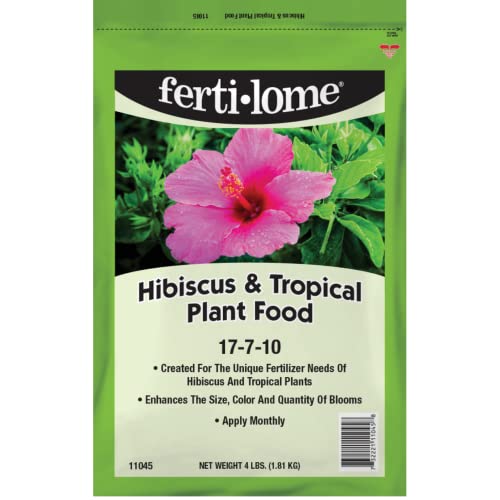
Fertilome (11045) Hibiscus & Tropical Plant Food 17-7-10, 4 lbs
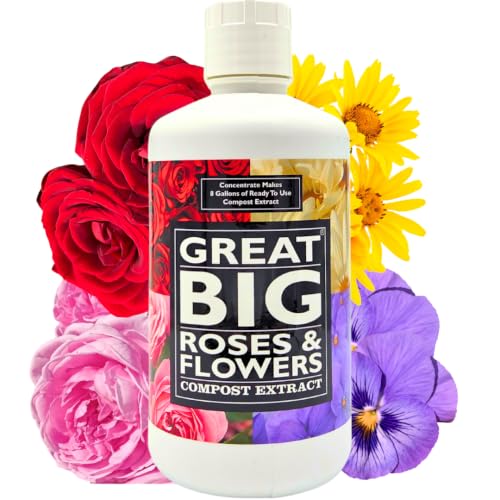
Great Big Roses Fertilizer Booster for Rose & Flower Gardens, 32 Ounce

Carl Pool BR-61 Plant Food 9-58-8 3 Lbs

TPS NUTRIENTS Hibiscus Fertilizer Liquid Plant Food, 8 oz

TPS NUTRIENTS Hibiscus Fertilizer Liquid Plant Food, 32 oz

TPS NUTRIENTS Hibiscus Fertilizer Liquid Plant Food, 1 Gallon

TPS NUTRIENTS Plumeria Fertilizer Liquid Plant Food, 8 oz
Inside Each Recommended Option
This 3.25-pound bag from Fertilome is sized for someone starting out with a patio collection of two or three potted hibiscus. The 17-7-10 ratio leans on nitrogen to push out foliage and bud count, with a measured dose of phosphorus to set flowers and a potassium tier that helps stems stay firm through summer storms.
It’s a dry granular, so you sprinkle, scratch into the top inch of soil, and water it in. For a gardener who only wants to feed every couple of weeks, the schedule stays simple. Compared to the liquid options later in the list, this one trades convenience for a longer shelf life and a lower per-feeding cost.
Practical Advantages
- 17-7-10 ratio is purpose-built for tropical bloomers, so you skip the guesswork of generic all-purpose feeds.
- Granular format means no measuring cups, no splash risk, and a longer storage life than liquids.
- Smaller bag fits neatly in a garage shelf or potting bench without taking over the space.
- Per-application cost runs lower than most liquid concentrates, which helps when feeding multiple plants.
Points To Keep In Mind
- Granular fertilizer takes longer to show visible results than a liquid drench, so expect a few weeks before a noticeable bloom shift.
- Without a spreader or careful hand, it’s easy to over-apply near the trunk, which can scorch tender roots in small pots.
Right Fit For
New hibiscus owners with a small patio setup who want a forgiving, low-maintenance dry feed and don’t mind a slow build-up.
Reach For A Different Pick When
The TPS NUTRIENTS Hibiscus Fertilizer Liquid Plant Food 8 oz suits you better when you prefer mixing a liquid into your watering can for faster uptake.
The 4-pound version of the same Fertilome formula is the same trusted ratio, just in a larger container that rewards a more established garden. If you’ve got a hedge row or a full bed of hibiscus, the bigger bag means fewer restock trips across the growing season.
Like its 3.25-pound sibling, this is a granular that you work into the soil around the drip line. For a gardener who has already dialed in the 17-7-10 feeding rhythm, the upgrade is purely about volume. The catch is that you’ll want a sealed bin to keep the granules from clumping in a humid garage.
Well-Handled Touches
- Larger volume lowers the per-pound cost for a gardener feeding multiple plants every other week.
- Identical 17-7-10 ratio means no recalibration if you’re switching up from the smaller Fertilome bag.
- Granular format stores well in a dry corner, ready for the full summer feeding cycle.
Worth Noting
- Heavier bag is awkward to haul back from the car in one trip, so plan a helper or a wheelbarrow.
- Same slow-release profile as the smaller bag, so don’t expect a faster bloom response than Item 1.
Best Suited To
Gardeners running a row of landscape hibiscus or a sizeable container cluster who want one bag to cover the whole season.
Swap It Out When
The Carl Pool BR-61 Plant Food 9-58-8 fits better when your plants are already leafy and you want a targeted mid-season bloom push.
Great Big Plants positions this 32-ounce booster as an amplifier for whatever fertilizer you already use, and that’s the right frame. It works into the root zone and helps unlock nutrients already sitting in the soil, so it’s a complement rather than a replacement for a base feed.
In a mixed bed of roses and hibiscus, the same bottle covers both, which is handy for gardeners who don’t want to keep two separate products on the shelf. The 32-ounce size is generous enough for several applications across a small bed, and the liquid format mixes easily into a watering can.
What Helps Most
- Designed to work alongside your existing fertilizer, not replace it, so it’s an additive rather than another routine to learn.
- Works across roses, hibiscus, and other flowering shrubs from the same bottle, reducing shelf clutter.
- Liquid concentrate mixes quickly into a watering can for a faster drench than dry granulars.
Some Limits To Know
- It’s a booster, not a standalone feed, so you’ll still need a base fertilizer like the Fertilome granular for full nutrition.
- Smaller 32-ounce bottle can run out fast on a large property with multiple flowering beds.
Made For
Garden owners with established rose and hibiscus beds who want to push more blooms out of their existing feeding program without rebuilding it.
Not Your Match When
The TPS NUTRIENTS Hibiscus Fertilizer Liquid Plant Food 32 oz is the better fit when you want a single, dedicated hibiscus feed instead of a multi-purpose booster.
Carl Pool’s BR-61 is a different animal from the rest of this list. The 9-58-8 ratio is phosphorus-dominant, which makes it a bloom booster and starter feed rather than an all-season maintenance product. Phosphorus is the nutrient plants use to set buds and push out flowers, so the high middle number is doing real work during bloom stage.
Available in 3-pound packs and bundle sizes, it’s a granular you work into the soil at the base of the plant and water in thoroughly. In our view, the right time to reach for it is mid-season, when the leaves are healthy but the flower count has stalled. That’s the gap this product is built to close.
The Helpful Details
- High-phosphorus 9-58-8 ratio targets the bloom stage specifically, which is exactly when many hibiscus routines stall.
- Works as a starter feed for new transplants, helping root development before the foliage takes off.
- Granular format lets you control the dose by pinching exactly what each plant needs.
Trade Offs
- Low nitrogen means it can’t carry a plant through a full season on its own, so pair it with a maintenance feed.
- Granular needs thorough watering-in to avoid root burn, especially in container-grown plants.
Whose Shelf It Belongs On
Experienced gardeners who already have a base fertilizer and want a targeted boost when bloom counts start to drop off.
Look Elsewhere When
The Fertilome (11045) Hibiscus & Tropical Plant Food 4 lbs is the safer pick for a single-product, season-long feeding plan.
The 8-ounce bottle from TPS NUTRIENTS is the smallest liquid option in the lineup, sized for a single hibiscus in a patio pot or a couple of small container plants. It’s a concentrate, so a little goes into a watering can and gets drenched into the root zone at feeding time.
Liquid feeds are absorbed faster than granulars, which is helpful when a plant looks tired and you want a visible response within a week or two. The compact bottle is also easy to store on a small balcony where a 4-pound bag would dominate the available space. For a first-time grower dipping into liquid feeding, this is the lowest-friction way to start.
Where It Excels
- Liquid concentrate feeds through the root zone quickly, so you can see a response within a couple of weeks.
- Compact 8-ounce bottle fits on a small balcony shelf without crowding other supplies.
- Mixes into a standard watering can, so there’s no special applicator to buy or clean.
Trade-Offs To Consider
- Small bottle runs out quickly once you move beyond a single plant, so a multi-plant garden may want a larger size.
- Liquid format has a shorter shelf life than dry granulars once opened, depending on storage conditions.
Key Specs
Who Should Grab It
First-time hibiscus growers with one or two patio pots who want a low-commitment liquid feed to test the routine.
Consider Something Else When
The TPS NUTRIENTS Hibiscus Fertilizer Liquid Plant Food 32 oz makes more sense once you know liquid feeding works for you and you’re ready to scale up.
The 32-ounce bottle is the mid-tier in the TPS NUTRIENTS liquid line, sitting between the starter 8-ounce and the 1-gallon bulk format. For a backyard with three to six hibiscus in containers, this is the bottle that lands in the right zone, big enough to last a full growing season without being wasteful.
It’s the same formula as the smaller and larger sizes, so you can step up or down within the line without recalibrating your mixing ratios. For gardeners who already trust the brand’s 8-ounce bottle and want more runway, the 32-ounce is the natural next stop.
A Few Strong Suits
- Mid-size bottle covers a small patio collection through a full bloom season without constant refills.
- Same formula as the rest of the line, so moving up from the 8-ounce requires no new mixing routine.
- Liquid format is forgiving for container-grown plants that need frequent, light feedings.
Honest Caveats
- Heavier bottle is awkward to pour one-handed, so a small funnel helps avoid spills.
- Liquid concentrate can stain concrete if spilled, so mix over a bucket or grassy area.
Who It Suits Best
Container gardeners with a handful of hibiscus on a patio or deck who want a season’s worth of liquid feed in one bottle.
Where A Sibling Pick Shines
The TPS NUTRIENTS Hibiscus Fertilizer Liquid Plant Food 1 Gallon is the right move once your collection grows past a half-dozen plants.
The 1-gallon jug is the bulk end of the TPS NUTRIENTS liquid line, built for gardeners running a serious tropical collection or a long hedge row. At this volume, you’re committing to liquid feeding as your primary routine, but the per-ounce cost drops noticeably compared to the smaller bottles.
The jug format also fits a pump sprayer or a larger watering can, which speeds up feeding across a wide bed. For a gardener with a dozen or more hibiscus who feeds every week or two through the bloom season, this is where the math starts to make sense.
Key Advantages
- Bulk 1-gallon size lowers the per-ounce cost for gardeners running a large tropical collection.
- Pours into a pump sprayer for fast coverage across a long hedge row or wide bed.
- Same trusted formula as the rest of the TPS NUTRIENTS line, scaled up without reformulation.
A Few Limitations
- Heavy jug is difficult to handle without a steady surface to set it on while pouring.
- Bulk liquid has a longer window of use once opened, so plan your feedings to use it within the season.
Spec Overview
Perfect Match For
Tropical garden enthusiasts with a long hedge row, a large collection of potted hibiscus, or a small nursery-style setup.
Skip It When
The Fertilome (13045) Hibiscus & Tropical Plant Food 3.25 lbs is a better fit for anyone feeding just a couple of patio pots.
Strictly speaking, this is a plumeria feed, not a hibiscus feed, but it earns its spot on this list for the gardener who grows both. Plumeria and hibiscus share enough of the same nutritional needs that a balanced tropical fertilizer is often the practical overlap, and this 8-ounce bottle is sized for a small mixed collection.
The formula is designed to support strong root development, steady foliage, and consistent flowering without pushing overly aggressive growth, which is useful in container-grown tropicals. For a balcony gardener with one plumeria and a couple of hibiscus, this is a sensible single-bottle solution.
Everyday Perks
- Covers plumeria and hibiscus from the same bottle, simplifying routines for mixed tropical collections.
- Liquid concentrate format gives faster visible results than dry granulars in container setups.
- Compact 8-ounce size is approachable for a first-time tropical gardener.
Less Ideal Details
- It’s tuned for plumeria first, so a hibiscus-heavy garden may be better served by a dedicated hibiscus formula.
- Small 8-ounce bottle won’t stretch far across a multi-plant collection over a full season.
Feature Snapshot
Best Suited To
Tropical plant collectors growing both plumeria and hibiscus in containers who want a single shared feed.
Where Another Pick Suits Better
The TPS NUTRIENTS Hibiscus Fertilizer Liquid Plant Food 32 oz is the stronger pick for a hibiscus-first garden that doesn’t include plumeria.
What To Weigh Before Choosing A Hibiscus Feed
A good hibiscus fertilizer matches the plant’s growth stage, your soil conditions, and how you prefer to feed. Tropical bloomers fall into two broad feeding windows: a leafy growth phase and a flowering phase, and each asks for a slightly different nutrient balance. The three numbers on the bag, called the N-P-K ratio, tell you the share of nitrogen, phosphorus, and potassium in that order.
Nitrogen drives leaf and stem growth, so a higher first number makes sense in spring. Phosphorus is the middle number, and it powers bud set and flower production. Potassium, the last number, supports overall plant vigor, root strength, and flower color. For most backyard hibiscus, a balanced ratio with a slight lean toward nitrogen, like 17-7-10, covers the whole season without constant recalibration.
Container-grown plants need lighter, more frequent feedings because nutrients leach out faster with each watering. In-ground beds hold nutrients longer, so granulars work well there, while liquid concentrates give you finer control in pots. The honest read is that the format matters less than the consistency: pick the one you’ll actually use every week or two.
If your soil is already rich and your plants are leafy but not flowering, a bloom booster with high phosphorus, like the 9-58-8 ratio on Carl Pool’s BR-61, can reset the balance. If your soil is poor or sandy, start with a balanced maintenance feed and supplement only when you see specific deficiencies.
Navigating The Hibiscus Fertilizer Aisle
Mistakes Worth Dodging
Over-fertilizing is the single most common mistake in this category, especially with concentrated liquids that look gentle in the bottle. A little goes a long way, and excess salts build up in container soil quickly, burning roots and turning leaf edges brown. Stick to the label rate, and ease back if you see leaf tip burn.
Another trap is feeding during the wrong season. Hibiscus slow their growth in cooler months, and pushing nitrogen then leads to weak, leggy growth that’s vulnerable to pests. Most granular labels and the Fertilome picks here specifically call out a lighter winter schedule for that reason. If your plant looks fine but the calendar says late fall, ease off the feed.
Where The Extra Money Goes
Stepping up to a larger or more concentrated product usually means paying for convenience, not stronger results. A 1-gallon jug of liquid feed costs more up front than an 8-ounce bottle, but the per-ounce price drops, and you avoid running out mid-season. The upgrade pays off when your garden has grown enough to actually need the volume.
Premium-tier options, like the bulk liquid and the high-phosphorus booster, also save time by combining steps. Instead of buying a base feed and a separate bloom booster, you can run a single high-phosphorus product through the bloom window and switch back to a balanced formula for the rest of the year. For a gardener with a larger collection, that consolidation is where the value shows up.
Frequently Asked Questions
How often should you feed a hibiscus?
Most hibiscus do well with feeding every two weeks during active growth, then once a month during peak bloom. The Fertilome labels here follow that rhythm, and the Carl Pool booster is a targeted mid-season add-on rather than a replacement for a base feed.
Are liquid or granular fertilizers better for hibiscus?
Both work, and the choice comes down to your routine. Granulars are lower-maintenance and store longer, which suits busy gardeners. Liquids absorb faster, which suits container plants and anyone who wants quicker visible results.
Can you use rose fertilizer on hibiscus?
In many cases, yes, especially for products designed to work across flowering shrubs. The Great Big Roses booster here is a good example: it’s marketed for roses but functions well as a complementary feed for hibiscus, provided you pair it with a base fertilizer.
What’s a good N-P-K ratio for hibiscus?
A balanced ratio with a slight nitrogen lean, like 17-7-10, is a safe starting point for most backyard hibiscus. For bloom-heavy mid-season feeding, a high-phosphorus option like 9-58-8 can help reset flower production when growth stalls.
Do hibiscus in pots need different fertilizer?
Container-grown hibiscus benefit from lighter, more frequent feedings because nutrients leach out with each watering. Liquid concentrates are easier to dose precisely in pots, which is why the TPS NUTRIENTS liquid line scales from 8 ounces to 1 gallon for exactly this use case.
The Takeaway
The right hibiscus fertilizer depends less on brand and more on how your garden is set up. Small patio pots favor a compact liquid like the 8-ounce TPS NUTRIENTS bottle, while larger beds and hedges benefit from a granular with a balanced ratio like Fertilome’s 17-7-10. The bloom-stage boost from Carl Pool fills the gap when flowers stall mid-season. Match the format to your routine, and the rest tends to take care of itself.
