

Phosphorus drives the show during bloom and root development, so choosing the right high phosphorus fertilizer can quietly transform a garden that looks tired into one that visibly outperforms. You see the payoff in stronger root anchoring, larger flower trusses, and fruit set that actually holds through summer heat. Picking the wrong formulation is just as easy, though, and too much of a good thing can lock out other nutrients. This roundup walks through eight options worth knowing, from gentle granular blends to concentrated liquid boosters.
A Side-By-Side Look
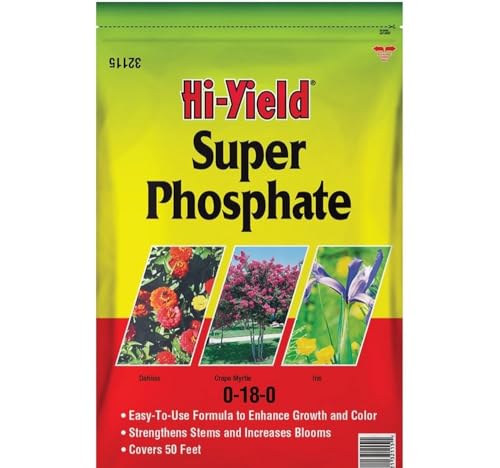
Hi-Yield Super Phosphate 0-18-0, 4 lbs

Fertilome Blooming & Rooting Plant Food 9-58-8, 8 oz

GARDENWISE 8-4-8 Acidic Fertilizer 12 oz

Cz Garden Supply Triple Super Phosphate 0-46-0

Espoma Triple Phosphate Fertilizer 0-45-0, 6.5 lb

Schultz Slow-Release Bloom Fertilizer 12-24-12, 3.5 lb

Farmer’s Secret Plant Booster 8 oz

Farmer’s Secret Plant Booster 32 oz
A Breakdown Of The Leading Choices
Hi-Yield Super Phosphate sits in the rare category of single-nutrient fertilizers, delivering 18% phosphate without the nitrogen or potassium that usually tag along. That stripped-down profile makes it a thoughtful choice when a soil test confirms phosphorus is low but the other macronutrients are still in good shape. A 4-pound bag covers a respectable stretch of bed space, and the granular texture spreads easily with a basic lawn spreader or even by hand for small plots.
The formulation feeds outdoor ornamentals, vegetables, and fruiting plants during the stages when they lean hardest on phosphorus. For most home gardens, applying it as a pre-plant amendment or side-dress during bud swell gives the strongest response. Compared with the triple-strength option reviewed later, this one trades raw concentration for a more forgiving application rate, which beginners tend to appreciate.
Where It Helps
- Pure phosphate source for targeted correction without altering nitrogen levels
- Mid-range concentration is easier to measure and less risky for new gardeners
- Granular format stores well in a cool, dry garage through multiple seasons
- Useful as a transplant starter when worked into the planting hole
Things To Consider
- A soil test is worth running before use, since excess phosphorus can lock out iron and zinc over time
- Slow to show visible results without warm soil, so patience matters in early spring
Key Specs
Who It Suits Best
Vegetable gardeners and bulb growers who want a straight phosphorus source without complicating their nutrient balance.
Consider Something Else When
Gardeners working with acid-loving shrubs may find the GARDENWISE 8-4-8 Acidic Fertilizer a better match, since it adjusts soil pH alongside feeding.
Fertilome’s 9-58-8 pushes the phosphorus number about as high as a soluble plant food gets, paired with modest nitrogen and a small dose of soluble potash. The 8-ounce container punches above its weight because it dissolves cleanly in water, so a single bottle covers dozens of feedings for a typical backyard of roses, tomatoes, and container annuals. It earns its place in a garage shelf alongside gardeners who treat bloom performance as a project.
The label suggests use as a soil drench, foliar spray, or rooting dip for new transplants, which adds flexibility that pure granular picks cannot match. You may find this versatility handy if you start a lot of cuttings or seed trays each spring. Next to the Hi-Yield entry above, this one offers faster visible uptake, though it also asks for more careful measuring to avoid burn.
The Case For It
- Very high phosphorus ratio supports aggressive bloom and root formation
- Three application modes cover soil drench, foliage spray, and transplant soak
- Compact 8 oz bottle stores easily and lasts across multiple growing seasons
- Soluble form shows visible response within days rather than weeks
Worth Noting
- Strong concentration means over-application can scorch tender roots quickly
- Mixing and measuring add a step that casual gardeners may find tedious
Made For
Active gardeners running roses, tomatoes, orchids, or any flower-heavy planting who don’t mind mixing a liquid feed on a regular schedule.
A Better Fit Elsewhere
Those who prefer a single application that lasts the season will likely prefer the Espoma Triple Phosphate Fertilizer for its granular convenience.
GARDENWISE 8-4-8 tackles two problems in one bottle: it feeds acid-loving plants while nudging soil pH downward into the range that azaleas, camellias, blueberries, and rhododendrons prefer. The 12-ounce package covers a meaningful stretch of foundation plantings, and the iron content helps prevent the yellowing between leaf veins that signals chlorosis on acid-soil species.
Where this pick differs from the rest of the roundup is intent. Most of the other entries focus on phosphorus for blooms; this one pairs moderate feeding with soil acidification. You may find it more useful than a pure bloom booster if your camellia hedge keeps pushing pale leaves despite regular feeding. The trade-off is a lower middle number on the bag, so gardeners chasing the highest possible phosphorus analysis will look elsewhere.
Strengths Worth Knowing
- Targets the specific needs of acid-loving plants in one product
- Iron and micronutrient blend helps reverse chlorosis on struggling shrubs
- Small bag size fits on a shelf and doesn’t go stale before use
Trade Offs
- Lower middle number compared to bloom-specific picks on this list
- Wrong match for alkaline-soil vegetables or Mediterranean herbs that prefer neutral ground
Best Suited To
Gardeners with established azalea, camellia, blueberry, or rhododendron plantings who want one fertilizer that handles pH and feeding together.
Look Elsewhere When
Vegetable growers chasing the heaviest tomato or pepper yields will get more from the Cz Garden Supply Triple Super Phosphate reviewed next.
Cz Garden Supply Triple Super Phosphate posts a 0-46-0 analysis, which puts nearly half the bag’s weight into plant-available phosphorus. The formulation targets indoor and outdoor flowering, fruit, herb, and vegetable plantings that show clear signs of deficiency or simply need a strong pre-bloom push. The granular consistency spreads with a standard spreader or a careful hand toss.
For larger plots or gardeners correcting a documented deficiency, the concentration means a single bag travels further than diluted alternatives. Compared with the Hi-Yield entry, this one carries roughly two and a half times the phosphorus per pound, so the application rate shrinks accordingly. The honest read is that this is a tool for gardeners willing to measure carefully rather than scatter generously.
Good Reasons To Consider
- High 46% phosphorus concentration suits serious deficiency correction
- No nitrogen or potassium means no risk of pushing leafy growth when blooms are the goal
- Granular format dissolves gradually for steady root uptake
- Works across vegetables, ornamentals, herbs, and fruiting trees
Honest Caveats
- High analysis makes accidental over-application easier than with milder options
- Slow visible response compared with liquid picks like the Fertilome entry
- A soil test really should precede use, since adding phosphorus without need causes long-term imbalance
Who Should Grab It
Experienced home growers working a sizeable vegetable patch or orchard who already understand their soil profile and want a concentrated refill.
Swap It Out When
First-time gardeners may find the Espoma Triple Phosphate Fertilizer more forgiving, since its similar analysis pairs with a friendlier application routine.
Espoma Triple Phosphate lands at 0-45-0 with a 6.5-pound bag that handles most backyard applications without needing a refill mid-season. The granular format is friendly to beginners: scatter, rake in, water, done. It targets flowering plants, trees, shrubs, and vegetables during the stages where phosphorus drives the heaviest lifting.
The Espoma name carries weight in the organic-leaning crowd, though this particular product is a conventional mineral source rather than an organic blend. Where it differs from the Cz Garden Supply pick is mainly packaging and brand familiarity, with very similar analysis on the bag. Depending on your soil, the slightly lower middle number may actually help avoid the over-application trap that high-analysis options invite.
Positive Points
- Generous 6.5 lb bag covers a large vegetable patch or shrub border
- Granular texture is easy to spread evenly without specialized equipment
- Works across a wide range of flowering and fruiting plantings
- Slow-release behavior reduces the risk of nutrient leaching
Points To Note
- Still requires measurement, since a 45% analysis can scorch if over-applied
- Not a substitute for soil testing on plots with unknown history
Feature Snapshot
Right Fit For
Mid-size home gardens with mixed ornamentals and edibles that need a reliable phosphorus boost once or twice per season.
Not Your Match When
Gardeners seeking a quick green-up alongside bloom support should consider the Schultz Slow-Release Bloom Fertilizer for its balanced NPK profile.
Schultz Slow-Release Bloom Fertilizer takes a different approach from the rest of the list, balancing 12% nitrogen, 24% phosphate, and 12% potash for a full-spectrum feeding rather than a single-nutrient punch. The slow-release coating means a single application continues feeding for weeks, which suits gardeners who’d rather feed once than track a calendar. The 3.5-pound container handles a respectable collection of containers, annual beds, and patio planters.
This is the pick for someone whose gardening time is squeezed between other commitments. The balanced NPK makes it more forgiving than pure phosphorus options if you forget exactly when you last fed. Where it differs from Hi-Yield and the Cz Garden Supply entries is the inclusion of nitrogen, which can drive leafy growth alongside blooms. For most flowering annuals that trade-off is welcome.
Standout Benefits
- Slow-release coating feeds consistently for weeks after a single application
- Balanced NPK supports both foliage and flowers in one product
- Beginner-friendly with lower risk of nutrient burn than high-analysis picks
- Works well in containers where frequent watering leaches nutrients
Less Ideal Details
- Lower phosphorus percentage per pound compared with dedicated phosphate picks
- Nitrogen component may push leafy growth if applied late in the bloom cycle
Feature Card
Whose Shelf It Belongs On
Container gardeners and patio growers who want one fertilizer that handles bloom and foliage across mixed annuals.
Reach For A Different Pick When
Vegetable plots with confirmed phosphorus deficiency need a stronger middle number, which makes the Hi-Yield Super Phosphate a sharper tool.
Farmer’s Secret Plant Booster arrives as a super-concentrated liquid that dilutes at roughly one teaspoon per two gallons of water, which makes the small 8-ounce bottle stretch across many feedings. The high phosphorus formula targets early-stage plants, so it earns its place at transplant time or during the first flush of root development in a new seedling tray.
For gardeners starting tomatoes, peppers, or annuals from seed indoors, the format works neatly into a regular watering routine. The honest read is that you trade raw bag value for convenience and rapid uptake. Compared with the larger 32-ounce sibling reviewed next, this one suits someone testing the formula without committing to a full growing season’s worth.
Points In Its Favor
- Highly concentrated formula keeps the bottle small and shelf-friendly
- Liquid uptake shows visible results faster than granular alternatives
- Drops easily into any regular watering schedule without extra steps
- Targets the early root development window when phosphorus matters most
Points To Keep In Mind
- Small bottle means frequent repurchasing for larger gardens
- Requires accurate measuring to avoid over-concentration in feed water
Feature Facts
Perfect Match For
Indoor seed starters and patio gardeners working with a small collection of pots who want a fast-acting root boost.
Where A Sibling Pick Shines
Gardeners managing a full outdoor vegetable plot will get better value from the Farmer’s Secret Plant Booster 32 oz, which offers the same formula in a larger format.
The 32-ounce Plant Booster carries the same concentrated high-phosphorus formula as its smaller sibling, scaled up for gardeners who feed across a full growing season. The dilution rate stays at about one teaspoon per two gallons, so the larger bottle produces enough feed water to cover repeated applications on a vegetable patch or mixed ornamental bed. It suits anyone already sold on the formula who wants fewer reorder pauses.
For backyard vegetable plots, the bigger format makes economic sense once the early-stage transplant window has proven the product’s fit. The trade-off is storage: a 32-ounce bottle takes more shelf or shed space than the 8-ounce entry above. If your gardening involves a wide range of plant types beyond just vegetables, the Fertilome Blooming & Rooting Plant Food offers similar liquid convenience with broader plant-list flexibility.
Features That Help
- Larger format lowers the per-feeding cost for active gardeners
- Liquid form blends into watering routines without extra equipment
- Same proven high-phosphorus ratio as the trial-size bottle
- Suitable for vegetables, ornamentals, and fruiting plants during early growth
Practical Considerations
- Bottle takes up more storage space than the 8-ounce sibling
- Over-diluting wastes product; under-diluting risks root burn on sensitive species
Built With In Mind
Committed home vegetable growers and active gardeners who feed regularly through transplant and early bloom stages.
Skip It When
Trial gardeners and those with only a few pots will save money starting with the Farmer’s Secret Plant Booster 8 oz before committing to the larger bottle.
What Matters Most Before Choosing High Phosphorus Fertilizers
Match the Analysis to Your Soil Test
A soil test tells you whether phosphorus is genuinely low, modest, or already adequate. Guessing tends to overshoot, and excess phosphorus locks out iron and zinc over time. For a confirmed deficiency, high-analysis picks like Cz Garden Supply Triple Super Phosphate make sense. For maintenance feeding, a balanced 12-24-12 like Schultz often does the job without overloading the soil.
Pick a Format That Fits Your Routine
Granular fertilizers spread once and feed slowly, which suits gardeners who don’t want a calendar of feedings. Liquid concentrates like Farmer’s Secret absorb faster and show visible response within days, which suits gardeners who enjoy hands-on feeding. Slow-release coatings bridge the gap, giving weeks of steady nutrition without weekly work.
Consider the Plants You Actually Grow
Acid-loving shrubs want a fertilizer that adjusts pH alongside feeding, which is where the GARDENWISE 8-4-8 earns its place. Annual flowers and vegetables typically respond well to balanced bloom boosters like Schultz or liquid concentrates. Heavy feeders in containers often prefer slow-release formats that resist leaching from frequent watering.
Size the Package to Your Plot
A 4-pound bag covers a small bed, while 6.5 pounds handle a sizeable backyard. Concentrated liquids stretch further than they appear, but only if you commit to the regular applications they require. For most home gardeners, an honest estimate of plot size prevents both over-buying and mid-season shortages.
Key Considerations Across These Picks
Mistakes Worth Dodging
The most common trap in this category is adding phosphorus without testing first, which builds up over years and starts locking out other nutrients. The next is treating every fertilizer as interchangeable, when in reality a balanced 12-24-12 and a 0-46-0 serve very different jobs. Mixing liquid and granular schedules without tracking rates is another easy way to overfeed without realizing it.
Where The Extra Money Goes
Higher-priced options in this category typically buy concentration, format convenience, or specialty targeting. A larger bottle of concentrated liquid costs more upfront but dilutes into far more feed water. Specialty blends for acid-lovers or specific crops carry a premium because the formulation does two jobs in one product. The honest read is that the upgrade only pays off when the format or specialization matches your actual gardening situation.
Frequently Asked Questions
How often should high phosphorus fertilizer be applied during a growing season?
Most granular phosphate products get a single spring application followed by a possible mid-season side-dress, while liquid concentrates like Farmer’s Secret work into a regular watering schedule every one to two weeks. Always defer to the specific label’s application rate, since concentrations vary widely across the picks on this list.
Can high phosphorus fertilizer burn plants if overused?
Yes, especially with concentrated picks like the Cz Garden Supply 0-46-0 or the Fertilome 9-58-8. Symptoms include leaf-tip browning, sudden wilting, and a white crust on the soil surface. Diligent measuring and a baseline soil test are the simplest safeguards against burn for most home gardeners.
Is high phosphorus fertilizer safe for lawns?
Lawns generally prefer balanced NPK over pure phosphorus, since grass needs steady nitrogen for blade growth. Using a 0-18-0 or 0-46-0 on a lawn usually wastes product and may contribute to runoff concerns. A slow-release bloom fertilizer like the Schultz 12-24-12 is a closer match for lawn-adjacent beds.
Should high phosphorus fertilizer be watered in after application?
Granular products benefit from a thorough watering to move nutrients into the root zone, especially in dry weather. Liquid concentrates are already diluted and don’t need additional water beyond what the mix provides. Foliar applications of products like the Fertilome Blooming & Rooting Plant Food should dry on the leaves for a few hours before any overhead watering.
Can high phosphorus fertilizer be mixed with other plant foods?
Mixing is generally discouraged unless label directions specifically allow it, since combined concentrations can exceed what roots can safely absorb. For most home gardeners, alternating between a high-phosphorus feed and a balanced fertilizer across the season achieves the same goal with less risk.
Closing Remarks
High phosphorus fertilizers earn their place during bloom, transplant, and root-building windows, but they reward gardeners who match the product to the plant and the soil rather than reaching for the strongest bag on the shelf. Your soil test, plant list, and preferred feeding routine matter more than any single analysis number. Pick the format that fits how you actually garden, apply it carefully, and let the plants tell you what they need next season.
