

A backyard tree drops a limb in your driveway after a summer storm, or you finally decide to reclaim the hedge row that grew two feet last spring. You want a saw that starts on the first pull (or first button press), cuts cleanly without shaking your wrists numb, and lives in your garage without demanding a fuel can. This list covers homeowner chainsaws across corded, battery, and gas platforms, so you can match the tool to your yard, your tolerance for maintenance, and the size of wood you actually face.
Your Options, Compared
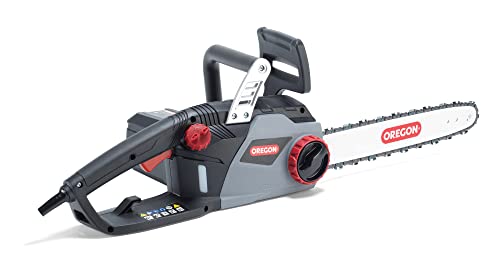
Oregon 2400W Corded Electric Chainsaw with 16″ Guide Bar

SUNCHERS 6-Inch Cordless Mini Chainsaw with 2 Batteries

DongCheng 40V 16″ Brushless Cordless Chainsaw with 2×4.0Ah Batteries

TEEANEES 6-Inch Cordless Mini Chainsaw with 21V Battery

Husqvarna 120 Mark III Gas Chainsaw, 14-Inch

Greenworks 24V 12″ Cordless Chainsaw with 4.0Ah Battery
Husqvarna 120 Mark III Gas Chainsaw, 16-Inch

Sihuird 60V 18-Inch Brushless Cordless Chainsaw with 2×6.0Ah Batteries
The Oregon CS1400 is the kind of saw you reach for when your yard sits close to an outdoor outlet and the wood is rarely thicker than a fence post. A 2400-watt motor (the wattage tells you how much power the motor draws; higher means more cutting muscle) drives a 16-inch bar, which is the long flat plate the chain rides around. That bar length handles most suburban limbing and small-diameter felling without overwhelming your grip.
You press a button and the chain spins, no choke, no fuel mix, no yanking a cord until your shoulder aches. The tool-free chain tensioner is the real convenience win; you turn a knob on the side instead of hunting for a wrench mid-cut. Compared with the gas saws later in this list, you trade unlimited runtime for a quieter, lighter experience.
Well-Handled Touches
- Push-button start removes the most common beginner frustration.
- Tool-free chain adjustment means mid-cut tightening takes seconds.
- 16-inch bar covers most yard branches without forcing a reposition.
- Corded design delivers steady power for as long as you need it.
Points To Keep In Mind
- The cord limits how far you roam from an outlet.
- Wet grass and extension cords mix poorly; routing matters.
Made For
Homeowners with a small-to-medium yard, a reachable outdoor outlet, and a preference for quiet weekends.
Consider Something Else When
You need full-yard freedom without a cord, in which case the DongCheng 40V 16″ Brushless Cordless Chainsaw fits your routine better.
The SUNCHERS mini saw treats trimming like an indoor chore. A 6-inch bar handles branches up to about wrist thickness, which covers the 90% of yard cleanup that involves sticks under 4 inches wide. Two batteries ship in the box, so one charges while the other works.
An auto oiler keeps the chain lubricated without a manual squeeze, which matters because chains that run dry stretch and dull quickly. Compared with the full-size Oregon above, you lose bar length and raw torque, but you gain a saw that fits in a kitchen drawer and weighs less than a hardcover novel. For most homeowners, that tradeoff makes weekend pruning less of a production.
A Favorable Mix
- Lightweight enough for extended overhead work without forearm fatigue.
- Two batteries extend runtime for longer cleanup sessions.
- Automatic oiler protects the chain from dry-running damage.
Trade Offs
- 6-inch bar tops out around 4-inch branches.
- Small form factor means more passes on thicker logs.
Who It Suits Best
Older homeowners, apartment dwellers with balconies, and anyone trimming ornamental shrubs rather than full trees.
Skip It When
You regularly fell trees over 6 inches thick, where the Husqvarna 120 Mark III Gas Chainsaw (14-Inch) handles that workload with much more authority.
The DongCheng sits in the middle of this list because it borrows gas-saw thinking and applies it to a battery platform. A brushless motor (one with no carbon brushes to wear out, so it runs cooler and lasts longer) is paired with two 4.0Ah batteries running in series for a 40V total. That combination tackles tree felling and storm cleanup with surprising confidence.
The 16-inch bar handles trunks a homeowner saw can realistically reach, and the tool-free tensioner keeps adjustments painless mid-job. Compared with the SUNCHERS mini saw, you give up portability and gain serious cutting depth. Owners commonly find the auto oiler needs a quick check after long sessions, since the reservoir is sized for intermittent, not marathon, use.
What Helps Most
- Brushless motor delivers strong torque with longer service life.
- Dual 4.0Ah batteries share the workload for longer runtime.
- Tool-free chain tensioning removes the wrench from the routine.
- Chain brake (a safety feature that stops the chain on kickback) adds a margin of protection during tougher cuts.
Points To Note
- Battery runtime drops fast on thick hardwood.
- Heavier than a mini saw by a meaningful margin.
Key Attributes
Right Fit For
Homeowners with a few mature trees who want gas-like cutting without gas-can maintenance.
Look Elsewhere When
Your cutting stays light and you prize a featherweight tool, in which case the Greenworks 24V 12″ Cordless Chainsaw is a more comfortable everyday carry.
The TEEANEES mini chainsaw focuses on the entry-level gardener who wants a lightweight tool that does not intimidate. The 21V battery platform is modest compared with the DongCheng’s 40V, but for branch work under 4 inches thick, the difference matters less than the saw’s one-handed balance.
Three chains ship in the box, which means a dull chain never ends your day. Swap in a fresh one and keep working. Compared with the SUNCHERS pick, you trade dual batteries for a spare chain set, useful if you let the chain stretch or hit dirt. Most first-time users find the learning curve forgiving, and storage is simple enough to keep on a garage shelf without a fuel can in sight.
The Practical Payoff
- Three spare chains extend the tool’s working life on day one.
- Compact body suits users with smaller hands or limited storage.
- Simple controls ease beginners into chainsaw ownership.
Honest Caveats
- Single battery limits continuous runtime.
- 21V system softens up against thicker hardwood.
Perfect Match For
First-time homeowners, gift shoppers, and anyone pruning small ornamental trees once a season.
Swap It Out When
You face frequent heavy limbing or storm damage, where the DongCheng 40V 16″ Brushless Cordless Chainsaw cuts deeper and runs longer between charges.
The Husqvarna 120 Mark III in its 14-inch form is the chainsaw many people picture when they think of “real” cutting. A 38-cc two-stroke engine (a lightweight engine design that mixes oil with the gas) runs through Husqvarna’s X-Torq technology, which burns fuel more efficiently and lowers exhaust emissions compared with older non-X-Torq models.
The 14-inch bar is the shortest of the gas options here, so it favors pruning and firewood prep over full felling. Compared with the Oregon corded saw, you trade instant electric starts for unlimited runtime and the freedom to roam away from any outlet. Owners commonly note the Air Injection centrifugal cleaning system, which spins dust out of the air filter before it clogs the intake, extending time between filter cleanings.
What Pays Off
- X-Torq engine balances power with reasonable fuel economy.
- 14-inch bar handles firewood rounds without excess weight.
- LowVib anti-vibration system reduces hand-arm fatigue.
- Air Injection cleaning lengthens intervals between filter service.
A Few Limitations
- Two-stroke engine requires mixed fuel and oil in the tank.
- Cold starts need the choke sequence for reliable firing.
Best Suited To
Homeowners cutting several cords of firewood a year who don’t want to manage batteries or extension cords.
Where Another Pick Suits Better
Noise ordinances or HOA rules limit gas equipment at your address, in which case the Oregon 2400W Corded Electric Chainsaw offers similar bar length without engine noise.
The Greenworks 24V chainsaw slots into the ecosystem many homeowners already own. Anyone with a Greenworks mower, blower, or trimmer on the same platform can swap batteries between tools. A brushless motor drives a 12-inch bar, sized for the kind of pruning that piles up after one growing season.
The 4.0Ah battery ships in the kit with a charger, so the saw works straight from the box. Compared with the Husqvarna gas saw above, you trade raw cutting stamina for silent operation and zero fuel mixing. Owners commonly report that the lighter 12-inch bar reduces wrist strain during overhead cuts, which matters more than bar length for routine yard shaping.
Practical Advantages
- Battery compatibility with other Greenworks 24V tools.
- Brushless motor extends runtime and motor life.
- 12-inch bar suits most trimming without excess weight.
- Push-button start removes pull-cord frustration.
Some Limits To Know
- 12-inch reach tops out around modest limbs.
- Single battery means downtime while recharging.
Feature Snapshot
Whose Shelf It Belongs On
Homeowners already invested in the 24V Greenworks platform who want a trim saw that shares batteries with the rest of their kit.
Reach For A Different Pick When
Your cutting regularly crosses 10-inch branches, where the DongCheng 40V 16″ Brushless Cordless Chainsaw offers more bar and battery capacity.
The 16-inch version of the Husqvarna 120 Mark III keeps the same 38-cc X-Torq engine as its 14-inch sibling, but stretches the bar for homeowners who fell small trees or buck larger firewood rounds. Two extra inches of bar reach sounds modest on paper, yet that gap is the difference between limbing and light felling on trunks up to about 14 inches across.
The combined choke and stop control simplifies starting, and the air purge system clears fuel-line air for reliable cold starts. Compared with the corded Oregon saw earlier in this list, the 120 Mark III adds mobility and cutting depth at the cost of noise, exhaust, and fuel mixing. Owners commonly note that this model has a slightly heavier balance than the 14-inch, so wrist endurance matters on longer jobs.
Notable Upsides
- 16-inch bar opens up light felling without stepping up to pro-grade weight.
- Combined choke/stop control speeds up cold starts.
- X-Torq engine trims fuel use compared with older two-strokes.
- Air purge system helps the carburetor prime after long storage.
Practical Considerations
- Engine maintenance (spark plug, air filter, fuel filter) is part of ownership.
- Bar oil reservoir needs refilling between long cutting sessions.
Who Will Love This
Suburban homeowners with mature hardwoods who want a single gas saw to handle both limbing and small felling.
A Better Fit Elsewhere
You need a quieter routine and stick to limbing, in which case the Oregon 2400W Corded Electric Chainsaw covers that workload with no engine to feed.
The Sihuird 60V saw is the most ambitious cordless option on this list, built for homeowners whose “weekend” includes dropping a leaning oak or bucking a full cord of oak rounds. An 18-inch bar pushes the limits of what a homeowner chainsaw should handle, and a brushless motor sustains cutting speed better than brushed equivalents under heavy load.
Two 6.0Ah batteries extend runtime significantly over the smaller packs elsewhere on the list. Compared with the Husqvarna 120 Mark III 16-inch, you trade gas-saw throttle response for instant starts and quieter operation. Owners commonly find that bar oil consumption climbs on this size of bar, so checking the reservoir before each session becomes second nature.
Where It Helps
- 18-inch bar reaches deeper into trunks than typical homeowner saws.
- Dual 6.0Ah batteries extend runtime for full-day projects.
- Tool-free chain tensioning speeds up mid-cut adjustments.
- Auto lubrication keeps the chain fed during heavy cutting.
Things To Weigh
- Larger bar demands greater respect and cleaner technique.
- Heavier than any other saw on this list, even before the batteries.
Feature Snapshot
Who Should Grab It
Homeowners managing several mature trees or routinely processing firewood in volume, who want cordless convenience without bar-length compromise.
Not Your Match When
Your work stays light and your arms prefer compact tools, in which case the TEEANEES 6-Inch Cordless Mini Chainsaw covers the basics with much less weight.
## What To Weigh Before Choosing A Homeowner Chainsaw ### Match Bar Length To Your Work Bar length is the single biggest driver of usability. A 6-inch bar handles small twigs and ornamental pruning. A 12 to 14-inch bar tackles most backyard branches and modest firewood rounds. Anything 16 inches or longer opens the door to limbing and light felling. Measure the thickest wood you realistically cut, then pick the next bar size up so you don’t strain the motor at full depth. ### Corded, Battery, Or Gas Each platform has a personality. Corded saws (like the Oregon) deliver constant power and quiet operation, but tie you to an outlet and extension cord. Battery saws (Greenworks, DongCheng, Sihuird, SUNCHERS, TEEANEES) start instantly and run quietly, with runtime scaled to voltage and amp-hours. Gas saws (both Husqvarna Mark IIIs) run indefinitely with a fuel can and reach anywhere, but require fuel mixing, pull starts, and regular engine care. ### Brushless Motors And Battery Math Brushless motors last longer and waste less energy as heat. Higher voltage and higher amp-hour ratings generally mean more torque and longer runtime. A 40V 4.0Ah pack delivers more usable cutting time than a 21V 2.0Ah pack on the same wood, though exact differences depend on wood species, chain sharpness, and how hard you push the saw. ### Safety And Comfort Features Chain brakes (Husqvarna, DongCheng) stop the chain on kickback. Automatic oilers (most picks here) keep the chain lubricated. Anti-vibration systems (Husqvarna LowVib) protect your wrists on longer jobs. These features aren’t decorative; they directly reduce fatigue and injury risk during a typical afternoon of cutting. ## Smart Choices Across This Shortlist ### Pitfalls Shoppers Hit Underestimating bar length is a common slip. A saw that handles twigs leaves you stranded when the first real branch lands in the driveway. Match bar length to your actual wood, not your optimistic future plans. Ignoring bar oil supply is another trap; running a chain dry, even briefly, dulls cutters fast. Finally, treat voltage as a proxy for capability rather than a brand promise; a 60V platform with a small battery still runs out fast under heavy load. ### The Upgrade Payoff Stepping up to a higher-tier saw like the Sihuird 60V or the 16-inch Husqvarna typically buys longer bar reach, brushless efficiency, or larger batteries that cut more wood per charge. You pay more in weight and price, in exchange for fewer battery swaps, less stall-out on hardwood, and the headroom to fell a tree rather than just limb it. For a homeowner who cuts more than a few times a season, that extra capacity quietly pays for itself in shorter workdays. ## Frequently Asked Questions ### What size chainsaw do most homeowners need? Most homeowners do well with a 12 to 16-inch bar. That range covers typical storm limbs, hedge reshaping, and small firewood rounds without overwhelming your grip. ### Are battery chainsaws powerful enough for real yard work? Modern brushless battery saws in the 40V to 60V range handle most homeowner tasks comfortably. For very heavy felling, gas still leads, but battery platforms have closed most of the gap. ### How often should I sharpen the chain? Sharpen whenever cuts start producing fine dust instead of coarse chips. For light weekend use, a touch-up every few sessions keeps the saw cutting efficiently. ### Is a mini chainsaw worth owning? A mini chainsaw earns its place for anyone trimming ornamental trees, vines, or shrubs. It does not replace a full-size saw for felling, but it makes quick cleanups far easier. ### Do homeowner chainsaws require any maintenance? All saws need chain oil, occasional chain tensioning, and a sharp chain. Gas models add spark plug, air filter, and fuel system care, while corded and battery models keep maintenance to bar, chain, and lubrication. ## Closing Remarks The right chainsaw for your home is the one that matches your wood, your tolerance for maintenance, and how often you actually cut. A quiet electric or battery saw covers most suburban needs, while a compact gas saw remains a smart choice for larger properties and serious firewood work. Pick the bar length and platform that fit your real weekends, and the rest of the cutting day takes care of itself.