

Most homeowners only reach for a chainsaw a handful of times a year, but those moments count: storm cleanup, a fallen limb, bucking firewood for the season. The right homeowner gas chainsaw starts easy, cuts clean, and doesn’t fight you halfway through the job. The wrong one bogs down, vibrates your wrists numb, or simply refuses to fire when the cold weather hits. This list narrows eight solid options to the actual decision points that matter for residential work.
Your Options, Compared

Husqvarna 130 Gas Powered Chainsaw, 16-Inch

PROYAMA 62cc Gas Powered Chainsaw

SUPMIXTOOLS 62cc Gas Chainsaw 20-Inch

DongCheng 40V 16-Inch Brushless Cordless Chainsaw

Husqvarna 120 Mark III 14-Inch
Husqvarna 120 Mark III 16-Inch

Troy-Bilt Gas Chainsaw TB4216 16-Inch
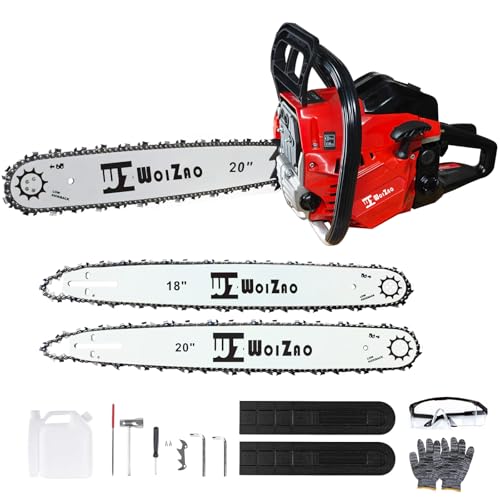
WOIZAO 58cc Gas Chainsaw with Dual Bars
Meet The Standout Selections
The Husqvarna 130 lands first because it threads a needle most residential saws miss: a 38-cc X-Torq engine (X-Torq is Husqvarna’s name for an exhaust tuning design that squeezes more work out of each drop of fuel and cuts unburned hydrocarbons) that feels powerful without becoming a handful. The 16-inch bar suits limbing, small tree felling, and bucking rounds into fireplace-sized cuts, which is the realistic workload at most homes.
Compared to the heavier-duty picks later on this list, the 130 asks less from your arms and wrists, so a longer session on a Saturday stays comfortable. The automatic oiler keeps the chain and bar lubricated without constant babysitting, and the combined choke-and-stop control simplifies cold starts. For most backyards, this is the kind of saw you can pull out of the shed, start, and trust.
The Good Stuff
- X-Torq engine is tuned for cleaner burning and better fuel economy than older two-stroke designs.
- 16-inch bar handles fence-line cleanup, small tree felling, and bucking firewood rounds in one tool.
- Automatic oiler feeds bar and chain continuously, so you don’t have to stop and hand-lubricate mid-cut.
- Lower weight class than the 62cc picks below, which keeps fatigue manageable on longer jobs.
Things To Consider
- Not built for continuous commercial work; owners commonly report the 38cc engine feels underpowered on dense, knotty hardwood rounds.
- Two-stroke engines require pre-mixed fuel and routine air-filter cleaning, which adds a small maintenance step before each season.
Who It Suits Best
Homeowners who want one dependable gas saw for seasonal cleanup, light felling, and firewood who don’t need commercial-grade muscle.
Look Elsewhere When
Step up to the SUPMIXTOOLS 62cc 20-Inch if your property has mature hardwoods or you’re regularly bucking logs over a foot in diameter.
The PROYAMA 62cc is the kind of chainsaw you reach for when “limb trimming” turns into “downed oak after a storm.” Its 62cc 2-cycle engine produces around 3.5 horsepower, which is more than enough muscle to chew through hardwood rounds that would stall a smaller homeowner-grade saw. EPA certification means the exhaust tuning meets U.S. emission rules, so it works on properties subject to local air-quality restrictions.
Where this saw separates itself from the lighter Husqvarna 130 is the 3-point spring anti-vibration system. Three spring mounts decouple the handles from the engine block, so the high-output motor doesn’t rattle your hands numb after an hour of bucking. For property owners with a few acres, a woodlot, or storm-debris cleanup on the calendar, that comfort difference shows up fast.
Everyday Advantages
- 62cc engine delivers roughly 3.5 HP, enough to keep cutting through hardwood rounds without bogging.
- 3-point spring isolation cuts vibration transfer to your hands, which matters on longer sessions.
- EPA certification keeps it compliant for use in regions with stricter emissions rules.
Worth Noting
- Heavier and longer than 38cc homeowner saws, so shorter users may find it tiring overhead.
- Two-stroke fuel mixing and a more aggressive chain mean routine maintenance is non-optional.
- Overkill for a small suburban yard where you’d mostly be limbing thin branches.
Made For
Owners with multi-acre lots, fence lines of mature trees, or regular firewood processing who want genuine cutting power.
Swap It Out When
The Husqvarna 120 Mark III 14-Inch is a better fit for someone whose cutting consists of a few small limbs each season.
The SUPMIXTOOLS 62cc brings a longer 20-inch bar to the same engine class as the PROYAMA, which matters more than the spec sheet suggests. A 20-inch bar means you can plunge-cut through larger-diameter trunks in a single pass instead of nibbling around the circumference, so felling a medium tree takes fewer awkward repositioning cuts. The full-crank 2-stroke design is engineered for smoother operation than older, half-crank layouts.
This is a working saw for a homeowner who isn’t afraid of bigger jobs. If a summer storm drops a 14-inch limb across the driveway, the 20-inch bar clears it in one cut rather than forcing you to flip the log. The trade-off is weight and noise: it’s heavier in the hands than the 16-inch Husqvarna 130 and noticeably louder. For property owners with real wood to process, that equation balances out.
What Makes Sense
- 20-inch bar reaches through larger-diameter logs in a single pass, reducing repositioning.
- Full-crank 2-stroke layout tends to run smoother and last longer than older half-crank designs.
- Low-kickback chain geometry makes the saw more forgiving for less-experienced hands.
Trade Offs
- Heavier than 16-inch homeowner saws, which can wear on shoulders during overhead limbing.
- Higher engine output means more noise, so hearing protection is essential.
- Worth it only if you actually use the extra bar length; otherwise it’s dead weight.
Key Specs
Best Suited To
Homeowners who heat with wood, manage large trees on their property, or handle post-storm cleanup with real volume.
Reach For A Different Pick When
The DongCheng 40V Cordless makes more sense for someone who values quiet operation and push-button starting over maximum power.
The DongCheng 40V is the only battery-powered pick in this lineup, and it earns its place because the way you use a chainsaw at home has changed. A brushless motor (one with no carbon brushes to wear out, so it runs cooler and lasts longer) draws power from two 20V batteries paired in series, delivering genuine cutting force through 4×4 lumber and small-to-medium limbs. There’s no pull cord, no fuel mixing, and the noise level drops to a fraction of a gas engine.
Tool-free chain tensioning is the underrated feature: adjusting chain stretch takes a twist of a knob instead of hunting for the right socket. Combined with the auto-oiler and chain brake, this saw covers the safety and convenience basics that matter for occasional residential work. Compared to the gas saws above, the honest trade-off is runtime; once both batteries drain, you wait for a recharge.
Reasons It Performs
- Push-button start removes the cold-start anxiety that catches many first-time gas saw owners.
- Dramatically quieter than any gas engine on this list, so neighbors and ear protection both win.
- Tool-free chain tensioning means no socket set required for routine chain adjustments.
- Zero engine maintenance: no spark plugs, no air filters, no fuel mixing.
Points To Note
- Limited by battery runtime; you may need a second charged pair for a long session.
- Less raw power than the 62cc gas saws for sustained hardwood cutting.
Key Specs
Perfect Match For
Suburban homeowners who want quiet operation, easy starts, and minimal maintenance for light-to-moderate yard work.
Consider Something Else When
Pick the SUPMIXTOOLS 62cc 20-Inch instead if you regularly fell trees or process firewood by the cord.
The Husqvarna 120 Mark III 14-inch is the most approachable gas chainsaw on this list, and it shows in the details. The 38cc X-Torq engine is the same platform as the larger Husqvarna 130, but the shorter 14-inch bar keeps the saw lighter and easier to maneuver. For someone cutting limbs off a fruit tree or trimming a privacy hedge down to size, the smaller bar is genuinely easier to control.
LowVib technology (Husqvarna’s anti-vibration system that uses rubber dampers between the engine and handles) keeps the saw comfortable enough for someone who doesn’t use a chainsaw every weekend. Air Injection centrifugal cleaning extends engine life by spitting out dust and debris before they reach the air filter, which matters for homeowners who don’t plan to tear down a carburetor every spring. Compared to the 16-inch 120 Mark III below, this version trades a couple inches of reach for less arm strain.
Well-Handled Touches
- 14-inch bar keeps the saw light and maneuverable for overhead limbing work.
- LowVib dampers reduce hand-arm vibration, a real benefit on longer pruning sessions.
- Air Injection system extends air-filter life between cleanings.
- X-Torq engine delivers better fuel economy and lower emissions than older 2-stroke designs.
Less Ideal Details
- 14-inch bar can’t reach through larger logs; expect to flip and re-cut for firewood rounds over 10 inches.
- Still requires 2-stroke fuel mixing, which adds a step before each use.
Key Specs
Who Will Love This
First-time chainsaw owners, smaller-property homeowners, and anyone whose cutting is mostly pruning rather than felling.
A Better Fit Elsewhere
Step up to the Troy-Bilt TB4216 if you want similar ease-of-use but with a longer bar for firewood duty.
The 16-inch 120 Mark III is essentially the same saw as the 14-inch model above, just with a longer bar that opens up a wider range of cuts. For homeowners who want the Husqvarna brand reliability but plan to handle slightly bigger material, this version splits the difference nicely. It still uses the 38cc X-Torq engine, so weight stays manageable even with the added bar length.
The Air Injection centrifugal air cleaning and combined choke/stop control make cold starts less of a wrestling match, which is a real quality-of-life gain for occasional users. Compared to the heavier PROYAMA and SUPMIXTOOLS picks, this saw asks less from your body, which matters when you’re not used to running a saw all afternoon.
Notable Upsides
- 16-inch bar reaches through firewood rounds and limbs up to that diameter in one pass.
- Combined choke/stop control simplifies starting and reduces engine flooding risk.
- Air Injection system extends intervals between air-filter cleanings.
- Lower weight than 62cc picks makes overhead work less tiring.
Possible Compromises
- Still underpowered for sustained hardwood bucking compared to 62cc options.
- 2-stroke fuel mixing required, plus seasonal chain sharpening.
Right Fit For
Homeowners who want one reliable, mid-sized gas saw for a mix of limbing, pruning, and light firewood cutting.
Where Another Pick Suits Better
The DongCheng 40V Cordless fits better when low noise and zero maintenance matter more than maximum power.
The Troy-Bilt TB4216 sits in a sweet spot for homeowners who want more muscle than a 38cc saw without jumping to a full 62cc workhorse. The 42cc full-crank 2-cycle engine produces noticeably more torque than smaller homeowner models, and SpringAssist technology reduces the pull force needed on the starter cord. For someone who’s ever given up on starting a stubborn chainsaw, that single feature is worth its weight.
The 16-inch low-kickback chain handles firewood rounds and limb removal without overreaching. The inertia-activated chain brake stops the chain in milliseconds if kickback occurs, a meaningful safety net for less-experienced operators. Where it differs from the Husqvarna 120 Mark III is mainly in the starting system and slightly more powerful engine, making it a thoughtful middle-ground choice.
Where It Delivers
- SpringAssist starter takes a chunk of pull-force off the recoil cord.
- 42cc full-crank engine has more torque than 38cc homeowner-class saws.
- Inertia-activated chain brake adds an important safety layer.
- 3-point anti-vibration handles reduce hand fatigue over longer work sessions.
A Few Limitations
- 16-inch bar limits single-pass cuts compared to 20-inch options.
- Still requires fuel mixing and routine chain maintenance.
Key Specs
Built With In Mind
Homeowners who want a balance of easier starts, more power than entry-level saws, and a familiar brand for weekend property work.
Not Your Match When
Skip toward the WOIZAO 58cc Dual-Bar if you regularly switch between detail trimming and bigger felling cuts.
The WOIZAO 58cc earns its spot at the end of the list by solving a problem no other saw here addresses: switching between an 18-inch bar for detail work and a 20-inch bar for heavy felling without buying two saws. The quick-switch system lets you swap bar lengths on the job, so you’re not carrying extra weight on every cut. The 58cc engine produces around 3.4 horsepower, with engine speeds reaching roughly 10,500 rpm for consistent cutting through dense wood.
This is the pick for property owners with varied cutting needs. One morning you might be pruning ornamental trees, the next you’re clearing a fallen pine after bad weather. Compared to the single-bar saws above, the dual-bar setup trades a slightly higher price for genuine versatility. The low-kickback chain geometry keeps the saw forgiving on both bar sizes.
What It Does Well
- Two bar lengths in one saw, so you can switch from limbing to felling without a second tool.
- 58cc engine delivers around 3.4 HP, plenty for sustained hardwood cutting.
- Quick-switch hardware saves the time and tools of traditional bar swaps.
- Low-kickback chain geometry reduces risk on both bar configurations.
Things To Weigh Up
- Heavier than single-bar homeowner saws, so arm fatigue is a factor on long sessions.
- Storing two bar-and-chain sets takes more shelf space than a standard saw.
Key Specs
Whose Shelf It Belongs On
Property owners who face genuinely varied cutting work and want one saw that adapts to both small and large jobs.
Where A Sibling Pick Shines
The PROYAMA 62cc is a better fit if you’d rather have one fixed bar and maximum power per pound for acreage work.
What Matters Most Before Choosing Homeowner Gas Chainsaws
Engine Size And Bar Length Trade Together
Engine displacement (measured in cubic centimeters or “cc”, the total volume swept by the pistons) and bar length should match the work you actually plan to do. A 38cc engine with a 14-inch bar is plenty for pruning and small limbs. Stepping up to a 62cc engine paired with a 20-inch bar makes sense when you’re felling trees or bucking large firewood rounds. The trap is buying a long bar for a small engine, which bogs the motor down and wears it out faster.
Vibration And Weight Define Comfort
The honest truth about homeowner chainsaws is that comfort matters more than peak horsepower for occasional use. Anti-vibration systems (springs or rubber mounts that decouple the handles from the engine) and a lighter powerhead keep you cutting longer without numb hands. If you’re picking between two saws with similar power, the one with vibration damping usually wins over a season.
Safety Features Aren’t Optional
A chain brake (a mechanism that stops the chain within milliseconds if kickback occurs) and a low-kickback chain should be non-negotiable on any homeowner saw. Inertia-activated brakes, like the one on the Troy-Bilt TB4216, react even faster than manual designs. Combined with proper protective gear, these features make the difference between a close call and a trip to the ER.
Maintenance Realities Of Gas Power
Two-stroke gas engines need pre-mixed fuel, periodic air-filter cleaning, and spark plug checks. That’s not a deal-breaker, but it’s the real cost of ownership beyond the purchase price. If you’d rather skip that whole routine, the DongCheng 40V cordless saw trades runtime limits for genuinely zero engine maintenance.
Key Considerations Across These Picks
Common Buying Mistakes
Choosing the biggest bar you can afford often backfires for residential users. A 20-inch bar on a 38cc engine is a recipe for stalled cuts and premature wear. Another frequent misstep is ignoring weight and vibration ratings; a saw that’s powerful on paper but exhausting to hold quickly ends up in the garage. Match the saw to your most common job, not your biggest fantasy project.
Why Higher-Tier Models Cost More
The jump from a 38cc homeowner saw to a 62cc workhorse brings a full-crank engine, longer service intervals, and anti-vibration engineering that pays off over years of use. Premium-tier saws also tend to use better-balanced rotating assemblies, which is why the higher displacement picks here run smoother at full throttle. For occasional light work, the extra cost isn’t worth it. For serious property maintenance, it usually is.
Frequently Asked Questions
How Often Should I Sharpen A Homeowner Chainsaw Chain?
A homeowner chain typically needs sharpening every few hours of cutting, or sooner if you hit dirt and notice fine dust instead of wood chips. Keeping a spare chain on hand lets you swap and sharpen later.
Is A 16-Inch Bar Enough For Most Homeowners?
For most residential work, including limbing, small tree felling, and firewood rounds under 14 inches, a 16-inch bar handles the job comfortably without excess weight.
What’s The Difference Between A 2-Cycle And 4-Cycle Engine?
A 2-cycle engine fires every revolution and needs oil mixed into the fuel, while a 4-cycle engine uses separate oil and fuel systems. Most homeowner gas chainsaws use 2-cycle designs for their power-to-weight advantage.
Can I Use A Chainsaw In The Rain?
Dry conditions are strongly recommended. Wet bark reduces chain grip and increases kickback risk, and moisture can affect engine performance on gas models.
How Do I Store A Gas Chainsaw Over Winter?
Drain the fuel or run the saw dry, clean the air filter, and store the saw in a dry place with the chain lightly oiled to prevent rust.
Closing Thoughts
The best homeowner gas chainsaw is the one that matches your property, your strength, and your typical project. Start with the workload: light pruning calls for a compact 14- or 16-inch saw, while serious woodcutting rewards the heavier 62cc options. Comfort and safety features will determine whether you actually enjoy using it, so don’t underestimate vibration control and chain brakes. Pick the saw that fits your real weekend, not the one with the biggest spec sheet.
