Walking past a sad pothos with yellowing leaves, most plant parents reach for fertilizer or more water. The real culprit is usually the medium the roots sit in. A quality houseplant soil drains fast enough to keep roots breathing, holds enough moisture to stay hydrated between drinks, and feeds gently without burning tender growth. Match the mix to the plant in front of you and most of the common indoor problems melt away. Here are eight options worth your attention this year, from beginner-friendly all-rounders to chunky aroid blends that thrive on airflow.
Most plant parents tend to a shelf of mixed species: a pothos here, a peace lily there, maybe a snake plant in the corner. That kind of collection asks for a flexible base, and Miracle-Gro’s organic indoor blend fits the brief without overthinking it. Coir increases moisture capacity while sphagnum peat moss steadies water release, so the medium forgives the occasional forgotten watering without turning sour at the root zone.
A 16-quart bag covers a meaningful round of repotting, so you won’t run dry mid-project. For beginners building confidence with a mixed indoor garden, this is the bag that gets opened first.
The Value In It
✓Coir and sphagnum peat moss balance moisture for typical houseplants
✓Quick-start natural fertilizer eases transplants into their new pot
✓Generous 16-quart volume handles several repots in one go
✓Widely available in garden centers for easy restocking
Things To Consider
•Coarser aroids like monsteras may need added perlite or bark for airflow
•Bag weight is significant; store the remainder somewhere dry
Who It Suits Best
Plant parents with a varied indoor collection who want one dependable bag to reach for across most species.
A Better Fit Elsewhere
If your shelf leans heavily toward monsteras and philodendrons, Gardenera’s Premium Monstera Potting Soil gives those aroid roots the chunkier structure they prefer.
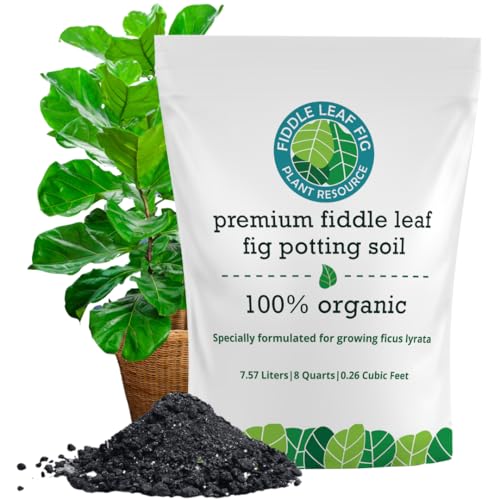
Fiddle leaf figs have a reputation for drama, and most of the brown spots people blame on watering trace back to compacted medium. This blend tackles the real issue with aged bark for structure, green compost for steady nutrition, and biochar to keep the root zone from going anaerobic. Together, they let water pass through quickly while still holding enough moisture between drinks.
The 7.5-liter bag suits a single specimen or a pair of medium-sized trees, which keeps waste low if you’re tending one statement plant rather than a full collection.
Good Reasons To Consider
✓Aged bark gives roots the airy environment figs crave
✓Biochar supports microbial life without chemical buildup
✓Targets the brown-spot and leaf-drop problems figs are prone to
✓7.5-liter size fits a small tree without excess waste
Points To Keep In Mind
•Not the right texture for moisture-loving calatheas or ferns
•Specialized recipe means it does double duty for fewer species
Key Product Details
Feature
Specification
Why It Matters
Volume
7.5 liters
Covers one medium fiddle leaf fig repot with minimal leftover
Key Ingredients
Aged bark, green compost, biochar
Combines structure, nutrition, and microbial support in one blend
Best Use
Fiddle leaf figs and similar indoor trees
Matches the fast-draining profile these woody tropicals prefer
Right Fit For
Fiddle leaf fig owners trying to recover a struggling tree or repot a newly acquired specimen into the right medium from day one.
Reach For A Different Pick When
Mixed tropical shelves with no fiddle leaf fig in sight will get more value from DUSPRO’s Pre-Mixed 7in1 House Plant Potting Mix, which spans more species.
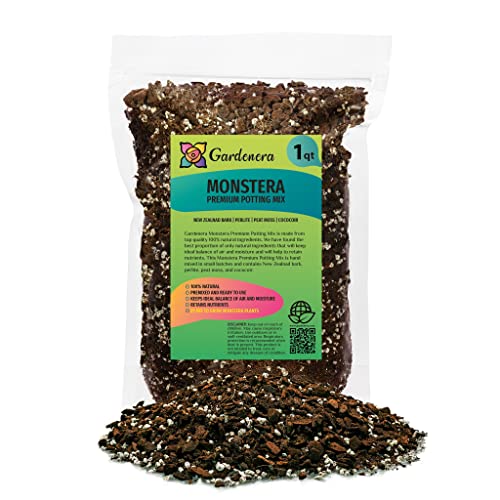
Monsteras in the wild climb trees with roots exposed to moving air, which is why a generic houseplant mix often suffocates them. Gardenera’s blend respects that biology with aged bark, coco coir, and perlite to keep air pockets alive. Peat moss, biochar, and worm castings round out the nutrition, while the quick-draining structure prevents the root rot monsteras are notorious for.
The 1-quart bag is sized for a single juvenile repot, which suits collectors who like to refresh aroids yearly rather than stockpile medium.
Real Benefits
✓Aged bark and perlite keep the mix airy around thick aroid roots
✓Worm castings feed gently without overwhelming tender new growth
✓Quick-draining structure defends against the rot monsteras attract
Worth Noting
•Small 1-quart size means frequent reorders for larger collections
•Specialty recipe isn’t ideal for thirsty ferns or peace lilies
Made For
Aroid collectors focused on monsteras, philodendrons, and similar climbing tropicals that demand fast drainage.
Swap It Out When
Anyone tending a wider range of plants will find Sol Soils Houseplant Chunky Mix stretches across more aroid species in one bag.
Sometimes you only need enough medium for a single 6-inch pot, and that’s where Doter’s quart-size bag earns its spot. The blend leans on peat, perlite, worm castings, and lime, with no synthetic fertilizers added. That simplicity makes it approachable for anyone easing into plant care without paying for features they won’t use.
The smaller footprint also keeps storage tidy in apartments where a half-used 8-quart bag becomes a nuisance. For single-repot jobs on a snake plant or ZZ, the size is just right.
A Favorable Mix
✓Lime balances peat acidity for plants that dislike sour conditions
Chunky mixes have changed the indoor plant conversation, and this Grow Queen blend leans fully into that texture. It balances moisture and airflow so roots can expand instead of circling in dense soil. The recipe works across monsteras, pothos, peace lilies, and tropical flowers, which is rare for a blend this coarse.
For anyone moving away from peat-heavy traditional mixes, the sustainable sourcing is a meaningful bonus. The 2-quart size handles a couple of small-to-medium repots before needing a refill.
What It Does Well
✓Chunky texture mimics the airy conditions tropicals evolved for
✓Peat-free formulation appeals to sustainability-minded growers
✓Spans multiple species from monsteras to peace lilies
✓Reduces the gnat pressure denser soils tend to invite
Points To Note
•2-quart bag fills quickly when repotting larger specimens
•Coarse texture dries faster, raising watering frequency slightly
Perfect Match For
Tropical foliage collectors who want one mix to cover their monsteras, pothos, and peace lilies without blending their own.
Look Elsewhere When
Households with many plants to repot in one session will appreciate the larger volume of Grow Queen’s 8QT version of the same mix.
The 8-quart sibling to the 2QT version solves the volume problem for plant parents who rotate through repots regularly. Same chunky, peat-free formula, same sustainable sourcing, just more of it. For a household running monsteras, pothos, peace lilies, and assorted tropicals, this size keeps the repotting bench stocked.
Storage matters at this volume, so a sealed bin in a cool corner preserves freshness between sessions. The chunky texture still dries faster than traditional blends, which means watering routines may shift slightly.
Everyday Perks
✓8-quart volume covers a full repotting rotation
✓Peat-free sourcing aligns with sustainable gardening values
✓Chunky structure reduces gnat issues common to dense soils
Trade Offs
•Bulk bag needs a dry storage spot to keep it fresh
•Coarse texture raises watering frequency for moisture-loving species
Feature Snapshot
Feature
Specification
Why It Matters
Volume
8 quarts
Covers multiple repots without frequent reordering
Texture
Chunky, well-draining
Supports airflow around tropical and aroid roots
Peat Content
Peat-free
Sustainable choice for environmentally conscious growers
Who Will Love This
Multi-plant households managing several tropicals at once who prefer one consistent medium across the collection.
Not Your Match When
Someone repotting a single small plant will overspend on volume and end up storing more than they need.
Blending your own aroid mix means buying seven separate bags, measuring ratios, and storing leftovers. DUSPRO’s pre-mixed 7-in-1 blend removes all of that. Pine bark, pumice, coco coir, perlite, worm castings, gypsum, and peat moss arrive in one bag, balanced for drainage and root airflow right out of the package.
For plant parents who’d rather tend plants than measure ingredients, this is a meaningful shortcut. The 2-quart size fits a few small-to-medium repots without dominating the storage closet.
The Practical Payoff
✓Seven-ingredient blend ready to use without measuring
✓Pumice and perlite defend against root rot in aroids
✓Worm castings supply slow-release nutrition
✓Compact 2-quart bag fits apartment storage
Some Limits To Know
•Pre-mixed ratio can’t be tweaked for thirstier species like calatheas
•2-quart size runs short for larger floor plants
Who Should Grab It
Anyone who wants the benefits of a chunky aroid mix without buying and measuring separate ingredients.
Another Choice May Suit
Gardenera Premium Monstera Potting Soil offers a similar fast-draining profile with a monstera-specific focus.
Sol Soils builds a fast-draining mix that reads like an ingredient list for an aroid’s dream environment. Coconut coir holds steady moisture, husk chips and pine bark keep structure open, while perlite, pumice, and LECA (lightweight expanded clay aggregate) push drainage even further. Recycled forest products round out the sustainable profile.
The 1-gallon volume suits a serious aroid or orchid collection where root rot is the ever-present risk. For anyone tired of watching prized leaves yellow from soggy medium, the texture change here is immediately felt.
Everyday Advantages
✓Pumice and LECA deliver aggressive drainage for rot-prone species
✓Coco coir balances moisture without waterlogging roots
✓Sustainable sourcing appeals to eco-conscious growers
✓1-gallon volume supports several medium-sized aroids
Things To Weigh
•Premium ingredient list commands a higher per-quart cost
•Fast drainage means watering more often for moisture lovers
Technical Highlights
Feature
Specification
Why It Matters
Volume
1 gallon
Covers multiple aroid or orchid repots in one bag
Drainage Components
Perlite, pumice, pine bark, LECA
Multiple drainage agents prevent the waterlogging aroids hate
Balance rapid drainage with enough retention for healthy roots
Built With In Mind
Collectors growing aroids, philodendrons, or orchids who have struggled with root rot in denser mediums.
Where A Sibling Pick Shines
Smaller collections or tighter budgets will do well with Doter Houseplant Potting Mix at a fraction of the cost.
## Matching Houseplant Soils To The Plants You Grow
Indoor plant success often comes down to how well the medium matches the root system sitting in it. A moisture-loving calathea sitting in a coarse aroid mix will crisp up within days, while a thirsty-rooted monstera in dense peat will yellow from rot. Before reaching for any bag, identify whether the plant prefers steady moisture or periodic drying between drinks.
Drainage is the first attribute to weigh. Ingredients like perlite, pumice, pine bark, and LECA create air pockets that let water pass quickly and roots breathe. Moisture holders like coco coir, peat moss, and sphagnum slow drainage and keep water available longer. Most general houseplant mixes balance both, while specialty blends lean heavier toward one extreme.
Nutrition matters next. Worm castings, compost, and biochar feed gently without burning roots, while quick-start fertilizers give a boost to newly repotted plants. Skip any mix heavy in synthetic fertilizers for sensitive species like calatheas and ferns.
### Reading The Ingredient List
Look for a mix that names specific components rather than vague “organic matter.” Coconut coir is a sustainable alternative to peat moss and resists compaction over time. Aged bark signals an aroid-friendly blend. Perlite appears in nearly every well-draining mix, while pumice offers similar aeration with less float in the pot.
### Bag Size And Storage Reality
A 16-quart bag covers a full repotting session for several plants, but storing half a bag in a humid closet invites mold and gnats. Smaller bags keep storage tidy in apartments, while larger bags reward households running through medium quickly. Match the bag to your repotting frequency rather than chasing the biggest size.
### Specialty Blends Versus General Mixes
A fiddle leaf fig or monstera appreciates a tailored mix that mimics their natural growing conditions, and the same applies to orchids and succulents. For mixed shelves where no single species dominates, a flexible general blend keeps repotting simple without sacrificing root health across the board.
## Key Considerations Across These Picks
### Pitfalls Shoppers Hit
Choosing a mix by color or smell rather than ingredient list leads to disappointment. Bag weight tells you little; what matters is how the components interact once watered. Another common miss is repotting a moisture-loving fern into a chunky aroid mix, then wondering why leaves crisp overnight. Match the medium to the plant, not the other way around.
### Where The Extra Money Goes
Premium mixes invest in drainage components like pumice, LECA, and aged bark that resist compaction over months. Cheaper bags rely heavily on peat, which breaks down into a dense, water-retaining mass that suffocates roots. The upgrade pays off for aroids, orchids, and any species prone to rot, where drainage directly determines survival.
## Frequently Asked Questions
**How often should houseplant soil be replaced?**
Most indoor plants benefit from fresh soil every one to two years, since organic components break down and compact over time. Replacing the medium restores drainage and refreshes nutrient availability for steady growth.
**Can I use outdoor garden soil for houseplants?**
Garden soil compacts quickly in containers and often harbors pests, so it’s not recommended for indoor pots. A potting mix designed for containers drains properly and keeps roots healthy in the confined environment.
**Do all houseplants need the same soil?**
No, different species have different moisture needs. Monsteras and philodendrons thrive in chunky, fast-draining mixes, while ferns and peace lilies prefer blends that hold more moisture between waterings.
**Is perlite safe for indoor use?**
Perlite is a common, lightweight volcanic glass that improves drainage and aeration in potting mixes. It’s safe for indoor use, though rinsing it before use reduces dust during repotting.
**What causes fungus gnats in houseplant soil?**
Fungus gnats thrive in consistently wet organic mediums, especially those heavy in peat. Switching to a faster-draining chunky mix and letting the top inch dry between waterings dramatically reduces gnat pressure.
## Closing Remarks
The right houseplant soil is the foundation everything else rests on, and matching the medium to your plants pays off in healthier foliage and fewer rescue missions. Browse the picks above based on the species you grow, the volume you actually need, and how hands-on you want to be with mixing. Any of these bags sets you up for a stronger indoor garden this year.