

Low light doesn’t mean lifeless corners. If your apartment faces north, your office relies on overhead fluorescents, or your bookshelf only catches the spill from a hallway bulb, the right greenery still thrives there. This roundup focuses on species that actually settle into dimmer rooms without sulking, plus one grow lamp to bridge the gap on the gloomiest days. Each pick below was chosen for shade tolerance, ease of care, and a real chance of surviving a busy schedule.
The Main Contenders

California Tropicals Anthurium Red Live Houseplant 4 Inch Pot

Hopewind Lemon Lime Maranta Prayer Plant 4 Inch Pot

Hopewind Lemon Lime Maranta Prayer Plant White Pot

Altman Plants Snake Plant Laurentii 30 Inch Tall
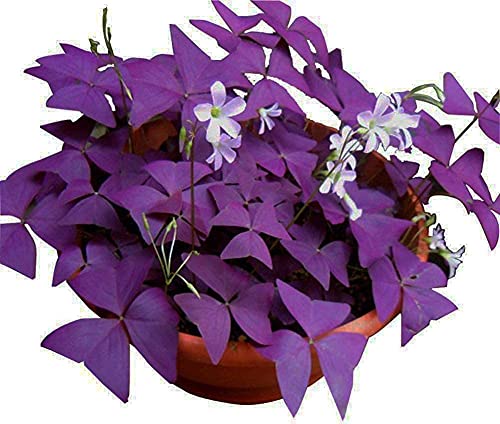
Ficoszo 12PCS Purple Shamrocks Oxalis Bulbs

Fam Plants Polka Dot Plant Collection 4-Pack

Wiaxulay 3.5 Inch Grow Light Full Spectrum 5V/3A

Costa Farms Dieffenbachia Live Indoor Plant
What Each Pick Brings To The Table
The Anthurium earns the opening slot because it solves a problem the rest of this list only hints at: low light tends to wash everything green, and most shade-tolerant plants stay that way year-round. This one pushes out glossy red spathes (those heart-shaped, waxy blooms often mistaken for petals) on a plant that already grows in a compact 4-inch nursery pot, with a total height around 10 to 11 inches including the foliage.
Place it near a north-facing window or anywhere with indirect light, and you get a flowering plant that asks for very little fuss. For anyone tired of all-green corners, this is a strong reason to start here.
Real-World Strengths
- Pushes bright red color into rooms that usually look washed out
- Compact 10 to 11 inch height fits desks, side tables, and shelves without crowding
- Tolerates indirect light conditions common in apartments and offices
- Standard 4 inch nursery pot drops easily into most decorative cachepots
- Long-lasting blooms mean you get color for weeks, not days
Things To Consider
- Color options vary by listing, so verify which bloom shade arrives before checkout
- Owners commonly report the plant dislikes soggy soil, so a pot with drainage helps
At A Glance
Made For
Apartment dwellers and office workers who want a flowering plant in a north-facing room and don’t want to fuss with finicky tropicals.
A Better Fit Elsewhere
Pet owners worried about toxicity should consider the Hopewind Lemon Lime Maranta Prayer Plant instead, which sidesteps that concern entirely.
If the Anthurium is all about color, the Lemon Lime Maranta is all about movement. Its oval leaves carry yellow-green centers brushed with darker green veining, and they fold upward at night before relaxing again by morning, a behavior called nyctinasty. You actually see the plant respond to the room, which makes it feel alive in a way a static leaf never quite does.
The plant arrives 12 to 16 inches tall in a 4 inch pot, sized for shelves and desktops where you walk past often. For households with cats that chew anything green, this one clears a real hurdle: it’s commonly listed as pet-safe, which removes the worry the Anthurium introduces.
Everyday Wins
- Leaf movement at night gives the plant a living, changing presence
- Pet-safe reputation suits homes with cats or dogs that investigate greenery
- Variegated yellow-green foliage stays vivid even in shaded corners
Honest Caveats
- Marantas are humidity-sensitive and may crisp at the edges in dry winter rooms
- Needs consistent moisture, so forgetful waterers may struggle
Best Suited To
Pet households and curious observers who want a low-light plant that visibly responds to the room and don’t mind a steady watering rhythm.
Skip It When
You’d rather set a plant on a deep shelf and forget it for a month, in which case the Altman Snake Plant Laurentii makes more sense.
The plant here is identical to the previous Maranta in species and care profile, so the buying decision is really about the pot. This version arrives in a clean white 4 inch container instead of a standard nursery pot, and that small change shifts how the whole plant reads on a styled shelf.
If your shelves lean minimalist, white, or Scandinavian, the white pot blends in. If your décor runs warmer or more colorful, it still photographs well against most backdrops. The Maranta still asks for the same steady moisture as Pick 2, and that requirement doesn’t soften just because the pot looks prettier.
Useful Touches
- White pot eliminates the need for a separate cachepot on styled surfaces
- Same pet-safe reputation as the standard Maranta listing
- Variegated foliage pops against the white container
Worth Noting
- Same humidity and watering sensitivity as Pick 2
Feature Snapshot
Right Fit For
Style-focused plant owners who want a shelf-ready display without buying a second pot, and who can keep a steady watering schedule.
Look Elsewhere When
You’d rather choose your own decorative pot for cohesion with existing décor, in which case the standard Hopewind Maranta offers more flexibility.
Snake plants (sansevierias) have earned their reputation the honest way: they survive conditions that wilt other houseplants. The Laurentii cultivar adds a yellow edge to the green sword-shaped leaves, which gives it more visual interest than the all-green varieties. At roughly 30 inches tall in a 4 inch pot, it also brings real height to a corner that needs anchoring.
For first-time plant owners, this is where most people should start. It tolerates inconsistent watering, shrugs off low light, and adapts to almost any indoor temperature. Compared to the Anthurium in Pick 1, you trade flowering color for pure low-maintenance structure.
What Works In Its Favor
- Drought-tolerant and forgiving of missed waterings
- Variegated yellow-edged leaves add architectural shape to dim corners
- Adapts to nearly any light level from low to bright indirect
- 30 inch height fills empty floor or shelf space without crowding
Trade Offs
- No flowers or color change, just structural foliage
- Toxic to cats and dogs if chewed, so unsuitable for some pet households
- Owners commonly repot it within a year since growth can outpace the starter pot
Perfect Match For
First-time plant owners and forgetful waterers who want a tall, architectural presence in a low-light corner without a learning curve.
Swap It Out When
Cats share your space, in which case the Hopewind Lemon Lime Maranta offers a pet-safe alternative with similar shade tolerance.
Where every other pick on this list ships as a live plant, the Purple Shamrocks arrive as a 12-pack of dormant bulbs. That’s a meaningful shift: you’re starting from scratch, and you don’t get the instant gratification of a fully leafed-out plant on day one. What you do get is enough bulbs to fill multiple pots, and purple triangular foliage that opens and closes with the light cycle, similar to the Maranta but in a deep burgundy-purple shade.
For anyone who enjoys the process of growing rather than just owning, this is a budget-friendly path to a serious collection. In most apartments, you’ll want to plant them in a group rather than scattering singles, since the visual impact comes from clusters.
Where It Excels
- Twelve bulbs per pack let you fill multiple pots for a single spend
- Deep purple foliage stands out among typical green houseplants
- Leaves open and close with the light cycle, adding visible daily motion
Points To Note
- No mature plant arrives, so expect a multi-week germination window
- Requires adequate light for healthy leaf color, though indirect light works
- Success depends on planting technique, so beginners should research bulb depth first
Who Will Love This
Patient gardeners who enjoy growing from scratch and want a full cluster of purple foliage without paying per mature plant.
Consider Something Else When
You want a finished plant on day one, in which case the Altman Snake Plant Laurentii delivers immediate presence with zero germination wait.
Hypoestes, more commonly called polka dot plants, deliver speckled foliage in shades that most houseplants can’t match: red, white, pink, and rose. This collection ships four starter plants in those colors, which lets you group them on a single windowsill or spread them across a small apartment. They max out around 12 inches tall, so they stay compact enough to crowd a desk or shelf without taking over.
For renters short on space, this multi-pack offers more visual variety per square foot than a single statement plant. The trade-off is that polka dot plants need pinching back to stay bushy, and they bloom indoors only occasionally.
The Helpful Details
- Four starter plants in distinct colors create instant visual variety
- Speckled foliage stands out against typical solid-green houseplants
- 12 inch mature height suits tight desktops and narrow shelves
- Works in pots, hanging baskets, or grouped on a tray
Less Ideal Details
- Needs regular pinching to prevent leggy, sparse growth
- Color intensity can fade in very dim corners, so a touch of indirect light helps
Quick Facts
Whose Shelf It Belongs On
Small-space dwellers and renters who want four different foliage colors without crowding a single corner with one large plant.
Not Your Match When
You want one tall architectural statement instead of multiple small plants, in which case the Costa Farms Dieffenbachia fills that role better.
The only non-plant on this list earns its place because low light isn’t always fixable by plant choice alone. In a basement apartment, a windowless bathroom, or a north-facing room in winter, even shade-tolerant species can struggle. A full-spectrum grow light bridges that gap, and this 3.5 inch halo unit is small enough to clip onto a shelf, desk, or plant stand without dominating the space.
Powered by a 5V/3A adapter with a 98 inch cable, it covers a single small plant or a cluster of starter pots. If you’ve already picked from earlier in this list and your room still feels too dim, this is the support piece that turns “surviving” into “thriving”.
Well-Handled Touches
- Compact 3.5 inch halo fits cramped shelves and small plant stands
- Full spectrum output covers wavelengths plants use for healthy growth
- Long 98 inch cable reaches outlets without rearranging furniture
- Clips onto most surfaces without tools or permanent installation
Possible Compromises
- Single small unit, so covering multiple plants means buying more than one
- Not a substitute for true daylight, though it meaningfully extends usable light hours
Built With In Mind
Apartment dwellers with one or two small plants in a dim corner who want to extend healthy growth without rewiring anything.
Reach For A Different Pick When
Your space already gets steady indirect light from a window, in which case the Altman Snake Plant Laurentii or the Fam Plants Polka Dot Collection needs no supplemental lighting at all.
Dieffenbachia, sometimes called dumb cane, closes out the list with broad variegated leaves in cream and green that bring a tropical weight to shaded rooms. This Costa Farms listing ships at 12 to 18 inches tall, with options for a self-watering pot or a decorative planter depending on which version catches your eye. The plant tolerates lower light levels than its lush appearance suggests.
Compared to the Altman Snake Plant in Pick 4, this one trades height and drought tolerance for fuller, broader foliage that fills a corner more like a soft shrub than a column. Watering roughly once a week with about a cup, draining excess, and never letting it sit in water keeps it happy.
Useful Highlights
- Broad variegated leaves bring lush tropical texture to shaded rooms
- Multiple pot options including self-watering for lower maintenance
- Tolerates indirect light common in apartments and offices
- Medium 12 to 18 inch size suits tabletops, shelves, or plant stands
A Few Limitations
- Toxic if ingested, so households with curious pets or toddlers should take note
- Needs more consistent watering than the Altman Snake Plant, roughly weekly with drainage
- Lower leaves may yellow over time, a normal part of growth but visually noticeable
Key Attributes
Who Should Grab It
Plant owners wanting lush, broad foliage in a medium-sized statement piece for a shaded room, and who can keep a steady weekly watering rhythm.
Where A Sibling Pick Shines
Pet owners worried about toxicity will find the Hopewind Lemon Lime Maranta in Pick 2 a safer alternative with similar shade tolerance and visual interest.
What Matters Most Before Choosing Houseplants For Low Light
Low light comes in different intensities, and that distinction changes which plants thrive. A north-facing window with steady indirect light supports an Anthurium or Polka Dot Plant. A room with only overhead fluorescent lighting or a single hallway spill needs tougher options like Snake Plant or Dieffenbachia. Honest self-assessment of your actual light, not your imagined light, prevents most failed plant purchases.
Toxicity matters when pets or small children share the space. Snake Plant and Dieffenbachia both contain compounds that cause irritation if chewed. Marantas, polka dot plants, and most other picks on this list sidestep that concern. For shared spaces, choosing pet-safe species removes a real layer of worry.
Watering rhythm is the other filter most people underestimate. Snake plants tolerate forgetfulness; Marantas do not. If your schedule runs unpredictable, lean toward drought-tolerant options. If you enjoy a steady routine, broader-leafed tropicals reward you with richer foliage. Match the plant to your habits rather than your aspirations, and the plant survives long enough to become part of the room.
Picking Well Without The Pitfalls
Where Shoppers Go Wrong
The most common slip-up is trusting the “low light” label without checking the actual room. North-facing windows with bright indirect light support a wider range of plants than interior hallways with only overhead lighting. Measure your light honestly before choosing. The second mistake is overwatering, which kills more shade plants than under-watering does. A pot with drainage holes and a weekly check of soil moisture prevents the most common cause of rot.
Where The Extra Money Goes
Higher-tier picks like the self-watering Dieffenbachia or the white-pot Maranta charge a small premium for presentation and convenience rather than plant quality. You’re paying for a finished look that needs no second pot, or a reservoir that buys you a day or two of buffer when life gets busy. For a first plant, that premium rarely matters. For a fifth plant in a styled room, it often makes sense. The plant inside is the same; the experience of owning it gets smoother.
Frequently Asked Questions
What qualifies as low light for a houseplant?
Low light generally means a spot that receives only indirect natural light, no direct sunbeam, or relies on overhead artificial lighting. North-facing rooms, interior hallways, and rooms with small windows usually qualify.
Can houseplants really survive without any natural light?
Most foliage plants need at least some ambient light, even indirect, to thrive. Truly windowless rooms benefit from a full-spectrum grow light like the Wiaxulay listed above to keep plants healthy long-term.
How often should I water low-light houseplants?
Watering frequency varies by species rather than by light level alone. Snake plants tolerate long gaps, while Marantas and Dieffenbachia prefer a steady weekly rhythm. Always check the top inch of soil before watering rather than watering on a fixed schedule.
Are low-light houseplants safe for pets?
Some are, some aren’t. Marantas and Polka Dot Plants are commonly listed as pet-safe, while Snake Plants and Dieffenbachia contain compounds that irritate pets if chewed. Verify each species against your household setup.
Do low-light houseplants grow slower than sunny ones?
Generally yes, since growth depends on the light energy available for photosynthesis. Slower growth often means less maintenance, which is part of why these species suit busy apartments and offices.
Wrap Up
The right low-light plant depends less on marketing claims and more on your actual room and routine. Snake plants and Dieffenbachia anchor shaded corners with structure and broad foliage. Marantas and Polka Dot Plants add motion and color where steady indirect light filters in. Anthuriums push real blooms into spaces that usually stay green, and a small grow light rescues the rooms that fall short of even indirect daylight. Match the plant to the space you actually have, and the whole room comes alive.
