

A garden that mostly takes care of itself sounds like a daydream until you’ve spent three summers pulling weeds and coaxing fussy blooms. The right perennials cut that workload dramatically, returning year after year with little more than sun and the occasional trim. This list focuses on dependable, low-effort performers suited to mixed beds, borders, containers, and the awkward shaded corners most gardeners struggle with.
A Closer Look At The Lineup
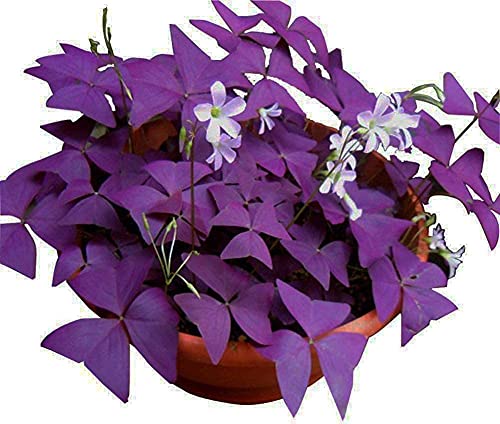
Ficoszo Purple Shamrocks Bulbs (12-Pack) for Planting

Survival Garden Seeds Purple Alyssum Seeds (1 Pack)

Mixed Color Hosta Seeds for Shade (185+ Seeds)

Outsidepride Blue Flax Seeds (5,000 Pcs)

PLANTMEW Foxglove Seeds Mixed Colors Bulk Pack

Groundio Creeping Thyme Seeds (20,000+)
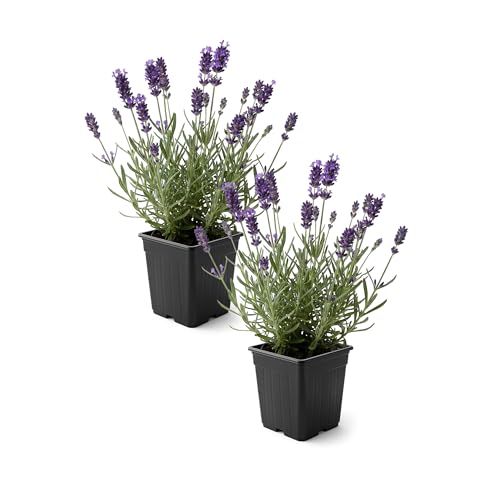
The Three Company Lavender Live Plants (2-Pack)
Most perennials live outside full-time, but purple shamrocks (Oxalis triangularis) blur that line nicely. The triangular, deep-purple leaves fold open by day and close at night, putting on a quiet show whether the bulbs sit in a kitchen window or a shaded patio planter.
For anyone who wants foliage color that does not rely on flowers, this set delivers twelve bulbs, enough to fill a couple of medium containers or one wide bowl. Compared with the seed-based picks below, you skip the germination wait and start with established structures.
Noteworthy Benefits
- Twelve bulbs provide material for grouping, not just a single pot
- Foliage stays visually interesting across multiple seasons
- Grows indoors on a bright sill or outside in shaded spots
- Leaf movement at night adds a small, livable charm to a room
Things To Consider
- Bulbs need a dormant rest period, so foliage dies back seasonally
- Leaves are mildly toxic to pets, a factor in homes with curious cats or dogs
- Thin or pale new growth usually signals the spot is too dim
Who It Suits Best
Apartment dwellers and shaded patio gardeners who want color without committing to a full outdoor bed.
Where Another Pick Suits Better
Gardeners planning a wide sun-soaked border will find more useful scale from Outsidepride Blue Flax Seeds instead.
Sweet alyssum behaves like a flowering carpet, the kind of plant you tuck along a path edge and forget about until bees show up. This purple-strain pack from Survival Garden Seeds leans into the fragrant, pollinator-friendly reputation of the species.
You will start from seed, so the first month or two looks uneventful. Once it establishes, alyssum tends to self-sow in mild climates, so a single pack can quietly populate a surprising amount of real estate over a couple of seasons. Compared with the bulb-driven Ficoszo pick above, this one rewards patience with broader coverage.
Standout Benefits
- Honey-scented blooms draw bees and butterflies throughout the growing season
- Low, spreading habit smothers small weed gaps naturally
- Works nicely as a living mulch around taller perennials
- One pack covers several square feet when broadcast lightly
Worth Noting
- Technically a tender perennial in most zones, so it may not return in cold-winter regions
- Direct sowing works best once frost risk has passed
- Can look leggy mid-summer if you skip the occasional trim
Made For
Eco-minded gardeners building a pollinator strip along a walkway or vegetable bed.
Consider Something Else When
Anyone needing fast, visible height should reach for PLANTMEW Foxglove Seeds Mixed Colors Bulk Pack instead.
Shaded corners defeat a lot of flowering plants, but hostas simply shrug and grow. This mixed pack offers 185-plus seeds spanning blue, purple, and white hues with varied leaf patterns, an affordable way to experiment with foliage contrast rather than committing to one cultivar.
Starting from seed means hostas stay small for the first season, so this is a longer-game pick than the ready-to-plant lavender lower down. For gardeners patient enough to wait, the trade-off is generous: a shade bed full of textured leaves with minimal upkeep once established. Where the alyssum pick above brightens path edges, hostas anchor the deeper, dimmer areas behind them.
Reasons It Performs
- Mixed-color pack lets you discover which leaf tones suit your space
- Foliage lasts from spring through frost in most climates
- Seeds store well, so leftover stock can wait for next season
- Suited to USDA zones 3 through 9, covering most of the country
Points To Note
- Seed-grown hostas take two to three years to reach mature size
- Slug pressure can be heavy in damp, shaded beds
- Germination rates vary, so sow thicker than you would for store-bought starts
Right Fit For
Patient shade gardeners willing to invest a couple of seasons for a low-maintenance foliage backdrop.
Not Your Match When
Anyone craving instant impact on a patio should pick The Three Company Lavender Live Plants (2-Pack) instead.
Blue flax earns its keep in dry, sunny spots where fussier perennials struggle. With 5,000 seeds in the pack, you can broadcast across a meadow-style planting or fill a smaller border without worrying about running out.
The plants stay compact, usually topping out around 12 to 24 inches, and they self-seed reliably in well-drained soil. That combination makes flax a strong fit for xeriscaping (landscaping designed to reduce or eliminate the need for irrigation) and naturalized areas where you want color without constant editing. Compared with the hosta seeds reviewed above, this pick trades shade tolerance for drought resilience.
Well-Handled Touches
- Self-seeding habit reduces the need to replant each year
- Adapts to USDA zones 3 through 10, an unusually wide range
- Light blue flowers sway in breezy spots, adding soft movement
- Works in rock gardens, borders, or mass meadow plantings
Room For Improvement
- Each individual bloom lasts only one day, though the plant keeps producing
- Stems can flop in rich, overwatered soil
- Seed heads may spread further than you intended in ideal conditions
Best Suited To
Gardeners with sunny, well-drained beds who want a low-water, naturalistic look.
A Better Fit Elsewhere
Shaded gardeners looking for texture should grow Mixed Color Hosta Seeds for Shade (185+ Seeds) instead.
Foxgloves bring the kind of vertical drama that flat ground-cover picks cannot. This bulk pack lists 200,000-plus seeds, enough to seed a generous back border or naturalize a corner without rationing.
Foxgloves grow as biennials (plants that complete their life cycle in two years, growing foliage the first year and flowering the second), so the flowering show usually arrives in year two. Gardeners who treat them as a recurring background plant often let seed heads drop, which keeps new rosettes coming. Where blue flax stays low and airy, foxgloves send up towering spires that hummingbirds struggle to ignore.
Where It Helps
- Bell-shaped blooms in mixed pink and white tones
- Plants reach 2.5 to 5 feet tall, ideal for back-of-border placement
- Reliable pollinator pull, especially for bumblebees and hummingbirds
- Bulk seed count supports large or repeat plantings
Honest Caveats
- Seeds need light to germinate, so pressing them onto the soil surface matters
- A cold-stratification step (chilling seeds in a moist medium for one to two weeks before sowing) improves germination rates
- Biennial lifecycle means a gap year between foliage and full bloom
Who Will Love This
Cottage-garden enthusiasts who want tall, pollinator-heavy vertical interest in a sunny back border.
Skip It When
Small-space gardeners wanting a tidy, compact mat should pick Groundio Creeping Thyme Seeds (20,000+) instead.
Creeping thyme (Thymus serpyllum) behaves like a fragrant carpet that tolerates light foot traffic. The 20,000-plus seed count here is generous enough for pathway edges, between stepping stones, or a sloped patch that needs stabilizing.
Once thyme establishes, mowing or trimming once or twice a season keeps it tidy. Compared with the bee-friendly but flower-heavy alyssum reviewed earlier, thyme leans into foliage and scent, releasing that familiar herbal aroma when brushed. It is also notably drought tolerant, sitting comfortably alongside the blue flax in dry-site planning.
Useful Strengths
- Minty, herbal fragrance releases when leaves are crushed or stepped on
- Forms a dense, walkable mat in sunny spots
- Works as a low-water lawn substitute on small patches
- Attracts pollinators during its bloom window
Small Caveats
- Slow to germinate, so weed competition matters early on
- Does not love heavy foot traffic the way true lawn grass does
- Looks patchy in deep shade or poorly drained soil
Perfect Match For
Homeowners tired of edging and want to soften a sunny path or replace a tricky lawn strip.
Another Choice May Suit
Gardeners wanting vertical cottage color should grow PLANTMEW Foxglove Seeds Mixed Colors Bulk Pack instead.
If seed-starting feels like too much waiting, this two-pack of live lavender arrives already potted. You skip the germination gamble that comes with the hosta and flax picks above, and trade up for instant green presence on a patio or border.
Mature plants reach around 18 to 24 inches tall and wide with a mounded, compact habit. Lavender thrives in full sun and well-drained soil, so it lines up nicely with blue flax for gardeners planning a sun-loving, drought-tolerant bed. Two plants is enough for a small aromatic grouping or a matched pair flanking a path.
Notable Gains
- Live plants deliver visible foliage the day they arrive
- Classic purple blooms with a strong, soothing scent
- Mounded habit suits borders, herb gardens, or container groupings
- Compact mature size keeps it tidy in smaller spaces
Some Limits To Know
- Container size at shipping is small, so plan to pot up or transplant soon
- Wet, heavy soil will stress the plants quickly
- Two plants cover a modest footprint, more if you want a full hedge
Who Should Grab It
First-time gardeners who want a head start with a familiar, fragrant perennial.
Reach For A Different Pick When
Budget-focused gardeners covering a large area get more ground for less with Outsidepride Blue Flax Seeds.
## Choosing Low Maintenance Perennials That Match Your Site The label “low maintenance” gets stretched around the gardening world, so it helps to define it before shopping. In practice, it means perennials that return reliably without dividing, staking, or heavy feeding, and that handle short dry spells without constant watering. ### Match The Plant To The Spot Before choosing seeds or starts, look honestly at the bed. Note how many hours of direct sun it gets, whether the soil drains quickly after rain, and how exposed the area is to wind. A shade-loving hosta in a baking south bed will struggle, no matter how low-effort it is on paper. The reverse is just as true: lavender planted in damp shade sulks and rots. Honest site assessment prevents the most common beginner disappointment. ### Decide Between Seeds And Live Plants Seeds cost less and cover more ground, which is why packs like Outsidepride Blue Flax and Groundio Creeping Thyme deliver such generous counts. They trade convenience for upfront savings. Live plants, like The Three Company lavender, skip the germination wait and arrive ready to grow, but they cover less area per dollar. New gardeners often find live plants less frustrating; experienced gardeners with time and patience usually prefer seed flexibility. ### Plan For Year-One Expectations Perennials rarely look full in their first season, and biennials like foxglove often spend year one producing foliage only. Set realistic expectations so a sparse first summer does not feel like failure. Most picks here fill in noticeably by year two, and many self-seed or spread once established. ## Key Considerations Across These Picks ### Common Shopping Slip Ups Plenty of gardeners buy perennials for color alone and forget to check mature size. A creeping thyme mat looks tidy in a seed packet, but a three-year-old thyme patch creeping into the lawn becomes a maintenance issue. Always confirm mature spread, and leave room for each plant to reach its full footprint without crowding its neighbors. ### Where The Extra Money Goes Higher-tier perennials usually mean larger, more mature live plants with stronger root systems, or specialty cultivars with named colors and improved disease resistance. That extra investment pays off when you need immediate visual impact or specific traits, like a particular lavender cultivar. For mass ground cover or meadow plantings, bulk seed packs remain the cost-effective route. ## Frequently Asked Questions ### What Zone Are These Perennials Suited To? Most picks listed here tolerate USDA zones 3 through 9, while blue flax stretches into zone 10. Always confirm your hardiness zone before ordering, since a perennial that thrives in one region may behave as an annual in another. ### How Long Until Seeds Produce Visible Growth? Alyssum and creeping thyme often show green growth within two to three weeks under warm conditions. Hosta seeds move much more slowly, sometimes taking a full growing season to reach a few inches tall, while foxglove prioritizes leafy rosettes in year one. ### Can These Perennials Grow In Containers? Several can. Purple shamrocks suit indoor pots, and lavender performs well in containers with sharp drainage. Ground covers like thyme can spill attractively over container edges, though they need larger pots to support steady growth. ### Do Any Of These Require Frequent Watering? Once established, blue flax, creeping thyme, and lavender tolerate dry stretches well. Hosta and alyssum prefer consistent moisture, especially in hotter climates, so plan supplemental watering during dry spells. ### Are These Safe Around Pollinators? Yes, several actively attract pollinators. Alyssum and creeping thyme draw bees and butterflies with their fragrance, while foxglove blooms pull in hummingbirds and bumblebees seeking nectar from the tubular bells. ## Bottom Line A low-maintenance garden starts with honest site assessment, not just a wish list. Match the perennial to your sun, soil, and patience level, and the workload drops sharply. Any of these seven picks will reward a little planning with seasons of dependable color.