

Phosphorus supports root development, flowering, and fruiting, but the right source depends on the garden. I focused on options for container gardeners, bulb growers, vegetable beds, indoor plant shelves, and established fruit trees. A gentle soil amendment suits routine care, while a concentrated phosphate feed makes more sense for a specific nutrient plan.
The Picks In Brief

Soil Sunrise Premium Organic Worm Castings 1 Pound
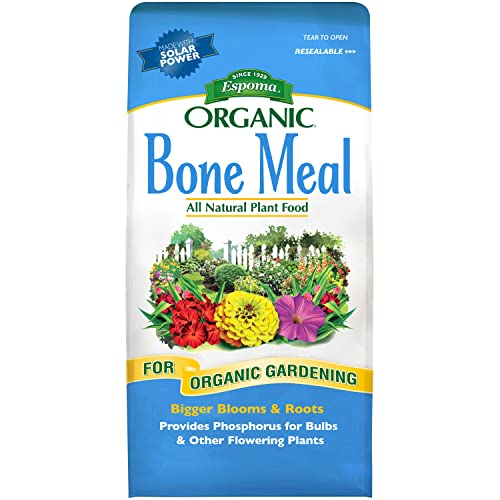
Espoma Organic Bone Meal Fertilizer 4-12-0, 8 lb. Bag

Liqui-Dirt Kit Organic Liquid Indoor Plant Food

Liqui-Dirt Organic Liquid Indoor Plant Food Aroid

The Grow Co Organic Fish Fertilizer 1 Gallon

Miracle-Gro Water Soluble Plant Food 8 oz.

Liqui-Dirt Organic Liquid Indoor Plant Food Monstera
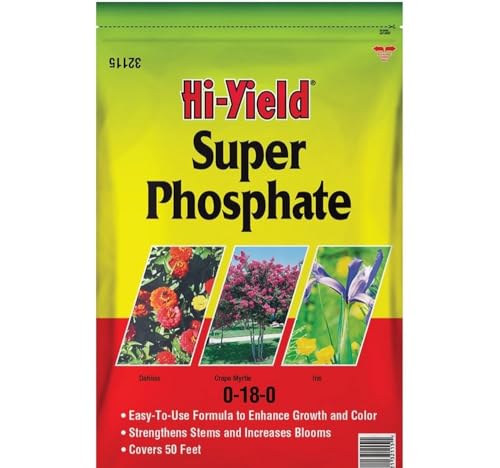
Hi-Yield 32115 Super Phosphate 0-18-0, 4 lbs

Espoma Triple Phosphate Fertilizer 0-45-0, 6.5 lb.

Farmer’s Secret Fruit Tree Booster Fertilizer 128oz
Taking A Closer Look At The Options
Worm castings are the digested material produced by earthworms, valued here as a mild soil amendment rather than a sharply targeted phosphate treatment. Soil Sunrise fits houseplant pots, seedling mixes, and patio planters where maintaining soil texture matters alongside steady nutrition.
Its naturally occurring phosphorus arrives with nitrates, potassium, magnesium, and calcium. For most container gardens, that broader nutrient mix makes more sense than adding a concentrated phosphate alone, though it is not the fast route for correcting a specific nutrient shortfall.
What Makes Sense
- Adds phosphorus alongside several supporting nutrients.
- Slow nutrient release suits routine pot maintenance.
- Helps enrich used container mix between plantings.
- A one-pound size stores easily in small homes.
Things To Consider
- The modest bag size can disappear quickly in large raised beds.
- Owners commonly keep dry soil additives sealed to avoid clumping in humid storage.
Feature Snapshot
Who It Suits Best
I recommend it for indoor gardeners and patio growers refreshing a few pots at a time.
Where Another Pick Suits Better
Espoma Organic Bone Meal Fertilizer 4-12-0, 8 lb. Bag suits bulb gardeners seeking a more phosphorus-centered amendment at planting.
Espoma shifts from Soil Sunrise’s broad compost-style approach to an amendment designed around planting-time phosphorus. The 4-12-0 analysis means it contains 4% nitrogen, 12% phosphate, and no listed potash, so the emphasis stays on roots and flowering support.
Bone meal also supplies calcium, making it a sensible fit for bulbs, annuals, and perennial beds. I see the strongest fit in gardens where planting holes are already being prepared, rather than among established houseplants that need a liquid feeding routine.
The Good Stuff
- 12% phosphate gives bulb plantings a defined nutrient focus.
- Contains nitrogen and calcium alongside phosphorus.
- An 8-pound bag suits several seasonal bed projects.
- Mixing it into planting soil keeps the amendment near developing roots.
- No filler ingredients are listed in the provided product details.
Worth Noting
- The dry meal requires soil mixing, not quick watering-can application.
- Gardeners commonly store bone meal in a tightly closed container away from moisture.
- Its narrow nutrient profile may call for a separate balanced feed later.
Quick Facts
Made For
I would choose it for gardeners planting spring or fall bulbs, flowering annuals, and perennial borders.
Consider Something Else When
Liqui-Dirt Kit Organic Liquid Indoor Plant Food suits apartment plant keepers who prefer measured liquid feeding indoors.
For an indoor shelf filled with varied foliage plants, the included mixing jug and dropper remove a practical barrier. Liqui-Dirt includes an 8-ounce concentrate, one-gallon mixing jug, and measuring dropper, which keeps the feeding setup contained in one package.
Rather than functioning as a phosphorus-only booster, it supplies 18 nutrients as a complete plant food. That broad coverage may be easier for a first plant collection, although gardeners targeting a known phosphorus gap may prefer Hi-Yield 32115 Super Phosphate 0-18-0, 4 lbs.
Where It Delivers
- Included jug avoids finding a separate mixing container.
- Dropper supports repeatable small-dose measuring.
- 18 nutrients suit mixed houseplant collections.
Trade Offs
- Mixing concentrate adds a small recurring task to watering day.
- Owners commonly rinse droppers and jugs after use to reduce residue.
- It is less specialized than a granular phosphate amendment.
- The kit takes more cabinet room than a single bottle.
Core Details
Right Fit For
I favor this kit for beginners managing a compact indoor collection with a regular watering schedule.
Not Your Match When
Soil Sunrise Premium Organic Worm Castings 1 Pound suits gardeners who would rather refresh potting mix than mix a liquid.
This Aroid version suits growers building a routine around philodendrons, pothos, and similar foliage plants near desks or bright windows. Its 18-nutrient formula includes trace minerals, meaning nutrients needed in small amounts that are not always included in basic N-P-K feeds.
It offers the same broad liquid-care approach as the Liqui-Dirt Kit Organic Liquid Indoor Plant Food, without the explicitly listed jug and dropper. For aroids growing in chunky mixes, a measured liquid can fit regular watering more naturally than dry bone meal.
Why It Works Well
- Complete 18-nutrient system avoids stacking multiple feeds.
- Trace minerals support a more rounded routine.
- Liquid format fits scheduled indoor watering.
- Works as a standalone plant food rather than an add-on booster.
Minor Gripes
- A concentrated liquid still requires careful measuring before watering.
- Indoor gardeners generally need a designated shelf space for bottles and measuring tools.
Best Suited To
I see it fitting aroid keepers who want one broad nutrient system for several indoor foliage plants.
Look Elsewhere When
Espoma Organic Bone Meal Fertilizer 4-12-0, 8 lb. Bag fits outdoor bulb beds that need a dry planting-time amendment.
A gallon of fish emulsion makes the most sense where several vegetable rows, flowering borders, or fruiting plants need regular feeding. The Grow Co uses cold-pressed fish emulsion made from sustainably sourced fish, retaining nutrients, vitamins, and amino acids from the raw material.
Compared with Soil Sunrise Premium Organic Worm Castings 1 Pound, this is a liquid feeding route designed for larger garden coverage. The honest read is that fish-based fertilizer brings a recognizable odor, so outdoor use is the comfortable fit for most households.
Well-Handled Touches
- One-gallon volume supports larger growing areas.
- Fish emulsion offers a nutrient-rich liquid feeding option.
- Cold pressing is intended to retain naturally occurring nutrients.
- Fits vegetables, fruits, and flowering plants.
- Uses fish parts that could otherwise become waste.
Room For Improvement
- The gallon jug needs meaningful storage space.
- Fish-based liquids are commonly kept tightly capped to limit lingering odor.
- Its scent makes it less appealing for a small indoor plant corner.
Who Will Love This
I would reserve it for active outdoor gardeners feeding vegetables, flowers, and fruiting plants across a larger area.
A Better Fit Elsewhere
Liqui-Dirt Organic Liquid Indoor Plant Food Aroid suits indoor foliage keepers who need a more home-oriented feeding routine.
Miracle-Gro takes a broad, water-soluble route rather than positioning itself as a natural-source phosphorus amendment. Water-soluble means the granules dissolve in water before application, making it convenient for gardeners who already feed through a watering can.
The 12-pack of 8-ounce containers supports frequent use across flowers, vegetables, houseplants, roses, trees, and shrubs. Its breadth is useful in a mixed garden, though it does not provide the soil-conditioning character of worm castings or a narrow phosphate analysis like Espoma Triple Phosphate Fertilizer 0-45-0, 6.5 lb.
A Few Strong Suits
- Dissolves into water for straightforward feeding.
- Works across many indoor and outdoor plant categories.
- Individual 8-ounce containers are easy to separate for storage.
Points To Note
- This is not a natural-source phosphorus-focused option.
- Powdered feeds need a dry storage spot and a firmly closed lid.
- Measuring remains important with concentrated soluble plant foods.
- A 12-pack may be excessive for a few windowsill plants.
Who Should Grab It
I suggest it for gardeners maintaining a varied mix of plants indoors and outdoors through regular watering.
Skip It When
Hi-Yield 32115 Super Phosphate 0-18-0, 4 lbs suits gardeners specifically building a phosphate-centered outdoor plan.
Large-leaf Monsteras often sit in fast-draining potting mixes, which makes a liquid feeding schedule practical for many plant keepers. This Liqui-Dirt version supplies 18 nutrients as a complete formula, including trace minerals that help it serve as more than a single-nutrient supplement.
It closely parallels the Aroid listing, so the selection can come down to the plant collection being maintained. I would not treat the Monstera wording as a reason to use it only on Monsteras, since the supplied details describe an all-purpose nutrient system.
Benefits That Matter
- 18 nutrients support a complete feeding routine.
- Liquid application fits plants watered on a regular schedule.
- Trace minerals broaden nutrition beyond basic macronutrients.
- A single formula can simplify a small plant shelf.
Softer Spots
- It does not provide a stated phosphate percentage for targeted planning.
- Concentrated plant food needs measured dilution and tidy storage between uses.
Built With In Mind
I would choose it for Monstera keepers and indoor foliage collectors who prefer one liquid formula.
Another Choice May Suit
Liqui-Dirt Kit Organic Liquid Indoor Plant Food suits new plant keepers who value the included measuring dropper and mixing jug.
Hi-Yield is the direct option for outdoor growers who want a phosphate-focused supplement rather than a complete fertilizer. The 0-18-0 label identifies zero nitrogen, 18% phosphate, and zero potash, keeping the product tightly focused on one nutrient category.
Phosphate is a plant-available form of phosphorus involved in photosynthesis, the process plants use to convert light into energy. Depending on existing soil fertility, that focus can be helpful around flowering and fruiting crops, but it requires more planning than a balanced liquid feed.
What It Does Well
- 18% phosphate provides a clear, focused nutrient input.
- Designed for outdoor plant use.
- Can support bloom and fruiting garden goals.
Small Caveats
- It supplies no listed nitrogen or potash.
- Application amounts vary by plant type and soil situation.
- Granular material should stay dry in a closed container between applications.
Technical Highlights
The Right Fit
I recommend it for outdoor gardeners whose plan specifically calls for additional phosphate rather than broad feeding.
Reach For A Different Pick When
The Grow Co Organic Fish Fertilizer 1 Gallon suits vegetable gardeners seeking a wider liquid nutrient profile.
Espoma Triple Phosphate takes the targeted approach further than Hi-Yield 32115 Super Phosphate 0-18-0, 4 lbs. Its 0-45-0 granular analysis brings a much higher listed phosphate percentage, making it a product for deliberate nutrient planning rather than casual seasonal feeding.
The provided details position it for flowering plants, trees, shrubs, and vegetables, with granules intended for easy distribution. That strength comes with a trade-off: a concentrated single-purpose input leaves nitrogen and potassium needs to a separate plan.
Points In Its Favor
- 45% phosphate offers high-strength nutrient concentration.
- Granular form supports direct soil application.
- Suitable across flowers, shrubs, trees, and vegetables.
- 6.5-pound bag suits multiple garden areas.
- Fits plans centered on root growth and blooming.
Areas To Watch
- Its high phosphate level is more specialized than most mixed gardens need.
- Granules should be kept dry and secured after opening.
Whose Shelf It Belongs On
I would reserve it for experienced gardeners following a focused soil-fertility plan for flowering or fruiting crops.
Where A Sibling Pick Shines
Espoma Organic Bone Meal Fertilizer 4-12-0, 8 lb. Bag suits gardeners wanting phosphorus with nitrogen and calcium at planting.
Fruit trees have a different rhythm from houseplants and annual beds, especially from dormancy through early bud development. Farmer’s Secret is formulated for fruit trees including peach, banana, and apple, with phosphorus-rich nutrition aimed at that early growth window.
The 128-ounce bottle is highly concentrated, and the supplied directions call for dilution at one teaspoon per gallon. That concentration can make sense for a home orchard, though careful measuring matters more than it does with a ready-to-spread granular amendment.
What Helps Most
- Formulated around fruit-tree growing cycles.
- Phosphorus-rich profile suits early seasonal nutrition planning.
- One teaspoon per gallon creates a measured dilution routine.
- 128-ounce format fits gardeners with several trees.
Honest Caveats
- Its tree-specific focus is unnecessary for a general houseplant shelf.
- Concentrated liquids require secure upright storage and accurate measuring.
- Gardeners with one small tree may find a smaller-format feed easier to manage.
Feature Overview
Perfect Match For
I recommend it for gardeners caring for multiple established fruit trees through the early seasonal growth cycle.
Swap It Out When
Miracle-Gro Water Soluble Plant Food 8 oz. suits mixed gardens containing flowers, vegetables, shrubs, and houseplants together.
Choosing Phosphorus Sources for a Healthier Garden
Match the Nutrient Focus
I look at the nutrient analysis first. A 0-45-0 fertilizer is heavily phosphate-focused, while a complete liquid food supports a broader feeding routine. Gardeners with no clear soil plan usually benefit from a balanced option or a gentle amendment before reaching for highly concentrated phosphate.
Consider Planting Method
Dry amendments fit planting holes, bed preparation, and soil refreshes. Liquids fit watering routines, especially for houseplants and container plants. A bulb bed can accommodate bone meal during planting, while a Monstera near a window is usually easier to manage with measured liquid food.
Think About Storage and Scale
Small bags of worm castings work well in apartments and on patios. Gallon liquids and multi-pound granular bags make more sense in active outdoor gardens, though each needs dry or secure storage. I also factor in how often the garden receives care, since concentrated formulas ask for more precise measuring.
Separate Broad Care From Targeted Feeding
Fish emulsion, worm castings, and complete liquids bring a wider nutrient mix. Super phosphate and triple phosphate provide a narrower input for specific garden goals. That distinction matters because phosphorus is only one part of plant nutrition.
A Few Practical Details Before Choosing
Common Shopping Slip Ups
A frequent mistake is choosing the highest phosphate percentage without considering existing soil or the rest of the nutrient plan. I avoid using concentrated 0-45-0 formulas as an all-purpose substitute for balanced plant food.
Where The Extra Money Goes
Higher-tier options may include a larger concentrate volume, an included measuring setup, or a formula designed around a particular plant group. I find the upgrade worthwhile when that format matches a real routine, such as maintaining several fruit trees or a sizable indoor collection.
Frequently Asked Questions
What does the middle number in 4-12-0 mean?
The middle number indicates phosphate content. In a 4-12-0 formula, phosphate is listed at 12%.
Are worm castings a direct phosphorus fertilizer?
Worm castings provide phosphorus among several naturally occurring nutrients. They are better viewed as a gentle soil amendment than a concentrated phosphate source.
Is bone meal useful for bulbs?
Bone meal is commonly mixed into planting soil for bulbs and flowering plants. Its phosphorus and calcium content makes it suited to that planting-stage role.
Can liquid plant food work for houseplants?
Liquid feeds fit indoor watering schedules because they are diluted before application. A complete formula can support a mixed collection of foliage plants.
What is the difference between super phosphate and triple phosphate?
Both are phosphate-focused fertilizers with no listed nitrogen or potash in the options covered here. Triple phosphate has a higher listed phosphate analysis than super phosphate.
Closing Remarks
I would choose Soil Sunrise Premium Organic Worm Castings 1 Pound for gentle container care, Espoma Organic Bone Meal Fertilizer 4-12-0, 8 lb. Bag for bulbs, and a concentrated phosphate only for a focused garden plan. Indoor growers have practical liquid options, while fruit-tree gardeners have a formula built around their growing cycle. The right fit comes from matching the nutrient source to the plants, soil, and care routine already in place.
