

Ants in the lawn, on the patio, or trailing toward the back door are one of the most stubborn yard headaches a homeowner faces. The right bait or barrier cuts the colony off at the queen, which is the only way to keep new scouts from reappearing next week. This lineup gathers eight practical options that handle everything from a single fire ant mound to a full perimeter defense.
The Lineup, Simplified

Spectracide One Shot Fire Ant Killer 1.5 lb

Maxforce Complete Granular Insect Bait 8 oz

Neudorff Outdoor Ant Killer Granules 1 lb
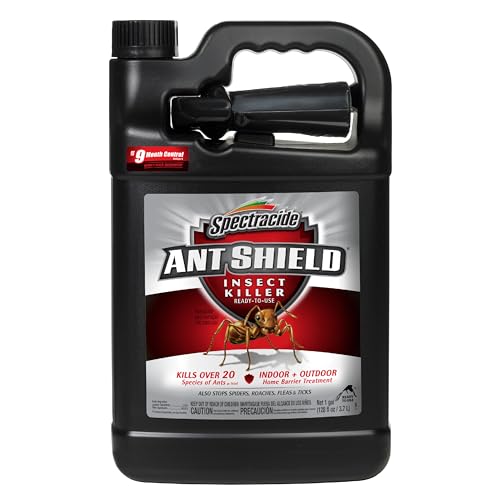
Spectracide Ant Shield Home Barrier 1 Gallon
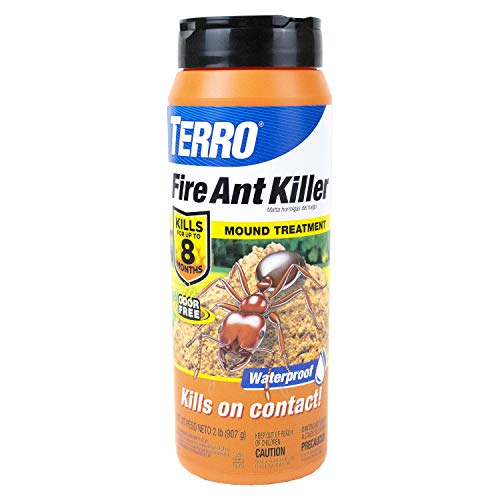
Terro T702 Fire Ant Killer Granules
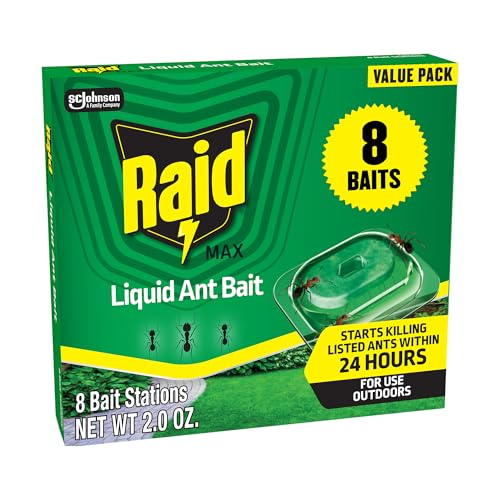
Raid Outdoor Liquid Ant Bait 8 Stations

Terro T1812 Outdoor Liquid Ant Bait Stakes 24 ct

Combat Max 2in1 Ant Bait Station 4 ct
Taking A Closer Look At The Options
Fire ant colonies rebuild fast in warm southern soil, and this 1.5-pound bait from Spectracide aims at the colony rather than the visible mound. Scatter the granules around active mounds and foraging trails, and worker ants carry the bait back to the queen, which is how the population collapses instead of just relocating a few feet over.
Compared with a liquid spray like Spectracide Ant Shield covered later, this dry bait is simpler when you are treating a large lawn or several visible mounds at once. The control window runs up to three months per application, so you are not reapplying every weekend during peak ant season.
Positive Points
- Targets the colony and the queen, not just foraging ants on the surface.
- Up to three months of residual control per treatment, which lowers how often you reapply.
- 1.5-pound size covers a meaningful section of yard without running out mid-treatment.
- Dry granular format is straightforward to broadcast across uneven lawn terrain.
Trade Offs
- Granules need dry weather for a window after spreading so the bait stays attractive to workers.
- Treats fire ants specifically, so other crawling pests in the same lawn will need a separate product.
Who It Suits Best
Homeowners in fire ant country who want a one-step bait that knocks back visible mounds and the colonies underneath them.
Look Elsewhere When
If you are managing several crawling pests at once, the Maxforce Complete Granular Bait reviewed next covers a broader pest list from the same dry-granule approach.
Maxforce Complete takes a wider net than most yard baits, because the same granule that attracts ants also pulls in silverfish and roaches that share the same outdoor harborage areas. The food-based matrix mixes proteins, simple sugars, fats, and complex carbohydrates, which keeps both sweet-feeding and grease-feeding pests interested.
The 8-ounce canister is smaller than the Spectracide One Shot above, but that scale fits a garage, shed, or patio border where you are chasing multiple pests rather than fire ant mounds. Active ingredient is hydramethylnon, a slow-acting compound that gives workers time to share the bait with the colony.
Everyday Advantages
- Targets ants, silverfish, and roaches from one container, which simplifies outdoor pest routines.
- Food-grade granule matrix appeals to both sugar-loving and protein-loving pests.
- Compact 8-ounce size stores neatly on a garage shelf between treatments.
Worth Noting
- Smaller volume than dedicated fire ant baits, so a large lawn may need several applications.
- Granules must stay dry after application for the food attractant to remain effective.
Feature Snapshot
Made For
Shops, garages, and patio edges where ants and other crawling pests overlap and you want one product to cover both.
Where Another Pick Suits Better
For a yard dominated by fire ant mounds, the Spectracide One Shot Fire Ant Killer handles that specific problem with more residual coverage per pound.
Neudorff’s ant bait is built around organic gardening, which puts it in a different lane than the synthetic baits earlier in this list. The granules draw ants out of hiding places and into the open, where they pick up the active ingredient and return it to the nest.
The 1-pound bag treats a home perimeter effectively for up to a month, which suits raised beds, herb gardens, and play areas where the family spends time on the grass. The species list covers foraging ants, sweet-feeding ants, pavement ants, moisture ants, little black ants, Argentine ants, crazy ants, acrobat ants, bigheaded ants, and cornfield ants, so most common U.S. yard species fall inside that range.
Strengths Worth Knowing
- Organic gardening friendly formula for vegetable beds and kid play zones.
- Treats a broad list of common yard ant species in a single product.
- Encourages ants to leave hiding spots, which speeds up how fast the colony picks up the bait.
- 1-pound size handles a typical home perimeter in one pass.
Honest Caveats
- Four-week residual window is shorter than the Spectracide One Shot’s three-month claim.
- Not formulated for fire ant mounds specifically, so pairing with a dedicated mound treatment is common in heavy fire ant regions.
Best Suited To
Garden-focused households that want to treat ant trails around vegetable beds and lawn edges without a harsh synthetic active.
Skip It When
You are dealing with visible fire ant mounds, where the Terro T702 mound granules reviewed later target that specific problem more directly.
Switching from baits to a perimeter spray, the Ant Shield Ready-To-Use jug handles the foundation, the patio edge, and the garage door frame in one continuous barrier. The 1-gallon container attaches to a standard hose-end sprayer and lays down a treated band that stops ants before they reach the back door.
Where the granular baits earlier rely on ants carrying poison home, this approach blocks the entry route altogether. The label covers more than twenty listed ant species, which covers the typical mix of pavement, carpenter, and house ants that show up on U.S. foundations.
Noteworthy Benefits
- Pre-mixed ready-to-use format skips measuring and dilution steps.
- 1-gallon volume covers a full home perimeter in one fill, depending on foundation length.
- Lists over twenty ant species on the label, which handles most foundation pest scenarios.
- Hose-end application speeds up treatment of long driveways and patio borders.
Points To Note
- Surface spray does not reach underground colonies, so persistent populations need a bait paired with the barrier.
- 1-gallon ready-to-use jugs are heavier to carry than concentrated refills.
Quick Facts
Who Will Love This
Homeowners chasing ant trails along the foundation and wanting a one-pass perimeter spray instead of bait stations.
Consider Something Else When
For a smaller yard or a tighter budget, the Combat Max 2in1 stations reviewed at the end of this list offer a more focused approach at the entry points you actually see ants using.
Terro T702 is built around the visible mound rather than the broader lawn, so it is the right tool when one or two fire ant hills show up in the middle of a play area. The shaker canister opens and you either scatter granules directly over the mound or spread them in a wider band, depending on how aggressive you want the application to be.
Waterproof formulation means rainfall and sprinkler cycles do not wash the active ingredient off the granules right away, which matters in a southern yard where afternoon storms are routine. No watering-in step is required, so the granules start working as soon as the ants encounter them.
What Pays Off
- Waterproof granules hold up to rain and irrigation after spreading.
- Shaker canister simplifies scatter and mound-top applications.
- No watering-in step required after application.
- Right-sized for spot-treating individual fire ant mounds instead of full-lawn broadcast.
Small Caveats
- Single-mound focus is less efficient for lawns with a dozen visible hills at once.
- Does not double as a perimeter barrier, so foundation ants need a separate spray or station.
Spec Overview
Perfect Match For
Suburban lawns where a few fire ant mounds keep showing up near the swing set and you want to treat each mound without spraying the whole yard.
Reach For A Different Pick When
When fire ants are spread across a wider lawn, the Spectracide One Shot granules cover more mounds from a single broadcast treatment.
Pre-filled stake stations are the lowest-effort option on this list, because there is nothing to measure, pour, or mix. You push each 2-fluid-ounce stake into the ground along an ant trail or near a known entry point, and the slow-acting liquid starts moving through the colony within 24 hours.
Each pack ships with eight stations, which is enough to surround a single patio or a small perimeter without leaving gaps. Where the Terro T1812 reviewed next covers a wider yard, this eight-pack is the right size for tighter spaces where ant activity is concentrated in one or two zones.
Useful Touches
- Pre-filled design eliminates measuring and refill chores.
- Eight stations per pack spread along a typical patio without leaving gaps.
- Liquid bait reaches the queen, larvae, and worker ants inside the colony.
- Stake format keeps the bait off the soil where pets and kids are less likely to contact it.
Room For Improvement
- Excludes carpenter, harvester, pharaoh, and fire ants from the listed coverage.
- Plastic stakes can be knocked over by lawn equipment and need to be reset occasionally.
Right Fit
Patios, garage aprons, and side yards where common sweet-eating ants trail toward a doorway and you want to set stations once and walk away.
Swap It Out When
For a larger yard that needs broader coverage, the Terro T1812 stake three-pack reviewed next gives you twenty-four stakes for the same per-station effort.
This three-pack of Terro T1812 stakes brings 24 bait stations to a property, which is enough to ring a full home perimeter or split stations between the front and back yards. The slow-kill liquid gives workers time to bring bait back to the colony, where it spreads through the queen and the rest of the nest.
Each stake is small at 0.25 ounces, so the pack stays compact and easy to store between seasonal treatments. Compared with the Raid eight-pack above, this format gives you three times the stations, which is the difference between treating one patio and treating a full suburban lot.
Benefits That Matter
- 24 stakes in one purchase, which is enough to cover a full home perimeter.
- Slow-acting liquid bait reaches the queen and worker ants inside the nest.
- Targets outdoor ants before they enter the home, which cuts down on indoor invasions.
- Compact 0.25-ounce stakes store in a small box between treatments.
A Few Limitations
- Stakes are small and easy to lose in tall grass or leaf cover.
- Requires re-staking after heavy rain so stations do not tip over.
Feature Card
Built With In Mind
Homeowners who want to ring the whole house with bait stations rather than chase individual ant trails one at a time.
A Better Fit Elsewhere
For a tight patio with one obvious trail, the eight-pack of Raid stakes is simpler to deploy and easier on storage space.
Combat Max closes the list with a dual-formula station that pairs sugar and protein attractants in the same clear housing. The transparent shell lets you see when the bait runs low, so you know exactly when to swap a station out without guessing.
The 2in1 format handles indoor and outdoor placement, so the same pack moves between the kitchen window sill and the back patio without buying a second product. Eleven ant species fall inside the labeled coverage, and the dual attractant format catches both sweet-feeding and grease-feeding species in one station.
Real Benefits
- Dual sugar and protein formula attracts a wider range of ant species per station.
- Transparent housing shows bait levels, so replacement timing is obvious.
- Indoor and outdoor label use keeps the same pack flexible through the season.
- Compact four-count size is right for a small patio or a couple of problem entry points.
Possible Compromises
- Four-count pack is small for full-yard coverage, so larger lots need multiple packs.
- Clear plastic shell can discolor over a season in direct sun, depending on placement.
Whose Shelf It Belongs On
Households bouncing between indoor sightings and outdoor trails who want one station type that handles both settings.
Not Your Match When
For a sprawling yard where you need to place a dozen or more stations, the Terro T1812 stake three-pack reviewed earlier scales up more economically.
What To Weigh Before Choosing An Outdoor Ant Poison
Choosing an outdoor ant poison starts with the kind of ant you are actually fighting, because fire ants, pavement ants, and sugar ants respond to different active ingredients. Baits that ants carry back to the colony take longer to work than contact sprays, but they reach the queen, which is the only way to stop the population from rebuilding.
Think about the yard surface and the weather, since granular baits need a dry window and liquid sprays wash off in heavy rain. Waterproof formulations like the Terro T702 mound treatment hold up better in southern storms, while organic gardening friendly options such as Neudorff’s granules fit vegetable beds and play areas where a harsher synthetic active is a concern.
Format And Coverage
Granular baits spread quickly across wide lawns but treat a smaller list of pests per product. Liquid perimeter sprays cover long foundations in a single pass but only stop ants that cross the treated band. Stake stations sit on the surface, which makes them easy to monitor but limits how many ants each one reaches.
Active Ingredient And Speed
Slow-acting compounds such as hydramethylnon give workers time to share the bait with the colony before dying, which is how the queen and larvae get exposed. Faster contact sprays knock down ants on the surface but leave the colony intact, so they work better as a barrier than as a standalone solution.
Location And Safety
Perimeter sprays need to stay away from ponds and storm drains, while bait stations are easier to place near play equipment. Organic gardening friendly formulas open up vegetable beds and herb gardens without the same concern about residue on edible crops.
Practical Pointers Across These Picks
Where Shoppers Go Wrong
A common slip is treating only the visible ants instead of the colony, which is why surface sprays alone rarely solve a persistent yard problem. Another trap is picking a fire ant specific bait when the real issue is pavement ants trailing toward the foundation, since the species mismatch means the bait sits untouched.
When Paying More Pays Off
Higher tier options in this category often spend the extra budget on weather resistance, broader species coverage, or larger package sizes that reduce reapplication trips. If your yard sees heavy rain or sprinkler cycles, waterproof granules and longer residual windows are worth the upgrade, while a small patio with one trail rarely needs the largest pack on the shelf.
Frequently Asked Questions
How long does it take for outdoor ant poison to work?
Granular baits typically take several days to two weeks to clear a colony because workers need time to carry the bait back to the queen. Liquid sprays and stake stations act faster on contact, but the colony rebuilds unless the queen is also reached through bait sharing.
Can outdoor ant poisons be used around pets and kids?
Most outdoor ant products should be applied where pets and children cannot access the bait directly, especially right after spreading. Stake stations sit above the soil and limit contact, while organic gardening friendly options like Neudorff reduce residue concerns in play areas.
Do I need a different product for fire ants versus regular ants?
Yes, fire ant mounds respond best to mound-specific granules or colony-targeted baits, while general lawn ants usually respond to perimeter sprays or trail bait stations. Identifying the species first helps avoid wasted product on the wrong active ingredient.
Is granular bait better than liquid spray for a lawn?
Granular bait is more efficient when ants are spread across the lawn and foraging in trails, because the bait reaches the underground colony. Liquid spray is more efficient along foundations and entry points where ants cross a defined line.
How often should outdoor ant poison be reapplied?
Most granular baits need reapplication every four to twelve weeks, depending on the residual claim and the weather. Liquid perimeter sprays usually hold for a few weeks, and stake stations are refilled or replaced once the bait runs dry.
Closing Thoughts
The right outdoor ant poison comes down to matching the pest, the yard surface, and the time you want to spend on upkeep. Match the active ingredient to the species, the format to the weather, and the package size to the size of your lot, and the rest of the season stays manageable. Start with one focused treatment, then layer a barrier or a refill pack if activity keeps showing up.
