

A narrow windowsill can feel like a missed opportunity when your plant collection keeps growing, and most built-in ledges only hold one or two small pots before space runs out. Window sill extenders for plants turn that thin strip of glass-adjacent real estate into a usable growing surface, so light-loving herbs, succulents, and microgreens actually have a place to sit. Renters, apartment dwellers, and anyone who wants more greenery without sacrificing desk or counter space tend to get the most out of these shelves. The right extender depends on your sill depth, the weight of your pots, and whether you can drill or only stick.
A Closer Look At The Lineup

Skewo Acrylic Window Plant Shelves with Suction Cups (2-Pack)
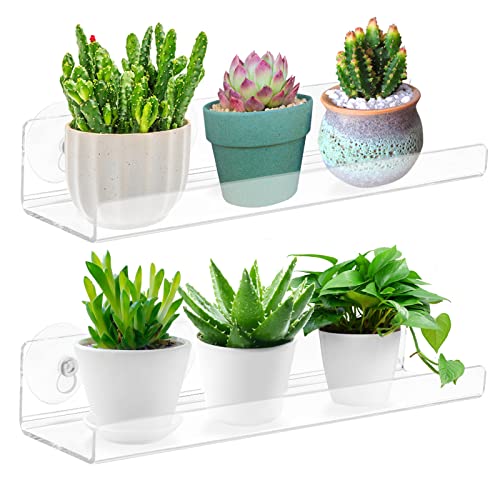
Skewo 12 Inch Acrylic Window Boxes Plant Shelves (2-Pack)
Skewo 15 Inch Acrylic Window Boxes Plant Shelves (2-Pack)
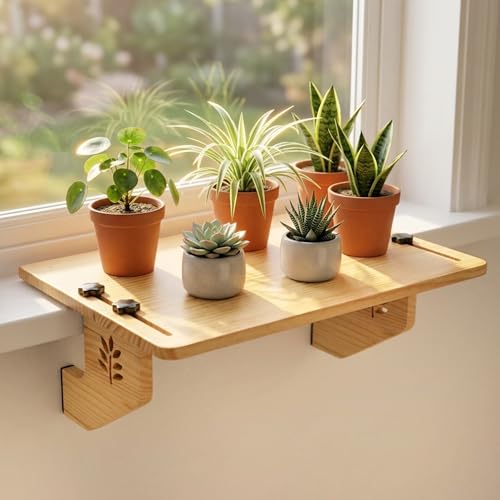
LEMIPENI 17×13 Solid Wood Window Sill Extender

NiHome No-Drill Wood Adjustable Window Sill Extender
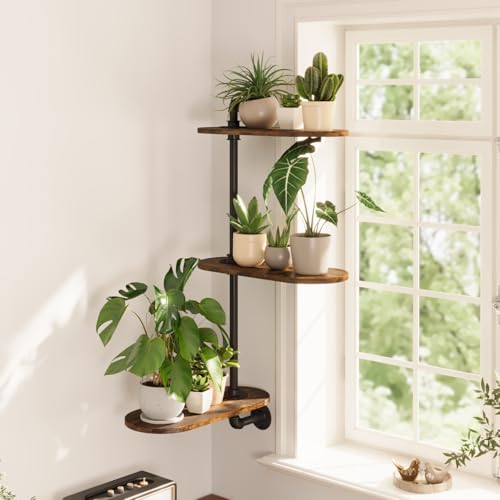
GENTINGBRO 3-Tier Rotating Window Plant Stand

WOCHUANGSI Extendable Small Narrow Windowsill Shelf

WOCHUANGSI Extendable Narrow Tall Storage Shelf (Black)
A semicircular footprint sets the Skewo acrylic shelves apart from the rectangular picks later in this roundup, and that curve makes them a natural fit for round herb pots and small succulents tucked into a corner window. Because the platform is transparent acrylic, light passes through to leaves below rather than blocking lower foliage, which matters in tight indoor setups where every ray counts.
Each shelf measures roughly 5.5 by 7.7 inches and arrives with support brackets that lift the stated load capacity to around 4 to 8 pounds, so a pair of small terracotta pots or several succulents sit comfortably. Compared with the wider Skewo models further down this list, this pair trades surface area for a gentler profile that fits narrow sills without crowding the glass.
What Earns Its Place
- No-drill suction cup install protects painted walls and rental agreements.
- Clear acrylic keeps the look airy on small sills where a wood shelf would feel heavy.
- Curved shape cradles round pots so they do not slide off-center.
- Comes with backup suction cups for replacements down the line.
Points To Note
- Smaller footprint means only one or two standard pots per shelf.
- Suction grip tends to weaken on textured or cold glass, which renters with older windows may notice.
Who Should Grab It
Apartment renters and beginners starting a small herb garden on a sunny kitchen window.
A Better Fit Elsewhere
Heavy ceramic gardeners should consider the LEMIPENI 17×13 Solid Wood Extender for its stronger load rating.
Twelve inches of clear acrylic gives this Skewo pair more planting room than the semicircular set above, while the slim 3-inch depth keeps the shelf from blocking the window. Indoor herb gardeners who want a tidy row of basil, parsley, and chive pots tend to gravitate toward this length because it lines up with standard windows.
Each shelf ships with three suction cups plus two spares, so a single cracked cup does not mean a trip back to the retailer. The clean, see-through material blends into modern interiors better than a dark wood alternative, and you can stagger or line them up depending on your sill width.
Where It Excels
- Twelve-inch run holds three to four small pots in a tidy row.
- Transparent body lets sunlight reach leaves on lower tiers.
- Stagger or stack the pair for a layered display.
- Lightweight build avoids stressing window frames.
Trade-Offs To Consider
- Lightweight acrylic flexes a little under medium-weight pots.
- Suction cups require occasional re-wiping to keep grip on kitchen steam.
Feature Snapshot
Made For
Cooks and renters growing a small kitchen herb line on a sunny single window.
Look Elsewhere When
Collectors stacking many tall plants should reach for the GENTINGBRO 3-Tier Rotating Stand instead.
Three extra inches over the 12-inch Skewo pair turns this 15-inch version into a practical surface for seed starter trays and longer herb planters. Anyone running a microgreens operation on a deep sill will appreciate the extra width, because a single 15-inch shelf can host a row of starter pots or a single long planter without slicing it into awkward segments.
The acrylic body keeps the shelf light enough for suction-cup mounting, though you may want to press the cups firmly on first install and re-check after a day. Compared with the wood extenders further down this list, this set stays nearly invisible against the glass and works well in modern interiors.
Points In Its Favor
- Longer 15-inch run handles starter trays and elongated planters.
- Same transparent look that lets light filter through.
- Two shelves in the pack let you build a layered window garden.
Honest Caveats
- Longer span means more flex in the middle under heavier soil mixes.
- Suction cups may need replacement every few months in humid bathrooms.
Right Fit For
Seed starters and microgreens growers working a wide kitchen or office window.
Reach For A Different Pick When
Anyone needing serious load capacity should look at the NiHome No-Drill Wood Adjustable Extender instead.
Solid pine moves this pick out of the lightweight suction-cup category and into heavy-duty territory, with a stated 30-pound load capacity that easily takes a few ceramic pots. The 17 by 13 inch platform is generous, so you can group a tall pothos, a medium herb pot, and a small succulent tray without crowding.
A dual-mounting system is what makes this shelf genuinely renter-friendly: hook and loop fastener (commonly known as Velcro) lets you set it up without leaving residue, while screws give permanent homeowners a sturdier option. That flexibility is rare in this category, and it pushes the LEMIPENI ahead of the acrylic Skewo sets for anyone who wants a wood look without committing to drilling.
Where It Helps
- 30-pound capacity supports large ceramic and terracotta pots.
- Solid one-piece pine avoids the wobble of split double boards.
- Mounting choice between hook-and-loop fastener or screws.
- Natural pine finish warms up minimalist and farmhouse interiors.
Potential Drawbacks
- Untreated pine will darken or spot if water sits on the surface, so a saucer under each pot matters.
- Wood is heavier than acrylic, which may rule out suction-only setups on flimsy sills.
Spec Overview
Best Suited To
Plant owners with several heavy pots who want a wood look without drilling into a rental wall.
Skip It When
Anyone wanting a barely-there transparent profile should stay with the Skewo Acrylic Window Plant Shelves instead.
At roughly 21.2 by 11.8 inches, the NiHome extender is the widest single-tier wood shelf in this lineup, and that extra surface turns a narrow sill into a proper display area for grouped pots. The no-drill install keeps renters happy, while the adjustable width lets you tune the fit to unusual window trim or molding.
Compared with the LEMIPENI solid pine shelf reviewed above, this one trades a slightly higher load rating for more planting room, which suits anyone running a mixed display of small and medium pots. The wood tone and simple bracket design read as furniture rather than hardware.
Real-World Strengths
- Wide 21-inch platform fits grouped herb and succulent displays.
- No-drill bracket system protects rental walls.
- Adjustable width adapts to non-standard sill depths.
Things To Weigh
- Bracket install is less forgiving on uneven or sloped sills.
- Wood tone may not match darker interior trim.
Quick Facts
Whose Shelf It Belongs On
Homeowners and renters curating a mixed pot display on a wide, sunny sill.
Swap It Out When
Collectors with many plants should consider the GENTINGBRO 3-Tier Rotating Stand for vertical space.
The GENTINGBRO rotates the whole concept sideways: instead of one wide sill extender, you get three vertical tiers that turn a single bright window into a small greenhouse. Anyone whose plant count has outgrown a flat shelf tends to land here, because the stacked design triples the planting footprint without claiming more sill length.
The industrial wood-and-metal look reads as furniture rather than window hardware, which works in lofts, studios, and modern apartments. Pre-drilled holes make setup straightforward, though a power drill is still part of the process. For plant owners juggling many small to medium pots, the tiered rotation is genuinely useful for equalizing light across all your greenery.
The Helpful Details
- Three tiers multiply the planting footprint without using more sill.
- Rotating base balances light exposure across all plants.
- Industrial wood look doubles as decor in modern spaces.
- Pre-drilled parts speed up the assembly process.
Less Ideal Details
- Assembly requires drilling and more time than suction-cup shelves.
- Rotation needs occasional loosening checks for wobble over time.
Perfect Match For
Collectors running a dozen or more plants who want vertical space more than sill width.
Consider Something Else When
Renters who cannot drill should stay with the LEMIPENI 17×13 Solid Pine Extender.
Originally marketed as a spice rack, this WOCHUANGSI shelf adapts beautifully to small windowsills because the length telescopes from 13.8 to 23.6 inches. Anyone with an oddly sized window, neither standard 12 nor 24 inches, can dial in a closer fit than fixed-length shelves ever allow.
The slim 3.5-inch depth keeps the shelf from protruding into the room, which matters in galley kitchens and tight hallways. It is a flexible pick that suits herbs, small succulents, and spice jars equally well, though pot weight should stay modest given the lightweight build.
Reasons It Performs
- Telescoping length adapts to non-standard sill widths.
- Narrow 3.5-inch depth fits tight galley kitchens.
- Stackable design lets you build a tiered spice or herb rack.
Soft Spots
- Lightweight build is best for small, dry pots rather than heavy soil mixes.
- Adjustable joints may loosen over time without an occasional tightening.
Feature Card
Who Will Love This
Kitchen cooks and windowsill gardeners with custom-width openings and a need for spice storage.
Not Your Match When
Heavy pot collectors should look at the LEMIPENI 17×13 Solid Wood Extender for its higher load rating.
Where the previous WOCHUANGSI shelf stays low, this tall black version climbs to 7.48 inches, opening up room for taller bottles and leggier plants. The matte black finish reads as a deliberate design choice rather than utility hardware, which suits darker kitchens and modern interiors.
Like its sibling, the length telescopes from roughly 13.8 to 23.6 inches, so you can fine-tune the fit to a specific sill. The taller backstop is the real selling point here, because shorter shelves let small pots slide back and forth during watering.
Standout Benefits
- Extra height keeps small pots from sliding during watering.
- Matte black finish adds a clean modern touch.
- Telescoping length fits unusual window widths.
- Stackable form pairs with the shorter WOCHUANGSI shelf.
Factors To Consider
- Taller profile blocks slightly more light at the sill level.
- Black finish shows water spots more than lighter wood tones.
The Right Fit
Design-minded cooks who want a small ledge that doubles as modern kitchen decor.
Where Another Pick Suits Better
Light-blocking worriers should consider the transparent Skewo 15 Inch Acrylic Window Boxes for minimal sun loss.
Picking The Right Sill Extender for Your Plants
Match the shelf to your sill before you fall for any one design. Measure the width and depth of the ledge first, then add at least two to three inches of overhang for stability. A 12-inch shelf on a 10-inch sill is a recipe for tipping pots the first time you water them.
Next, weigh your pots honestly. Lightweight herbs, microgreens, and small succulents sit happily on suction-cup acrylic shelves, but heavy ceramic planters need a wood shelf with screws or hook-and-loop fastener rated for the load. If you have many medium-sized pots in one spot, a wood extender with a 20-inch-plus platform, like the NiHome Wood Adjustable, makes watering day far less stressful. Beginners often overestimate how much weight their shelf can hold; loading four wet terracotta pots onto a suction-cup acrylic model is the most common early mistake.
Think about light, too. Transparent acrylic keeps light flowing through to plants behind the shelf, while a dark wood or black finish will cast more shade. South-facing windows tolerate solid shelves easily, but north-facing sills benefit from clear acrylic. Finally, factor in your living situation. Renters should default to no-drill or hook-and-loop fastener options, while homeowners can commit to screws for a sturdier, permanent install.
Key Considerations Across These Picks
Pitfalls Shoppers Hit
The most common mistake is choosing a shelf wider than the actual sill, which leaves the ends cantilevered and unstable under pots. Another slip is trusting suction cups on cold or textured glass, where they tend to pop loose within days. For wood shelves, skipping coasters under wet pots is the fastest way to stain or warp untreated pine.
Where The Extra Money Goes
Spending up usually buys heavier materials, wider platforms, and load ratings that handle multiple ceramic pots at once. Premium wood shelves also tend to ship as one-piece boards, which removes the wobble and squeak common in two-piece designs. The honest read is that for a single window with one or two small pots, a budget acrylic shelf does the job well, but anyone with a real plant collection benefits from a sturdier build that does not flex when watering.
Frequently Asked Questions
Do suction-cup window shelves actually hold?
They hold reliably on smooth, clean glass at room temperature, and several of the Skewo acrylic shelves in this roundup use multiple cups plus spares for that reason. On cold or textured panes, the grip tends to weaken, so renters with older windows may want to look at hook-and-loop fastener options instead.
How much weight can a window sill extender hold?
Lightweight suction-cup acrylic shelves typically handle a few pounds per tier, while solid wood models like the LEMIPENI can hold around 30 pounds. Always check the stated rating and stay well under it, especially when soil is wet.
Will a window shelf damage the sill or frame?
Most no-drill options leave no residue behind when properly removed, and acrylic shelves carry no risk to the sill surface. Even screw-mounted wood shelves can be patched later, so renters who need to drill have a path back to their security deposit.
Can these shelves work on narrow kitchen or bathroom windows?
Yes, slim extenders like the WOCHUANGSI narrow shelves were designed for narrow sills and stack for extra capacity. Just confirm the depth first so the shelf does not protrude into the room and block the curtain or blinds.
How do you clean and maintain these shelves?
Acrylic shelves wipe clean with a soft cloth and mild soap, while untreated wood benefits from an occasional light sanding and a food-safe oil rub. Suction cups appreciate a quick wipe-down with rubbing alcohol every few months to keep the grip honest.
The Takeaway
A window sill extender is one of the smallest upgrades that pays back daily, because it turns dead space into usable growing room without claiming floor or counter area. The honest read is that the best pick comes down to your pot weight, your sill width, and whether you can drill. Pick the platform that matches your real situation, and your window becomes the brightest shelf in the home.
