

Crabgrass thrives in thin, sunny lawns and shows up just as the weather warms, which makes timing your pre-emergent application a real juggling act. For homeowners tired of watching crabgrass hijack their turf each summer, a liquid pre-emergent gives a faster, more uniform coverage than granular options when sprayed correctly. Picking the right formula means weighing grass type, application window, and whether you also need post-emergent rescue built in.
The Picks In Brief

Spectracide Weed Stop For Lawns Plus Crabgrass Killer

Quali-Pro Prodiamine 65 WDG 5lbs Pre-Emergent

Roundup for Lawns2 Concentrate, 32 fl. oz.
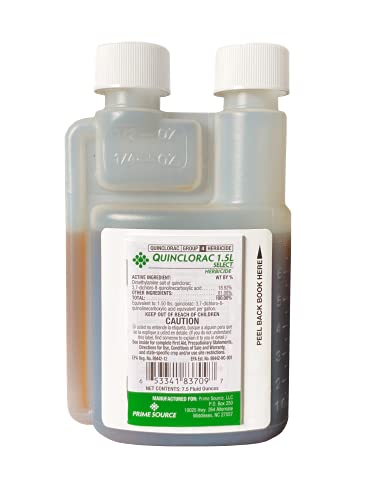
Primesource Quinclorac 1.5 Select Crabgrass Killer

Roundup for Lawns Crabgrass Destroyer2, 64 fl. oz.

Liquid Harvest Mesotrione Bundle 8 oz with Surfactant
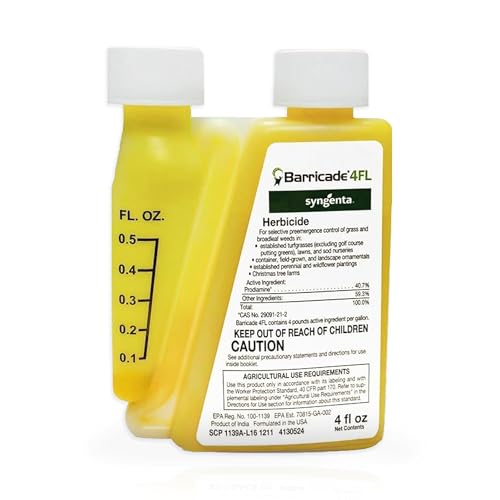
Syngenta Barricade 4FL Herbicide Concentrate, 4 fl oz

Liquid Harvest Mesotrione 16 oz Turf Herbicide
Why These Options Stand Out
Crabgrass tends to invade thin, sunny patches first, and homeowners new to herbicide rotation often want a single bottle that handles both prevention and cleanup. Spectracide Weed Stop For Lawns Plus Crabgrass Killer fits that brief as a concentrate you dilute and spray through a standard pump or hose-end sprayer.
For most suburban lawns under 5,000 square feet, the 32-ounce bottle is a manageable starting volume without committing to a professional-grade jug. Compared with the Syngenta Barricade pick later in the lineup, this one trades some residual longevity for a more approachable mixing routine.
Well-Handled Touches
- Concentrate format dilutes down for flexible coverage on small or mid-sized lawns
- Targets both crabgrass and listed broadleaf weeds, reducing the need for a second product
- Hose-end and tank-sprayer compatible, so you can use whatever you already own
- Accessible entry point for homeowners trying a pre-emergent routine for the first time
Things To Consider
- Mixing ratios vary by sprayer, so reading the label closely prevents under- or over-application
- Coverage on larger properties may require multiple bottles, which can add up
Who Should Grab It
Homeowners with smaller lawns who want one bottle that covers crabgrass and broadleaf weeds without a steep learning curve.
A Better Fit Elsewhere
For larger properties needing season-long coverage from a single jug, the Quali-Pro Prodiamine 65 WDG will suit you better.
Big yards with recurring crabgrass pressure call for a prodiamine-based product, and Quali-Pro Prodiamine 65 WDG delivers that active ingredient in a water-dispersible granule you mix into a liquid spray. Prodiamine forms a barrier in the soil that interrupts crabgrass seed germination, and it is widely used on golf courses and commercial turf.
The 5-pound container suits properties north of 10,000 square feet, where a small concentrate bottle would run out mid-job. Compared with the Spectracide concentrate covered earlier, this one asks for more careful measuring but rewards you with a longer residual window per application.
Strong Points
- Prodiamine active ingredient is the same chemistry used in many professional applications
- Flexible timing for spring and fall applications, extending your crabgrass prevention window
- 5-pound volume handles large lawns or multiple treatments from a single purchase
- Broadleaf weed suppression included, reducing the need for a separate weed pass
Worth Noting
- WDG format requires thorough mixing and agitation to avoid nozzle clogging
- Over-application can stress sensitive turfgrasses, so a calibrated sprayer helps
- Storage in a dry area matters since granules clump if exposed to moisture
Best Suited To
Homeowners managing large lawns who want a professional-grade prodiamine at a more approachable volume than commercial jugs.
Consider Something Else When
For a smaller lawn where you would rather skip the measuring step, the Spectracide Weed Stop concentrate is a more user-friendly pick.
Northern grasses like Kentucky bluegrass and perennial rye tend to host a wider mix of weeds than crabgrass alone, so a broad-spectrum formula helps. Roundup for Lawns2 Concentrate is formulated for cool-season turf and targets crabgrass alongside dandelion, clover, and several other listed weeds.
The 32-fluid-ounce bottle dilutes into a sprayable mix that covers a typical residential lawn when used as directed. Compared with the post-emergent Primesource Quinclorac covered next, this one leans toward preventive plus early curative action in a single routine.
Where It Delivers
- Targets a wide list of weeds beyond crabgrass for one-pass convenience
- Designed specifically for northern cool-season grass types, reducing turf injury risk
- Concentrate format keeps shelf cost lower per application than ready-to-spray
- Visible results on listed weeds, giving feedback that your application is working
Trade Offs
- Restricted to certain grass types, so warm-season lawns need a different formula
- Application timing matters: spraying at the wrong growth stage reduces effectiveness
Quick Facts
Perfect Match For
Homeowners in northern climates with cool-season turf who want one bottle covering crabgrass and broadleaf weeds.
Swap It Out When
For warm-season lawns like Bermuda or St. Augustine, the Liquid Harvest Mesotrione picks are a safer turf-compatible alternative.
By midsummer, crabgrass often slips past your pre-emergent window and shows up anyway. Primesource Quinclorac 1.5L Select is a post-emergent herbicide that treats crabgrass you can already see, working through the leaves and into the root system.
The 7.5-ounce bottle is a small-format rescue treatment rather than a preventive jug, which makes it a complementary pick rather than a replacement for a spring pre-emergent. Compared with the Roundup Crabgrass Destroyer covered next, this one leans on a different active ingredient for cases where quinclorac suits the lawn type.
A Few Strong Suits
- Quinclorac 18.92% formulation delivers targeted post-emergent crabgrass control
- Selective chemistry reduces collateral damage on listed turfgrasses
- Small bottle size fits spot treatments without committing to a full-lawn jug
- Can be applied close to seeding windows on certain turf types, per the label
Honest Caveats
- Works on visible crabgrass, so it is not a substitute for a true pre-emergent barrier
- Surfactant or methylated seed oil is commonly recommended to maximize leaf uptake
- Effectiveness drops on mature, seed-head-stage crabgrass, so timing still matters
Right Fit For
Homeowners with visible crabgrass escapes who want a selective post-emergent treatment to clean up specific patches.
Look Elsewhere When
For pure prevention before crabgrass germinates, the Quali-Pro Prodiamine 65 WDG delivers a longer-lasting soil barrier.
Renovating a lawn often means seeding or overseeding, which rules out most crabgrass preventers that linger in the soil. Roundup for Lawns Crabgrass Destroyer2 is built to handle grassy weeds like crabgrass, foxtail, and goosegrass while staying flexible around seeding timelines.
The 64-fluid-ounce bottle covers larger lawns and gives you room for follow-up spot treatments. Compared with the Primesource Quinclorac pick, this one carries a broader grassy-weed label and a larger jug suited to multi-zone treatment.
The Case For It
- Targets multiple grassy weeds beyond crabgrass, including listed foxtail and goosegrass
- Label allows application close to seeding, which helps during renovation projects
- 64 fl. oz. volume supports full-lawn coverage plus spot retreatment
- Concentrate format keeps cost per application lower than ready-to-spray alternatives
A Few Limitations
- Restricted grass list means warm-season lawns may not be compatible
- A waiting period still applies after seeding for some turf types
- Storage of a half-full jug requires a cool, dry spot away from pets and children
Whose Shelf It Belongs On
Homeowners overseeding or patching cool-season turf who need grassy-weed control that fits within their renovation window.
Reach For A Different Pick When
For pure early-season prevention on established turf, the Syngenta Barricade 4FL gives a longer residual barrier.
Mesotrione is the same active ingredient found in the well-known Tenacity herbicide, and the Liquid Harvest bundle delivers it as a liquid concentrate with an included surfactant. That combination supports both pre-emergent and post-emergent use, which is unusual in a single bottle.
The bundle includes an 8-ounce surfactant alongside the mesotrione concentrate, helping the spray stick to leaf surfaces for better uptake. Compared with the Spectracide concentrate covered earlier, this one trades a simpler label for a wider functional range across cool-season turf types.
Why It Works Well
- Functions as both pre-emergent and post-emergent, reducing the need for separate products
- Targets a wide list of broadleaf weeds and crabgrass in one application window
- Compatible with several cool-season turfgrasses when applied as directed
- Bundle includes surfactant, simplifying the mixing step for new applicators
Small Caveats
- Full weed death can take 2 to 3 weeks, so patience matters after spraying
- Requires activation by rainfall or irrigation within about 10 days for soil activity
- Restricted to certain turf types, so check the label before applying
Feature Snapshot
Built With In Mind
Cool-season lawn owners who want a single bottle covering both pre-emergent prevention and post-emergent cleanup of listed weeds.
Where Another Pick Suits Better
For shoppers who would rather skip the surfactant step entirely, the Quali-Pro Prodiamine 65 WDG is a straightforward preventive pick.
Syngenta’s Barricade is one of the most recognized prodiamine-based pre-emergents on the market, and the 4FL liquid concentrate makes it easier to mix than a granular WDG. Prodiamine is the active ingredient, which means you get the same long residual window in a more sprayer-friendly format.
The 4-fluid-ounce bottle is small but concentrates go a long way when diluted, suiting mid-sized lawns and ornamental beds. Compared with the Quali-Pro WDG earlier in the lineup, this one skips the granule-dissolving step in favor of an easier-mixing liquid.
Useful Touches
- Liquid concentrate format mixes into solution faster than granular WDG alternatives
- Prodiamine active ingredient delivers a long residual barrier against crabgrass
- Suitable for lawns, established turfgrass, and listed ornamental plantings
- Single application can cover an entire crabgrass prevention season when timed correctly
Practical Considerations
- Small bottle requires accurate measuring for proper coverage on larger lawns
- Restricted to listed turf and ornamental species, so always check the label
- Pre-emergent barriers can interfere with seeding plans for several months after application
Who It Suits Best
Homeowners who want the trusted Barricade name in an easier-mixing liquid form for mid-sized lawns or ornamental beds.
Not Your Match When
For a product that allows seeding closer to application, the Roundup Crabgrass Destroyer2 is a more renovation-friendly choice.
For properties that need more than an 8-ounce bottle can provide, the 16-ounce Liquid Harvest Mesotrione concentrate steps up to handle bigger lawns or multi-zone programs. Mesotrione provides both pre-emergent and post-emergent activity, which makes the larger volume useful for ongoing rotation.
The 16-ounce size also gives applicators more flexibility to mix smaller batches for spot treatment on visible escapes. Compared with the 8-ounce bundle covered earlier, this version skips the included surfactant, so you may need to source your own depending on your spray setup.
Practical Advantages
- 16-ounce volume suits multi-acre properties or seasonal rotation planning
- Mesotrione active supports both pre- and post-emergent activity in one product
- Targets crabgrass and a long list of broadleaf weeds as listed on the label
- Liquid concentrate format dilutes cleanly for sprayer calibration
Details To Watch
- Surfactant is not bundled here, so plan to source one separately for best uptake
- Full weed decline still takes 2 to 3 weeks, so plan follow-up inspections accordingly
- Limited to compatible turf types, so confirm the grass match before applying
Made For
Homeowners managing larger cool-season properties who need a bigger mesotrione volume for full-lawn coverage.
Skip It When
For a smaller lawn or first-time application, the 8-ounce Liquid Harvest bundle is a more approachable starting point.
What Matters Most Before Choosing Liquid Crabgrass Pre-Emergents
Match The Active Ingredient To Your Grass Type
Cool-season turf like Kentucky bluegrass and fescue handles mesotrione and quinclorac well, while warm-season Bermuda and St. Augustine need different chemistry to avoid injury. Prodiamine works across many turf types but restricts seeding windows for months afterward.
Think About Pre- Versus Post-Emergent Timing
Pre-emergents need to go down before crabgrass seeds germinate, typically when soil temperatures rise consistently in spring. Post-emergents like quinclorac handle visible crabgrass but cannot reverse seed-head maturity, so timing still matters even in rescue mode.
Calculate Coverage And Bottle Size Honestly
A 4- or 8-ounce concentrate may sound small, but dilution ratios stretch coverage far on a residential lawn. Larger properties often save money buying the 5-pound WDG jug rather than refilling small concentrate bottles season after season.
Decide Between Convenience And Flexibility
Ready-to-spray bottles save mixing time but limit coverage options. Concentrates demand measuring and sprayer prep but reward you with adjustable rates for spot treatment, ornamental beds, and full-lawn passes from the same bottle.
Key Considerations Across These Picks
Mistakes Worth Dodging
The most common pre-emergent mistake is spraying too late, after crabgrass seeds have already germinated underground. Once a pre-emergent barrier is down, disturbing the soil with core aeration or dethatching breaks that barrier and reduces effectiveness. Skipping the label check on grass compatibility is another fast way to brown out a lawn that the chemistry was never meant to touch.
Where The Extra Money Goes
Higher-tier picks like mesotrione products and Syngenta Barricade charge more because the active ingredients are costlier to manufacture and the residual windows run longer. You also pay for surfactant bundling, easier-mixing liquid formats, and broader weed-spectrum labels. The upgrade pays off when you want fewer applications per season or a single bottle that handles prevention and cleanup without buying two separate products.
Frequently Asked Questions
When should I apply a liquid crabgrass pre-emergent?
Apply when soil temperatures reach about 55°F for several consecutive days, which usually falls a few weeks before crabgrass germination in your region. Timing varies by zone, so local extension service guidance helps nail down the right window.
Can I seed my lawn after applying a pre-emergent?
Most pre-emergents block grass seed germination alongside crabgrass, so seeding must wait until the barrier breaks down. Prodiamine products can restrict seeding for several months, while mesotrione and post-emergent quinclorac allow closer seeding windows per the label.
Do liquid pre-emergents work better than granular versions?
Liquid sprays spread more evenly across the soil surface when applied correctly, which improves barrier coverage. Granular products are easier for beginners to apply without sprayer calibration but can leave streaking if not watered in thoroughly.
Is a surfactant really necessary?
Surfactants help spray droplets stick to leaf surfaces, which matters most for post-emergent products like quinclorac and mesotrione. For straight pre-emergent soil activity, surfactant is often less critical, but the label will clarify when it helps.
How long does a pre-emergent barrier last?
Most prodiamine products deliver four to six months of soil activity, while mesotrione runs shorter and often needs a follow-up application. Local weather, soil type, and breakdown rate all influence how long your specific barrier holds.
Bottom Line
Your best pick depends on grass species, lawn size, and whether you need prevention, rescue, or both in the same bottle. For most cool-season lawns, the Liquid Harvest Mesotrione bundle delivers rare dual-action flexibility, while the Syngenta Barricade 4FL gives a long-lasting preventive barrier in an easy-mixing liquid. Warm-season turf and renovation projects lean toward the Roundup Crabgrass Destroyer2 or Primesource Quinclorac for their compatible windows around seeding.
